Understanding the Gorilla Trekking Requirements in Uganda is essen
tial for anyone planning to encounter endangered mountain gorillas in their natural habitat. Uganda offers exceptional gorilla trekking experiences in Bwindi Impenetrable National Park and Mgahinga Gorilla National Park, where visitors follow experienced rangers through protected tropical forests in search of habituated gorilla families. However, before participating in this remarkable wildlife adventure, every traveller must understand the permit regulations, minimum age restrictions, fitness considerations, health requirements and conservation rules established by the Uganda Wildlife Authority.
The Gorilla Trekking Requirements in Uganda are designed to protect mountain gorillas while ensuring that visitors enjoy a safe and responsible wildlife experience. Whether you are planning your first gorilla safari, travelling with family members or organising a private luxury adventure, understanding these regulations helps you prepare properly and avoid unnecessary booking complications. At Calm Africa Safaris, we arrange personalised Uganda gorilla trekking tours, including permits, accommodation, private transportation and practical trekking arrangements. Our team can also help you combine your gorilla encounter with other private Uganda safari experiences for a more complete wildlife holiday.
What Are the Gorilla Trekking Requirements in Uganda?
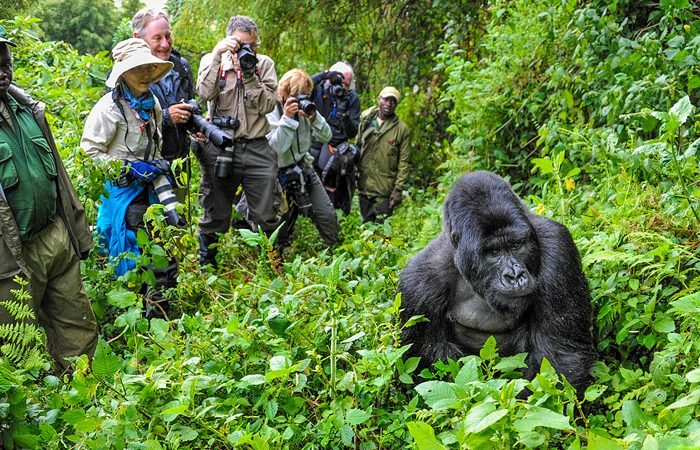
The main Gorilla Trekking Requirements in Uganda include being at least 15 years old, obtaining a valid gorilla trekking permit, carrying appropriate identification, being physically prepared for forest walking and following all park health and safety regulations. Visitors are allowed a maximum of one hour with a gorilla family during standard trekking, and no more than eight tourists may visit a particular gorilla group per day.
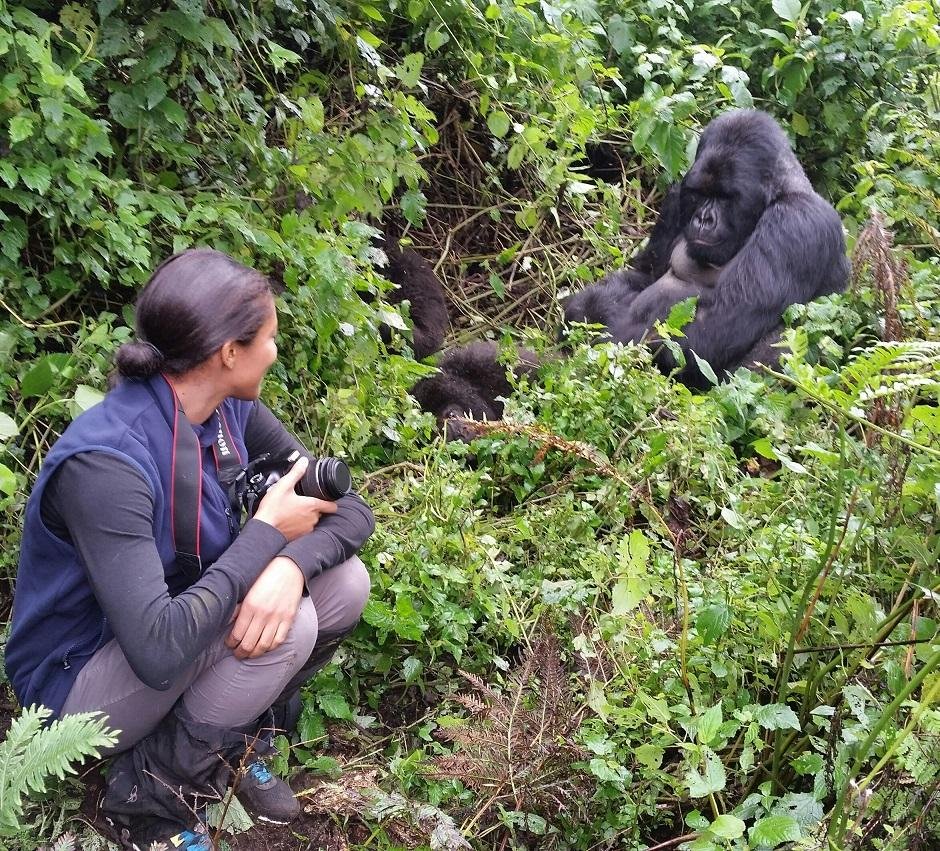
Visitors must also maintain a minimum distance of 10 metres from the gorillas, avoid flash photography, refrain from touching or feeding wildlife and follow ranger instructions throughout the experience.
Although these requirements apply to both Bwindi and Mgahinga, actual trekking conditions vary depending on the forest terrain, prevailing weather and location of the assigned gorilla family.
1. Minimum Age Requirement for Gorilla Trekking in Uganda
One of the most important Gorilla Trekking Requirements in Uganda is the minimum participation age of 15 years. This restriction applies to standard mountain gorilla trekking in Bwindi Impenetrable National Park and Mgahinga Gorilla National Park. Travellers must meet the minimum age requirement before being allowed to participate in the activity.
The age restriction is important because gorilla trekking can involve several hours of walking through dense forests, steep hills and unpredictable mountain weather. Visitors must also understand and follow instructions when encountering wild animals. These measures help protect both the gorillas and the people visiting them.
Families travelling with children younger than 15 can still enjoy Uganda through alternative nature experiences, cultural visits, scenic excursions and wildlife activities that accommodate younger travellers.
When organising family safaris, Calm Africa Safaris can help arrange suitable activities for children while eligible family members participate in their gorilla trekking experience.
2. Uganda Gorilla Trekking Permit Requirements
A valid gorilla trekking permit is mandatory for every eligible visitor. Among the Gorilla Trekking Requirements in Uganda, securing the correct permit is particularly important because the Uganda Wildlife Authority limits the number of tourists permitted to visit habituated gorilla families each day.
Gorilla permits are issued for specific trekking dates and locations. In Bwindi, visitors can trek in Buhoma, Ruhija, Rushaga or Nkuringo, depending on permit availability. Mgahinga Gorilla National Park has its own designated trekking arrangements.
A standard gorilla trekking permit includes the ranger-guided activity and a maximum of one hour observing a gorilla family once it has been located. The permit also covers the applicable park entrance for the trekking day and a community development contribution. It does not normally cover accommodation, private transfers, porter assistance or other safari activities.
The Gorilla Trekking Requirements in Uganda also involve following the official permit payment and reservation procedures. Since 1 March 2026, the previous seven-day unpaid reservation window has been suspended, meaning permits must be fully paid for before they can be secured.
Calm Africa Safaris can help travellers check availability, coordinate permit purchases and organise accommodation near their allocated trekking sector. We recommend confirming permit availability before making non-refundable travel arrangements.
3. Passport and Identification Requirements
Valid identification is another essential part of the Gorilla Trekking Requirements in Uganda. Travellers must provide accurate personal details when reserving permits, including their names and other identification information required by the Uganda Wildlife Authority.
Foreign visitors should travel with a valid passport and ensure that their permit details correspond with their identification. Other visitor categories may need documents confirming nationality or residence status to qualify for the applicable permit category.
At the national park entrance, officials verify permits and supporting documents before allowing visitors to attend the trekking briefing. Travellers should therefore keep their booking confirmation and identification easily accessible.
International tourists must also meet Uganda’s immigration requirements, including having the appropriate visa or entry authorisation where necessary. A gorilla trekking permit does not replace immigration documentation.
4. Physical Fitness Requirements for Gorilla Trekking in Uganda
The physical demands of gorilla trekking are an important consideration when preparing for the Gorilla Trekking Requirements in Uganda. Although visitors do not need to be professional hikers or athletes, they should have reasonable mobility and sufficient fitness for walking through mountainous rainforest terrain.
Gorilla trekking can take approximately two to seven hours, although the actual duration varies considerably. Some gorilla families may be located after a relatively short walk, while others require longer treks through steep hills, thick vegetation and slippery forest trails.
Bwindi is particularly known for its rugged terrain, with some areas involving demanding uphill and downhill sections. Mgahinga also has mountainous landscapes that may require considerable physical effort.
Travellers preparing for their safari can benefit from regular walking, gentle hill climbing and suitable fitness activities before departure. Comfortable hiking boots, adequate hydration and appropriate clothing also contribute to a more enjoyable experience.
Calm Africa Safaris can assist with advance requests for porter services and other available support. However, the difficulty or duration of a particular trek cannot be guaranteed because mountain gorillas move freely through their habitat.
5. Health Requirements and Infectious Illness Restrictions
Health precautions are among the strictest Gorilla Trekking Requirements in Uganda because mountain gorillas are vulnerable to certain human diseases. Visitors showing symptoms of infectious illnesses, including colds, influenza or other contagious respiratory infections, should not participate in gorilla trekking.
Mountain gorillas share many biological similarities with humans, making disease transmission an important conservation concern. Even illnesses that cause relatively mild symptoms in people can create serious health risks for gorilla populations.
Travellers who become unwell before their trekking date should immediately inform their safari operator. The Uganda Wildlife Authority and park officials determine whether participation is appropriate under the applicable health regulations.
The Gorilla Trekking Requirements in Uganda also include following instructions relating to hygiene, coughing, sneezing and maintaining a safe distance from the animals. Visitors should never conceal illness symptoms or attempt to approach gorillas when unwell.
Anyone with significant medical concerns or limited physical capacity should seek appropriate medical advice before booking a demanding forest activity.
6. Clothing Requirements for Gorilla Trekking in Uganda
Suitable trekking clothing is essential for enjoying the experience comfortably. The Gorilla Trekking Requirements in Uganda involve preparing for changing rainforest conditions, including rain, mud, steep walking paths and dense vegetation.
Waterproof hiking boots with strong grip are highly recommended because forest trails can become slippery even during the relatively dry months. Long trousers protect against scratches, insects and thick vegetation, while long-sleeved shirts provide additional protection for the arms.
A lightweight waterproof rain jacket is particularly important because rainfall can occur throughout the year in both Bwindi and Mgahinga. Trekking gloves are also useful when navigating vegetation or using natural support along the trail.
Visitors should choose comfortable clothing that allows easy movement and avoid wearing new hiking boots for the first time on trekking day.
For travellers planning a longer Uganda gorilla safari, packing layers is helpful because temperatures can vary between high-altitude forests and the warmer savannah national parks.


7. Essential Equipment and Packing Requirements
Understanding the Gorilla Trekking Requirements in Uganda also means preparing a practical daypack for the forest. Visitors should bring necessary supplies while avoiding unnecessary weight that could make the hike more difficult.
The most useful items include:
- Waterproof hiking boots with good traction.
- Long trousers and a comfortable long-sleeved shirt.
- Lightweight waterproof rain jacket.
- Trekking gloves and comfortable hiking socks.
- Drinking water and food to consume only where permitted.
- A small waterproof backpack.
- A camera with flash disabled.
- Official identification and permit confirmation.
- Personal medication and suitable insect protection.
- A walking stick or porter assistance where needed.
A camera is particularly useful for capturing the extraordinary experience of observing mountain gorillas. However, visitors should ensure that flash photography is disabled before approaching the animals.
Calm Africa Safaris provides practical preparation advice when organising gorilla trekking in Bwindi Impenetrable Forest and can help travellers understand which equipment is most useful for their chosen safari.
8. Uganda Gorilla Trekking Rules and Wildlife Protection Regulations
Following the official Uganda gorilla trekking rules is a compulsory part of the Gorilla Trekking Requirements in Uganda. These regulations protect endangered mountain gorillas and reduce disturbances caused by human visitors.
Maintain a Minimum Distance of 10 Metres
Visitors must maintain a minimum distance of 10 metres from the gorillas. Approaching too closely increases the possibility of disease transmission and can disturb the animals.
If a gorilla moves towards the group, visitors should remain calm and follow the ranger’s instructions rather than attempting to approach, touch or move around the animal.
Avoid Flash Photography
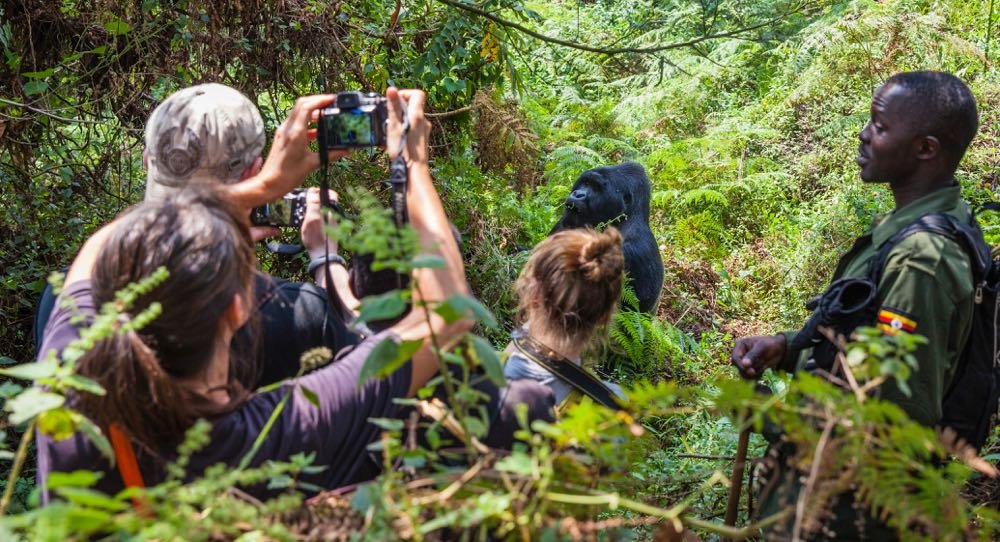
Photography is permitted during gorilla trekking, but flash photography is prohibited. Visitors should use natural light and avoid sudden movements when taking photographs.
Do Not Touch or Feed Mountain Gorillas
Gorillas are wild animals and must never be touched, fed or deliberately approached. Feeding wildlife can interfere with natural behaviour and create unnecessary health risks.
Remain Calm and Follow Ranger Instructions
Visitors should avoid shouting, sudden movements or behaviour that may disturb the gorilla family. Experienced rangers provide instructions throughout the encounter to protect both visitors and animals.
Do Not Eat, Drink or Smoke Near Gorillas
Food, drinks and smoking are prohibited during the gorilla encounter. Visitors must also avoid littering and follow instructions regarding sanitation in the forest.
The Gorilla Trekking Requirements in Uganda are designed to preserve the natural behaviour of mountain gorillas while allowing responsible visitors to enjoy a memorable conservation experience.
9. Gorilla Trekking Group Size and Viewing Time
The Uganda Wildlife Authority carefully regulates the number of people visiting habituated gorilla families. Under the Gorilla Trekking Requirements in Uganda, a maximum of eight tourists may visit a particular gorilla group during a standard trekking session.
This visitor limit helps reduce stress on the gorillas and supports responsible wildlife tourism. Each trekking group is accompanied by authorised park staff who guide visitors through the forest and supervise the encounter.
Once the gorillas are located, visitors are permitted a maximum of one hour with the family. This viewing period does not include the time spent trekking through the forest.
It is important to understand that booking a private safari vehicle does not automatically provide a private gorilla trekking group. Even travellers on private Uganda safari tours normally join the ranger-assigned trekking arrangement unless a separate authorised arrangement has been confirmed.
10. Advance Booking and Travel Planning Requirements
Advance booking is one of the most practical Gorilla Trekking Requirements in Uganda because permit availability is limited. Travellers should begin planning their gorilla safari by selecting suitable travel dates, checking permit availability and identifying the trekking sector that best fits their itinerary.
The busier travel periods generally include June to September and December to February, when many international visitors travel to Uganda for wildlife holidays. Travellers planning these months should book well ahead whenever possible.
Once a trekking permit has been confirmed, accommodation and transportation should be arranged around the allocated sector. This is especially important in Bwindi, where travelling between different trekking sectors can involve considerable driving.
The Gorilla Trekking Requirements in Uganda also involve understanding official rescheduling and cancellation conditions before paying for permits. Changes to trekking dates or locations may be subject to availability, charges and restrictions.
With Calm Africa Safaris, travellers can arrange short gorilla safaris from Kigali, multi-day journeys from Entebbe or longer itineraries combining gorillas with Queen Elizabeth National Park and other destinations.
Where Can You Go Gorilla Trekking in Uganda?
Uganda has two national parks where visitors can experience mountain gorilla trekking: Bwindi Impenetrable National Park and Mgahinga Gorilla National Park.
The Gorilla Trekking Requirements in Uganda apply to both destinations, although trekking routes, available permits, accommodation and travel arrangements can differ.
Bwindi Impenetrable National Park
Bwindi Impenetrable National Park is Uganda’s best-known gorilla trekking destination. Its ancient tropical rainforest provides a protected habitat for mountain gorillas and supports a wide variety of other wildlife.
The park has four main trekking sectors: Buhoma, Ruhija, Rushaga and Nkuringo. Each sector offers different accommodation choices, trekking routes and travel connections.
Buhoma is often convenient for travellers combining Bwindi with northern Queen Elizabeth National Park. Rushaga and Nkuringo are popular options for safaris beginning in Kigali, while Ruhija offers beautiful highland scenery and access to central sections of the forest.
The most suitable sector depends on available permits, travel dates and the wider itinerary.
Mgahinga Gorilla National Park
Mgahinga Gorilla National Park lies within the Virunga mountain landscape in southwestern Uganda. The park offers an alternative setting for mountain gorilla trekking, with impressive volcanic scenery and opportunities to experience other forest activities.
Visitors can also consider golden monkey tracking, guided nature experiences and additional activities where available.
Calm Africa Safaris can help travellers compare Bwindi and Mgahinga before deciding which destination best suits their preferred safari duration and accommodation arrangements.
What Happens on Gorilla Trekking Day in Uganda?
Knowing what to expect on trekking day helps visitors follow the Gorilla Trekking Requirements in Uganda with greater confidence. The experience normally begins with an early transfer from your lodge to the designated national park briefing point.
Park officials verify permit details and provide a briefing explaining gorilla behaviour, trekking safety, conservation rules and what visitors should do during the encounter.
After the briefing, visitors are organised into trekking groups and assigned authorised guides and trackers. The walk begins through the forest, with the route determined by the location of the gorilla family.
The trekking experience may involve steep paths, forest vegetation and occasional rest stops. Once the gorillas have been located, the guide explains where visitors should stand and how to observe the animals safely.
During the permitted hour, travellers may observe gorillas feeding, grooming, playing or resting in their natural habitat. After the encounter, the group returns through the forest before travelling back to the lodge.
Because trekking durations vary, visitors should avoid arranging tightly scheduled onward connections immediately after the activity.
Gorilla Trekking Requirements in Uganda for Senior Travellers
Senior travellers can participate in gorilla trekking because Uganda does not impose a general maximum age limit for the activity. However, physical mobility, medical considerations and forest conditions should be assessed carefully before booking.
The Gorilla Trekking Requirements in Uganda for older visitors remain the same as those for other eligible travellers, including the minimum health standards, permit regulations and wildlife protection rules.
Travellers who may struggle with steep forest trails can request porter assistance or enquire about suitable mobility arrangements. In certain circumstances, sedan-chair assistance may be available, subject to local arrangements and confirmation.
Calm Africa Safaris can assist senior visitors with private transfers, comfortable accommodation and advance communication about accessibility needs.
Although requests for more manageable trekking conditions can be made, the duration and difficulty of any particular trek cannot be guaranteed.
Uganda Entry Requirements for International Gorilla Trekkers
International travellers must satisfy Uganda’s immigration requirements in addition to the Gorilla Trekking Requirements in Uganda. Visitors should check their passport validity, visa eligibility and other entry conditions before travelling.
A passport with at least six months of remaining validity is generally expected for international tourist visa applications. Travellers who require visas should ensure they obtain the appropriate authorisation before arrival.
Visitors entering Uganda from Rwanda should also check border-entry requirements and ensure they have documentation appropriate for their journey.
Important travel health update: On 2 October 2026, Uganda’s Directorate of Citizenship and Immigration Control announced that a yellow fever vaccination certificate was no longer mandatory for entry into Uganda. Travellers should still obtain appropriate medical advice and check requirements for other countries in their itinerary, including transit destinations.
It is always sensible to review current entry guidance before departure because immigration and public-health regulations may change.
Best Time to Visit Uganda for Gorilla Trekking
The Gorilla Trekking Requirements in Uganda apply throughout the year, but weather conditions influence the comfort and difficulty of forest walks.
The relatively drier months, generally June to September and December to February, are popular because forest trails may be easier to navigate. These periods are particularly attractive to first-time visitors who want to combine mountain gorilla trekking with additional wildlife activities.
The wetter months, particularly March to May and October to November, bring lush vegetation, misty forest landscapes and increased rainfall. Gorilla trekking remains possible, although trails can become muddy and more demanding.
Travellers combining gorillas with wildlife game drives in Uganda may prefer the relatively drier months for their wider safari itinerary.
However, mountain gorillas live in their natural habitat throughout the year, and an enjoyable encounter is possible in any season, subject to weather conditions and park operations.
Gorilla Trekking vs Gorilla Habituation Requirements in Uganda
Travellers researching the Gorilla Trekking Requirements in Uganda may also encounter information about the Gorilla Habituation Experience, which is a different wildlife activity.
Standard gorilla trekking generally allows visitors up to one hour with a habituated gorilla family. The Gorilla Habituation Experience involves visiting a gorilla group undergoing habituation and can allow up to four hours of observation under the applicable programme.
The activities have different permit arrangements, visitor limits, availability and fees. Travellers should therefore avoid assuming that a standard gorilla trekking permit provides access to the longer habituation experience.
Calm Africa Safaris can help visitors compare these experiences and identify the appropriate permit for their preferred travel dates.
Why Book Your Gorilla Trekking Safari with Calm Africa Safaris?
Understanding the Gorilla Trekking Requirements in Uganda is easier when your safari is organised with local knowledge and careful planning. At Calm Africa Safaris, we help travellers coordinate the practical details of gorilla trekking so they can concentrate on enjoying the wildlife experience.
Our services can include checking permit availability, organising private airport transfers, selecting accommodation close to the appropriate trekking sector and preparing a personalised safari itinerary.
We also assist with practical information concerning clothing, forest conditions, porter arrangements and the rules visitors must follow during their gorilla encounter.
For travellers interested in a longer holiday, we can combine gorilla trekking with chimpanzee tracking, Queen Elizabeth National Park safaris, Murchison Falls National Park or a Kazinga Channel boat safari.
Whether you are travelling alone, as a couple or with family members, our Uganda safari tours can be tailored to your interests, travel dates and preferred accommodation.
Frequently Asked Questions About Gorilla Trekking Requirements in Uganda
What are the basic requirements for gorilla trekking in Uganda?
The basic requirements include being at least 15 years old, holding a valid gorilla trekking permit, being free from infectious illnesses and following Uganda Wildlife Authority regulations. Visitors should also be physically prepared for forest walking.
What is the minimum age for gorilla trekking in Uganda?
The minimum participation age is 15 years. Visitors must satisfy this requirement before joining standard gorilla trekking activities in Bwindi or Mgahinga.
Is a gorilla trekking permit compulsory in Uganda?
Yes. Every eligible visitor must have a valid permit for the approved trekking date and location. Permits are limited and should be secured in advance.
How physically fit do you need to be for gorilla trekking?
Moderate fitness is recommended. The activity may involve several hours of walking along steep, muddy or uneven forest trails. Actual trekking difficulty depends on the location of the gorillas.
Can elderly people go gorilla trekking in Uganda?
Yes. There is no general maximum age limit. Senior travellers should consider their health and mobility and request any necessary assistance before booking.
Can I trek gorillas if I have a cold?
No. Visitors with infectious illnesses should not participate because gorillas are vulnerable to certain human diseases. Inform your operator if you develop symptoms before the activity.
What distance must tourists maintain from gorillas?
Visitors must maintain a minimum distance of 10 metres from the gorillas. Always follow ranger instructions, particularly if an animal approaches the group.
How long can visitors stay with mountain gorillas?
Standard gorilla trekking allows a maximum of one hour observing a gorilla family after it has been located.
How many tourists are allowed in a gorilla trekking group?
A maximum of eight tourists normally visit a particular habituated gorilla family during a standard trekking session.
Is photography allowed during gorilla trekking?
Yes. Visitors can take photographs, but flash photography is prohibited. Photographers must maintain the required viewing distance and avoid disturbing the animals.
What should I wear for gorilla trekking in Uganda?
Waterproof hiking boots, long trousers, long-sleeved clothing, a rain jacket and protective gloves are recommended for forest trekking.
Do I need previous hiking experience?
No. Previous hiking experience is not mandatory, but reasonable physical preparation is helpful because trekking can involve demanding forest terrain.
Can I go gorilla trekking in Uganda throughout the year?
Yes. Gorilla trekking is available year-round, subject to permits and park operations. The relatively drier months generally offer more manageable walking conditions.
Can I choose which gorilla family to visit?
Visitors can book permits for available trekking locations, but specific gorilla family allocations are normally handled by the park authorities. Requests may be communicated, although they are not guaranteed.
How do I book a Uganda gorilla trekking safari?
You can contact Calm Africa Safaris with your preferred dates, number of travellers, arrival location and accommodation preferences. Our team can help prepare a suitable itinerary and coordinate the necessary arrangements.
Book Your Uganda Gorilla Trekking Safari with Calm Africa Safaris
Meeting the Gorilla Trekking Requirements in Uganda is an important part of planning a responsible and memorable mountain gorilla encounter. From obtaining the correct permit to preparing suitable trekking clothing and understanding the park regulations, careful planning helps visitors enjoy the experience with confidence.
At Calm Africa Safaris, we organise personalised gorilla trekking journeys to Bwindi Impenetrable National Park and Mgahinga Gorilla National Park. Our services can include permit coordination, private safari vehicles, accommodation, airport transfers and additional wildlife experiences.
Whether you want a short gorilla safari from Kigali, a private Uganda adventure from Entebbe or an extended wildlife holiday, our team can help create an itinerary suited to your interests and travel plans.
Request Your Uganda Gorilla Trekking Safari and let Calm Africa Safaris help you prepare for one of Africa’s most extraordinary wildlife experiences.