birding Watching-uganda
Nature & Scenery Moderate

birding Watching-uganda

Murchison Falls National Park, Uganda
1 day to 21+ days (flexible)
Min Age: 8 years
Max 7 people

Duration

1 day to 21+ days (flexible)

Difficulty

Moderate

Min Age

8+ years

Group Size

Max 7

Quick Overview

Discover why Uganda is Africa's premier bird watching destination with over 1,070 bird species - more than half of Africa's total bird species in a country the size of Great Britain. From the rare Shoebill Stork to colorful Great Blue Turacos, Uganda offers exceptional birding opportunities in diverse habitats ranging from tropical rainforests to savanna wetlands and montane forests.

Detailed Overview

Uganda is rightfully known as "Africa's Premier Birding Destination" and the "Pearl of Africa" for bird enthusiasts. With over 1,070 recorded bird species - representing more than 50% of Africa's total bird species and 11% of the world's bird species - all packed into a country roughly the size of Great Britain, Uganda offers unparalleled bird diversity.

The country's incredible avian richness is due to its unique position at the convergence of several ecological zones: East African savanna, West African rainforest, and the Albertine Rift endemic zone. This geographical diversity creates an extraordinary variety of habitats within short distances, making it possible to see hundreds of species in just a week or two.

Uganda is home to 24 Albertine Rift endemics (found nowhere else on Earth), several globally threatened species, and numerous Guinea-Congo forest biome species at the eastern edge of their range. Birding in Uganda ranges from easy roadside viewing to challenging mountain treks, catering to birders of all experience levels.

Notable species include the prehistoric-looking Shoebill Stork, the spectacular Great Blue Turaco, African Green Broadbill, Standard-winged Nightjar, and the rare Green Breasted Pitta. Whether you're a casual bird watcher or a serious lister chasing lifers, Uganda delivers exceptional birding experiences year-round.
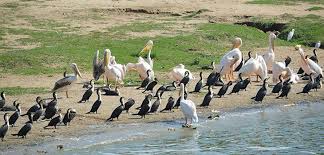
Photo Gallery (1)

birding Watching-uganda
Featured

What to Expect

Birding Habitats:

Uganda's diverse ecosystems provide varied birding experiences:

1. Wetlands & Swamps:

  • Mabamba Bay Swamp: Famous for Shoebill Stork (95% sighting success)
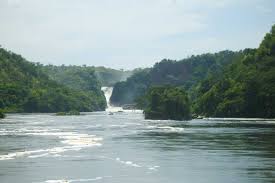
  • Murchison Falls Delta: Shoebill, African Skimmer, Rock Pratincole
  • Lake Mburo wetlands: Papyrus specialists and water birds
  • Species: Shoebill, Papyrus Gonolek, Malachite Kingfisher, African Fish Eagle

2. Tropical Rainforests:

  • Bwindi Impenetrable Forest: 350+ species, 23 Albertine endemics
  • Kibale Forest: 375+ species, forest specialists
  • Budongo Forest: 360+ species, including Chocolate-backed Kingfisher
  • Semliki Valley: Lowland Congo basin species
  • Species: African Green Broadbill, Great Blue Turaco, African Pitta, Nahan's Francolin

3. Savanna & Grasslands:

  • Queen Elizabeth National Park: 600+ species
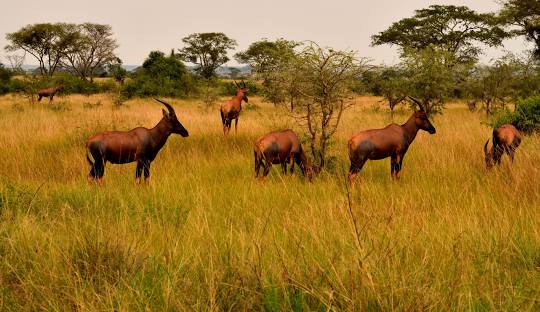
  • Murchison Falls National Park: 450+ species
  • Kidepo Valley: Dry country specialists, 475+ species
  • Species: Abyssinian Ground Hornbill, Secretary Bird, Denham's Bustard, various raptors

4. Montane Forests:

  • Bwindi Impenetrable Forest: 2,607m altitude
  • Mgahinga Gorilla National Park: Afro-montane species
  • Rwenzori Mountains: Alpine zone birds, 217+ species
  • Species: Rwenzori Turaco, Handsome Francolin, Collared Apalis, Mountain Buzzard

5. Lakes & Rivers:

  • Lake Victoria: Africa's largest lake, waterbirds
  • Kazinga Channel: Concentration of water birds
  • Nile River: Riverine species
  • Species: Pied Kingfisher, various herons, egrets, cormorants, African Jacana

Typical Birding Day:

  • 5:30-6:00 AM: Early morning start (birds most active)
  • 6:00-9:30 AM: Morning birding session (peak activity)
  • 9:30-10:00 AM: Breakfast break
  • 10:00-12:30 PM: Mid-morning birding
  • 12:30-3:00 PM: Lunch and rest (heat of day, reduced activity)
  • 3:00-6:30 PM: Afternoon/evening birding session
  • 7:00-8:00 PM: Optional night drive for nocturnal species (nightjars, owls)

Birding Methods:

  • Walking trails through forests and wetlands
  • Vehicle-based birding in national parks
  • Canoe trips in swamps (especially for Shoebill)
  • Early morning and evening drives
  • Night drives for owls and nightjars
  • Tower/platform viewing in forests
  • Boat cruises on lakes and rivers

What You'll See:

Depending on locations visited and season, expect:

  • 300-450 species in a 2-week comprehensive birding tour
  • 150-250 species in a 1-week general tour
  • 50-100 species in a single full day at a good location
  • Multiple Albertine Rift endemics
  • Several "Big 5" bird species of Uganda
  • Endemic and near-endemic species
  • Migratory species (November-April)

Experience Levels:

  • Beginners: Guides provide identification help, focus on common species
  • Intermediate: More challenging species, habitat-specific birding
  • Advanced: Targeting rare species, seabirds, endemics, and specialty species
  • Photography: Specialized photo hides and blinds available at some lodges

Highlights

The "Big 5" Birds of Uganda:

  • Shoebill Stork - Ancient, prehistoric-looking swamp specialist
  • African Green Broadbill - Rare, elusive Albertine endemic
  • Great Blue Turaco - Spectacular, large colorful forest bird
  • Standard-winged Nightjar - Bizarre breeding plumage (seasonal)
  • African Pitta (Green-breasted Pitta) - Rare, ground-dwelling forest species

Albertine Rift Endemics (24 species found in Uganda):

  • Rwenzori Turaco
  • Handsome Francolin
  • Rwenzori Batis
  • Archer's Robin-chat
  • Collared Apalis
  • Mountain Masked Apalis
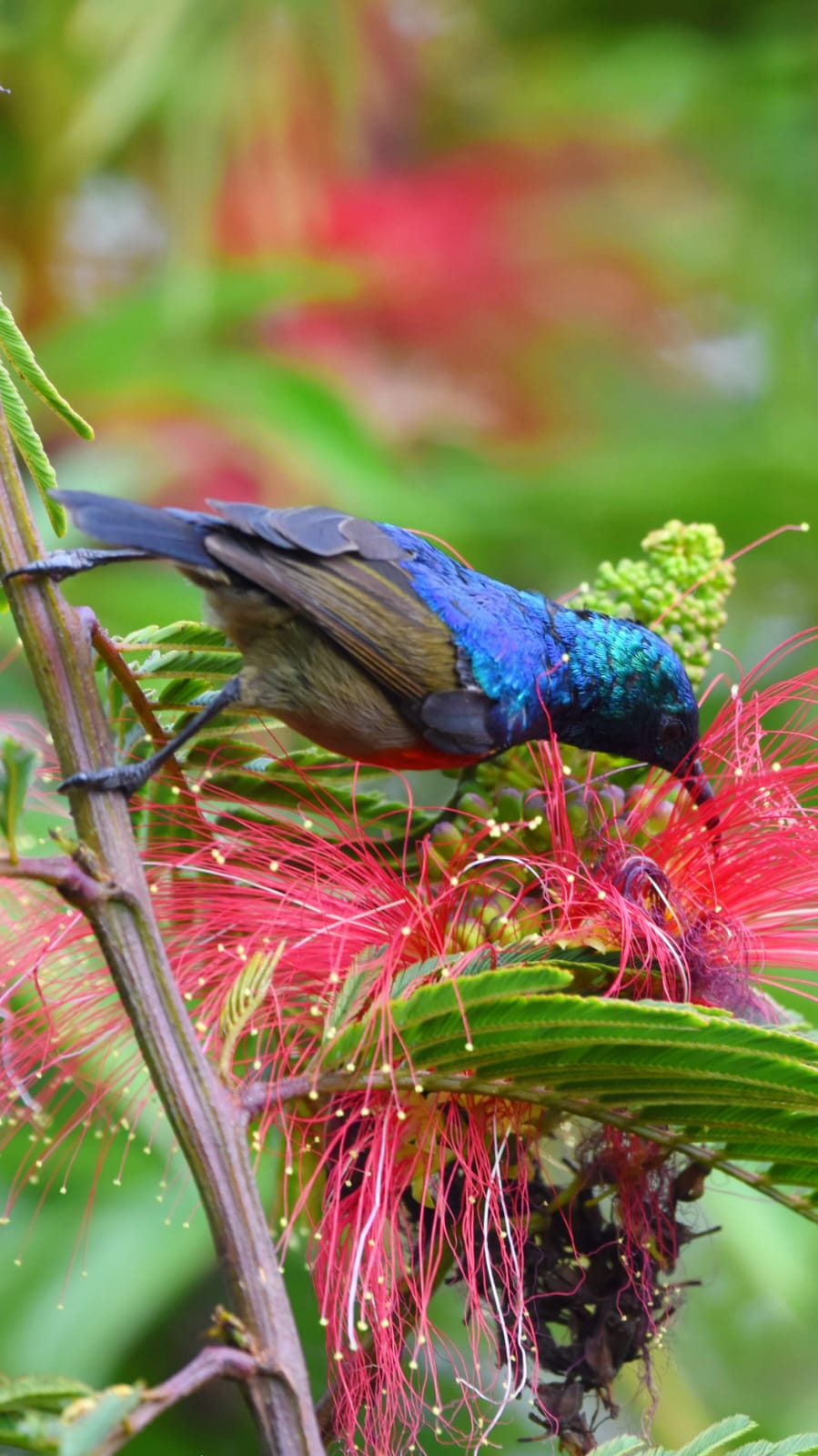
  • Ruwenzori Double-collared Sunbird
  • Purple-breasted Sunbird
  • Blue-headed Sunbird
  • And 15 more endemic species!

Iconic Species:

  • Shoebill Stork (Mabamba Swamp, Murchison Falls)
  • Great Blue Turaco (all major forests)
  • Grey Crowned Crane (national bird - savanna parks)
  • African Fish Eagle (all water bodies)
  • Goliath Heron (largest heron in the world)
  • Saddle-billed Stork (majestic wetland species)
  • African Skimmer (Murchison Falls)
  • Pel's Fishing Owl (rare, nocturnal)

Best Birding Locations:

1. Mabamba Bay Swamp - Shoebill (95% success rate)

2. Bwindi Impenetrable Forest - 23 Albertine endemics, 350+ species

3. Queen Elizabeth National Park - 600+ species, diverse habitats

4. Murchison Falls National Park - 450+ species, Shoebill, raptors

5. Kibale Forest - 375+ species, Great Blue Turaco

6. Semuliki National Park - 441+ species, Congo basin species

7. Lake Mburo National Park - 350+ species, wetland specialists

8. Budongo Forest - 360+ species, forest interior specialists

9. Mgahinga Gorilla National Park - Montane forest endemics

10. Kidepo Valley National Park - 475+ species, dry country specialists

Year-Round Birding:

Uganda offers excellent birding throughout the year, with different seasons offering unique opportunities.

Photography Opportunities:

  • Close-up Shoebill encounters from canoes
  • Forest species at eye level from canopy walkways
  • Water birds along Kazinga Channel
  • Raptors and grassland species in savanna parks
  • Colorful sunbirds and turacos in gardens

Rules & Regulations

National Park Regulations:

  • All visitors must have valid park entry permits
  • Birding permits included with park entrance fees
  • Stay on designated trails unless with a guide
  • No littering - carry all waste out
  • No disturbing nests or wildlife
  • Playback recordings restricted in some areas (check with guide)

Birding Ethics:

  • Welfare of birds comes first
  • Minimize disturbance to birds and habitat
  • Respect private property and local communities
  • No harassment of birds for photos
  • Limited use of playback (tape luring) - only for difficult species
  • No feeding wild birds
  • Report rare or unusual sightings to Ugandan bird authorities

Photography Guidelines:

  • No flash photography near nests
  • Maintain safe distance from birds
  • No disturbing vegetation for better views
  • Drone use restricted in national parks (requires special permits)
  • Commercial photography requires additional permits

Forest Birding Rules:

  • Stay with your group and guide
  • Keep noise to minimum (quiet voices)
  • Walk slowly and pause frequently
  • No smoking on trails
  • No picking plants or flowers
  • Follow guide's instructions regarding wildlife safety

Boat Regulations:

  • Life jackets mandatory on all boat trips
  • Stay seated while boat is moving
  • No standing in canoes
  • Follow captain's safety instructions
  • No leaning over sides

Safety Information

General Safety:

  • Professional bird guides trained in first aid
  • Most birding sites are safe with minimal wildlife danger
  • Follow guide instructions, especially in areas with larger wildlife
  • Mobile phone coverage available in most areas
  • Emergency evacuation procedures in place at national parks

Wildlife Considerations:

  • While birding, you may encounter elephants, buffalo, or hippos
  • Maintain safe distance from all wildlife
  • Never get between hippos and water
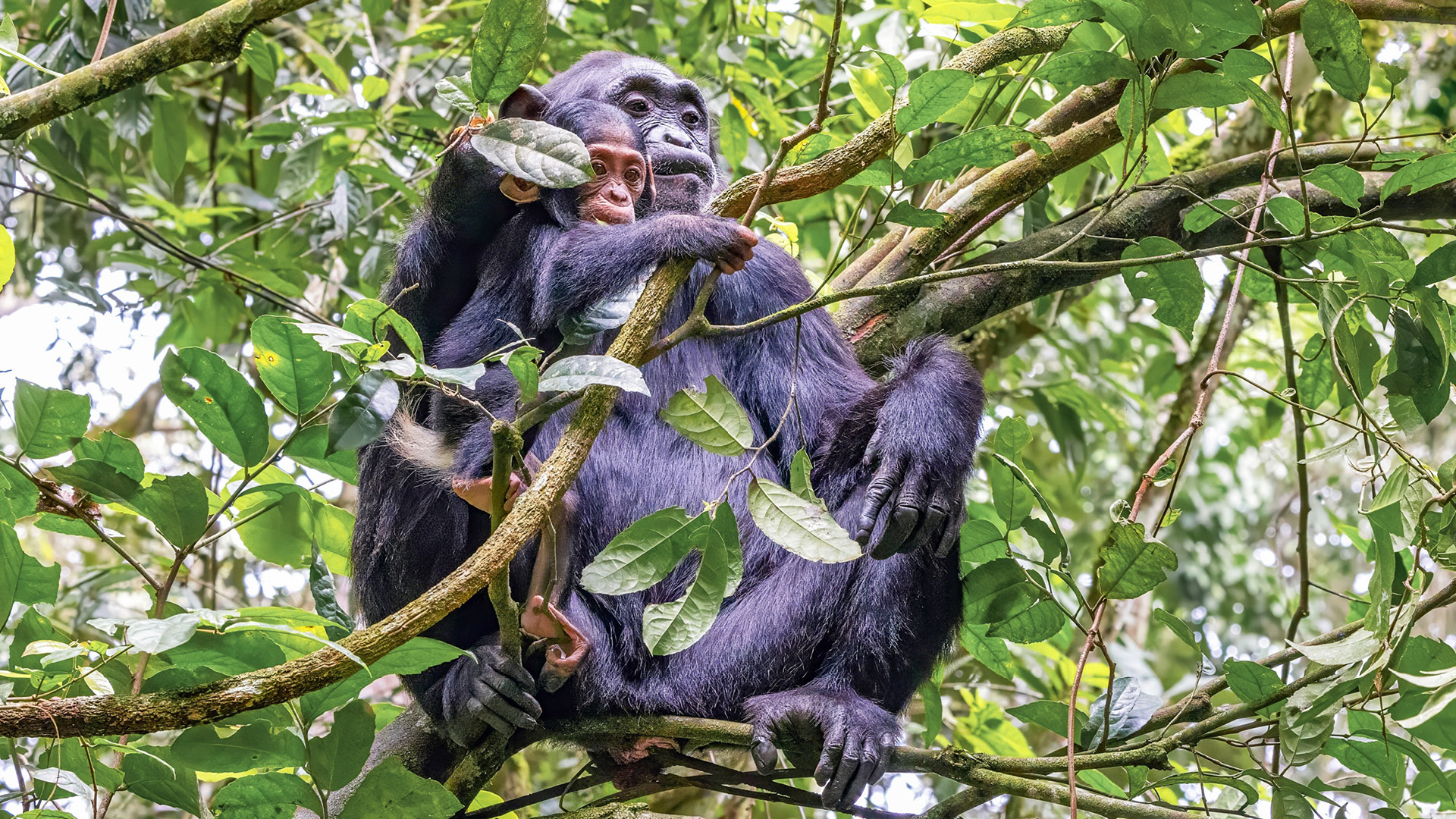
  • In forests, watch for primates (generally harmless but don't feed them)
  • Snakes present but rarely seen - wear closed shoes

Health & Hygiene:

  • Malaria prevention essential (antimalarial medication + repellent)
  • Drink only bottled or treated water
  • Use hand sanitizer, especially before eating
  • Sun protection important (equatorial sun is strong)
  • Stay hydrated during hot days

Walking Safety:

  • Trails can be muddy and slippery after rain
  • Watch for tree roots and uneven ground
  • Use walking stick on steep or slippery sections
  • Wear appropriate footwear (no flip-flops or sandals)
  • Inform guide immediately if feeling unwell

Vehicle Safety:

  • All vehicles equipped with roll bars and seat belts
  • Experienced drivers familiar with park roads
  • Stay seated while vehicle is moving
  • No standing through roof hatches while driving

Health Requirements

Vaccinations Required:

  • Yellow Fever (certificate mandatory for entry to Uganda)

Vaccinations Recommended:

  • Hepatitis A and B
  • Typhoid
  • Tetanus
  • Polio booster
  • Rabies (if visiting remote areas or handling wildlife)

Malaria Prevention:

  • Uganda is a malaria zone - take antimalarial medication
  • Start medication before arrival (as prescribed)
  • Continue for specified time after departure
  • Use DEET-based insect repellent
  • Wear long sleeves and pants at dawn/dusk
  • Sleep under mosquito nets when provided

Fitness Level:

  • General good health required
  • Ability to walk 2-5 km on uneven terrain
  • Forest birding involves some uphill walking
  • Most birding is low-intensity with frequent stops
  • Suitable for most ages and fitness levels
  • Special arrangements can be made for limited mobility

Medical Facilities:

  • Major towns have clinics and hospitals
  • Kampala has international-standard medical facilities
  • Remote birding areas have basic first aid only
  • Travel insurance with medical evacuation coverage recommended
  • Bring personal medications in original packaging

Altitude:

  • Most birding at low-mid altitude (1,000-2,000m)
  • Montane forest birding up to 2,500m (mild altitude effects possible)
  • Rwenzori mountain birding up to 4,000m+ (acclimatization needed)

Cultural Experience

Community Birding:

Many birding locations involve local communities:

  • Village walks combined with birding
  • Local guides trained in bird identification
  • Community-run birding sites (e.g., Mabamba Swamp)
  • Cultural performances at lodges
  • Home visits to local families

Cultural Sites Combined with Birding:

  • Bigodi Wetland Sanctuary (community-run, excellent birding)
  • Mabamba community projects
  • Lake Mburo community walks
  • Batwa cultural experiences (Bwindi area)
  • Coffee and tea plantation tours

Local Bird Names:

Learn some local names:

  • Shoebill: "Kabalega" (after King of Bunyoro)
  • Grey Crowned Crane: "Kasusu" (national bird)
  • African Fish Eagle: "Enkuru"

Supporting Communities:

  • Use local guides where available
  • Buy crafts from community cooperatives
  • Visit community-run conservation projects
  • Stay in community lodges when possible
  • Respect local customs and photography permissions

Cultural Sensitivity:

  • Dress modestly in villages
  • Ask permission before photographing people
  • Learn basic greetings in local languages
  • Respect religious and cultural sites
  • Support local businesses

Conservation & Sustainability

Conservation Status:

Uganda has made significant strides in bird conservation:

  • Over 15% of land area protected in national parks and reserves
  • Several Important Bird Areas (IBAs) designated
  • Community conservation initiatives growing
  • Successful species recovery programs

Threats to Birds:

  • Habitat loss (agriculture expansion, logging)
  • Wetland drainage for development
  • Climate change affecting montane species
  • Illegal bird trade (especially parrots and sunbirds)
  • Pesticide use in agricultural areas

How Birding Tourism Helps:

  • Entrance fees fund park protection and ranger salaries
  • Creates economic incentive to protect habitats
  • Provides employment for local guides and communities
  • Raises awareness about bird conservation
  • Funds research and monitoring programs
  • Supports anti-poaching efforts

Conservation Success Stories:

  • Shoebill populations stable due to wetland protection
  • Albertine Rift endemics protected through tourism
  • Community wetlands conserved for birding income
  • Grey Crowned Crane breeding programs successful

Responsible Birding:

  • Follow Leave No Trace principles
  • Report bird sightings to eBird (contributes to global database)
  • Don't stress birds for photographs
  • Support lodges and tour operators with conservation ethics
  • Avoid single-use plastics
  • Use eco-friendly accommodation when possible
  • Donate to bird conservation organizations

Key Conservation Organizations:

  • NatureUganda (BirdLife Partner)
  • Uganda Wildlife Authority
  • Mabamba Bay Wetland Conservation
  • African Bird Club

Important Notes

Pricing Breakdown:

Day Birding Trips (from Kampala/Entebbe):

  • Mabamba Swamp (Shoebill): $80-150 per person (half day)
  • Botanical Gardens Entebbe: $50-100 per person (half day)
  • Murchison Falls day trip: $200-350 per person (full day with park fees)

Multi-Day Birding Packages:

  • 3-day birding tour: $600-1,200 per person
  • 7-day comprehensive birding: $2,000-3,500 per person
  • 14-day ultimate birding: $4,000-7,000 per person
  • 21-day specialty birding (all endemics): $6,000-10,000 per person

What Affects Price:

  • Accommodation level (budget, mid-range, luxury)
  • Group size (smaller groups = higher per person cost)
  • Number of locations visited
  • Season (peak season slightly higher)
  • Vehicle type (shared vs. private)
  • Guide specialization level

Typical Package Inclusions:

  • Expert ornithologist guide
  • 4x4 safari vehicle with pop-up roof
  • All park entrance fees
  • Accommodation
  • All meals
  • Bottled water
  • Boat trips (Shoebill, Kazinga Channel)
  • Airport transfers
  • Government taxes

Budget Birding Options:

  • Budget lodges/guesthouses: $80-120 per night
  • Mid-range lodges: $150-250 per night
  • Luxury lodges: $300-800+ per night

Best Value Periods:

  • March-May (green season): 10-20% discounts
  • October-November: Some operators offer reduced rates

Peak Season Pricing:

  • June-September: Standard rates
  • December-February: Standard to higher rates
  • Book 3-6 months advance for best availability

Group Discounts:

  • Groups of 4-6: 5-10% discount
  • Groups of 7+: 10-15% discount
  • Private groups get customized itineraries

Additional Costs to Budget:

  • Uganda visa: $50 USD (online or arrival)
  • Travel insurance: $50-150
  • Tips for guides: $10-20 per day
  • Tips for drivers: $5-10 per day
  • Personal birding equipment (if needed)
  • Alcoholic beverages: $3-10 per drink
  • Souvenirs and crafts: Variable

Best Birding Seasons:

Prime Season (November-April):

  • Palearctic migrants present (adds 150+ species)
  • Forest species breeding (better plumage)
  • Drier conditions in many areas
  • Best for bird photography

Green Season (March-May, October-November):

  • Lush vegetation
  • Breeding activity high
  • Fewer tourists
  • Lower accommodation rates
  • Some roads muddy but accessible
  • Great for resident species

Year-Round Highlights:

  • Shoebill: Best June-August (low water levels)
  • Albertine endemics: Year-round
  • Standard-winged Nightjar: Breeding February-April (unique display)
  • African Pitta: Best October-February

Booking Recommendations:

  • Book 2-3 months advance for popular season
  • 1 month notice minimum for custom itineraries
  • Last-minute bookings possible in green season
  • Early booking secures best guides and lodges

Payment Terms:

  • 30% deposit to confirm booking
  • Balance due 30-60 days before arrival
  • Some operators accept payment on arrival (budget tours)
  • Credit cards accepted (may have 3-5% surcharge)
  • Bank transfers, PayPal, or cash (USD) accepted

Cancellation Policy (Typical):

  • 60+ days: Full refund minus 10% admin fee
  • 30-59 days: 50% refund
  • 15-29 days: 25% refund
  • Less than 14 days: No refund
  • Travel insurance recommended

Book This Activity

Price on Request

Contact us for pricing details

Secure booking process

Quick Facts

  • Location

    Murchison Falls National Park, Uganda

  • Duration

    1 day to 21+ days (flexible)

  • Difficulty

    Moderate

  • Minimum Age

    8 years

  • Max Group Size

    7 people

  • Category

    Nature & Scenery

Share This Activity

Need Help?

Our travel experts are here to help plan your perfect adventure

Contact Us

Similar Activities You Might Like