Gorilla Trekking Uganda
Popular Activity Wildlife Safari Challenging

Gorilla Trekking Uganda

Bwindi Impenetrable National Park, Uganda
3-8 hours (trek duration varies)
Min Age: 17 years
Max 5 people

Duration

3-8 hours (trek duration varies)

Difficulty

Challenging

Min Age

17+ years

Group Size

Max 5

Quick Overview

Experience the thrill of a lifetime by tracking endangered mountain gorillas in their natural habitat. Trek through the misty rainforests of Bwindi Impenetrable National Park or Mgahinga Gorilla National Park for an unforgettable encounter with these gentle giants. Uganda is home to over half of the world's remaining mountain gorillas.

Detailed Overview

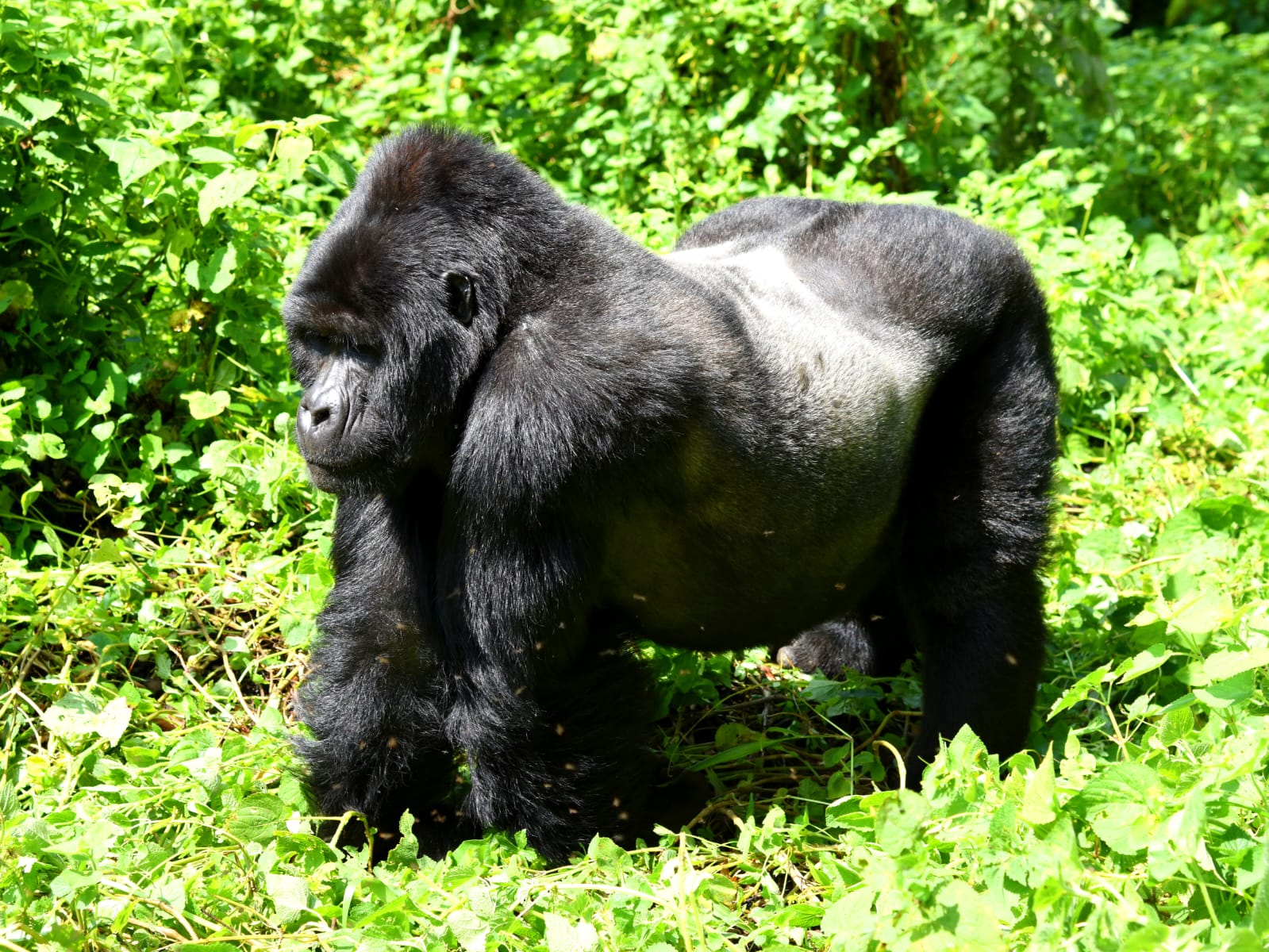
Gorilla trekking in Uganda is one of the most extraordinary wildlife experiences on Earth. Uganda is home to more than half of the world's remaining mountain gorillas, with approximately 459 individuals living in Bwindi Impenetrable National Park and Mgahinga Gorilla National Park.

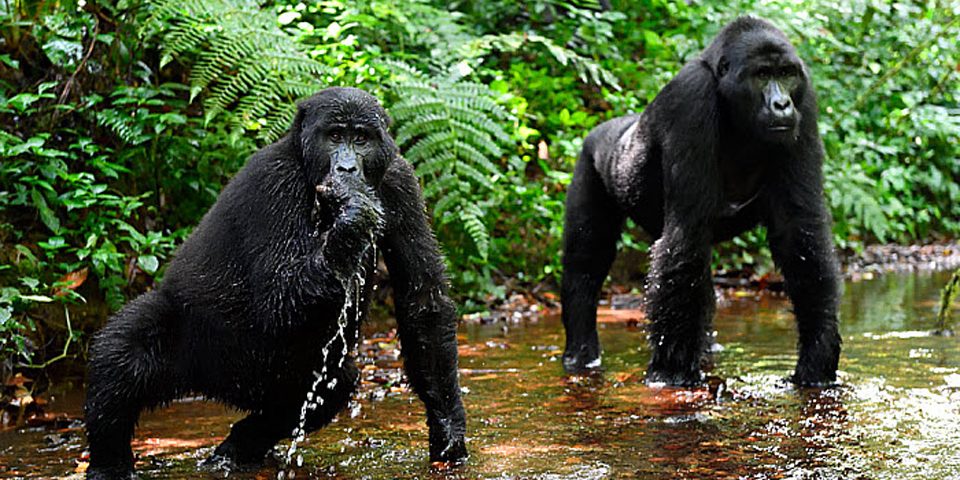
This once-in-a-lifetime experience involves hiking through dense tropical rainforest, navigating steep terrain, and following experienced trackers to find habituated gorilla families. Once you locate them, you'll spend a magical hour observing these magnificent creatures as they feed, play, groom each other, and go about their daily lives, often just meters away from you.

The encounter is deeply moving and humbling, offering insights into our closest relatives in the animal kingdom. Mountain gorillas share 98% of their DNA with humans, and their expressive faces and human-like behaviors create an unforgettable connection.
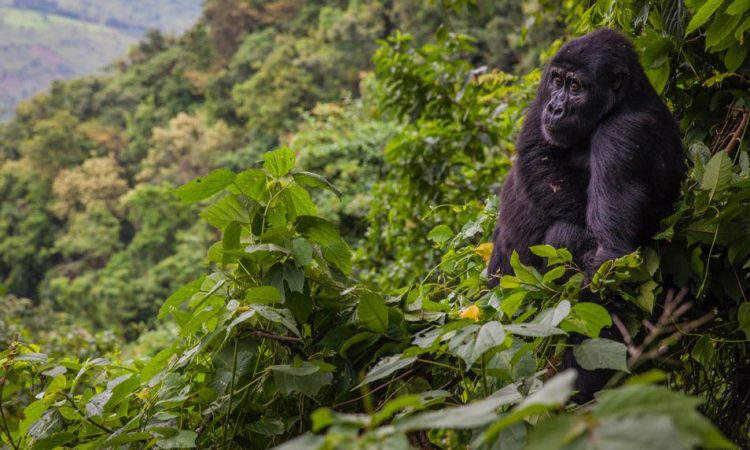
Photo Gallery (2)

Gorilla Trekking Uganda

What to Expect

  • The Trekking Experience:

Your gorilla trek begins early in the morning with a briefing at the park headquarters. You'll be assigned to a specific gorilla family group (maximum 8 trekkers per group) and paired with experienced guides and trackers who have been monitoring the gorillas' movements.

Duration

The trek can take anywhere from 2 to 8 hours depending on where the gorillas nested the previous night. Some treks are relatively short (30 minutes to 2 hours), while others can be more challenging and last most of the day.

  • The Forest: You'll hike through one of Africa's oldest and most biologically diverse rainforests. The terrain can be steep, muddy, and challenging, with thick vegetation, vines, and uneven ground. The altitude ranges from 1,160m to 2,607m above sea level.
  • The Encounter: Once you locate the gorilla family, you'll spend exactly one hour with them. During this time, you can observe:

Silverback males (the dominant adult males weighing up to 200kg)

Adult females caring for their young

Playful juveniles tumbling and climbing

Infants clinging to their mothers

Natural behaviors like feeding, grooming, and vocalizing

Rules During the Encounter:

  • Maintain a minimum distance of 7 meters (23 feet)
  • Keep voices low and movements calm No flash photography
  • No eating or drinking near the gorillas
  • Cover coughs and sneezes (turn away)
  • If a gorilla approaches you, remain still and avoid direct eye contact

Physical Demands:

The trek requires moderate to good fitness. You'll be hiking uphill and downhill on muddy, slippery trails through dense forest. Porters are available to carry your backpack and provide assistance on difficult sections.

Highlights

  • Spend one hour with endangered mountain gorillas in their natural habitat
  • Observe silverback males, mothers with infants, and playful juveniles up close
  • Trek through the ancient Bwindi Impenetrable Forest, a UNESCO World Heritage Site
  • Experience one of Africa's most biologically diverse ecosystems with over 350 bird species
  • Contribute directly to gorilla conservation - permit fees support protection efforts
  • Learn from expert trackers and guides who know each gorilla family intimately
  • Witness natural gorilla behaviors: feeding, grooming, playing, and communicating
  • Receive a certificate of participation after your trek
  • Support local communities who benefit from gorilla tourism

Rules & Regulations

Permit Requirements:

All trekkers must possess a valid gorilla trekking permit ($800 USD per person)

Permits must be booked 6-12 months in advance due to limited availability

Only 8 visitors per gorilla family per day

Permits are non-refundable and non-transferable

Passport details required at time of booking (exact name match)

Age and Health Requirements:

Minimum age: 15 years old (strictly enforced)

Anyone with a cold, flu, or communicable illness will not be permitted to trek

No trekking if you're feeling unwell - full refund not guaranteed

During the Trek:

  • Stay in your assigned group at all times
  • Follow your guide's instructions immediately and without question
  • No smoking, eating, or drinking within 200 meters of gorillas
  • Maintain 7 meters (23 feet) distance from gorillas at all times
  • If a gorilla approaches you, slowly move back while remaining calm
  • No touching the gorillas (even if they touch you)
  • Keep voices to a whisper
  • Turn away and cover your face if you need to cough or sneeze

Photography Rules:

  • No flash photography (disturbs gorillas and can be seen as aggression)
  • No camera sounds or beeping
  • Silent/vibrate mode on all devices
  • Videos allowed but no flash

Behavior Guidelines:

  • If a gorilla charges, crouch down and avoid direct eye contact
  • Do not point at gorillas
  • Do not make sudden movements or loud noises
  • Maximum 1 hour with gorillas (strictly enforced)
  • Bury human waste at least 300 meters from gorilla trails

Conservation Rules:

  • Stay on designated trails
  • Do not litter (carry all trash out)
  • Do not damage vegetation unnecessarily
  • Report any snares or illegal activities to rangers

Safety Information

Physical Safety:

  • Armed rangers accompany all treks for protection against wild animals (buffalo, elephants)
  • Guides carry first aid kits and communication radios
  • Emergency evacuation procedures in place
  • Stretchers available at park headquarters if needed
  • Porters can assist on difficult terrain sections

Wildlife Considerations:

  • Mountain gorillas are generally peaceful but are wild animals
  • Silverbacks may display dominance behaviors (chest-beating, charging)
  • If charged, remain calm, crouch down, and avoid eye contact - do not run
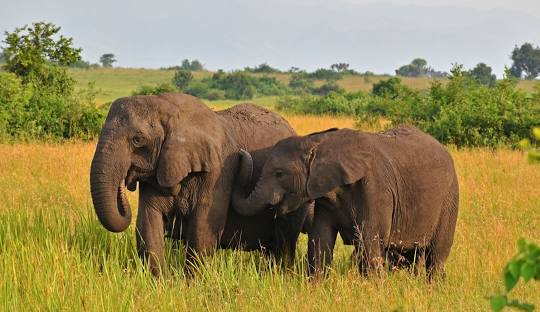
  • Other wildlife in the forest includes elephants, buffalo, and forest hogs
  • Follow guide instructions immediately if encountering other wildlife

Health and Disease Prevention:

  • Gorillas are susceptible to human diseases
  • Anyone showing signs of illness will not be permitted to trek
  • Maintain 7-meter distance to reduce disease transmission
  • Cover coughs/sneezes and turn away from gorillas
  • Use hand sanitizer before and after the trek

Trail Conditions:

  • Trails can be extremely muddy and slippery, especially during rainy season
  • Steep inclines and declines are common
  • Dense vegetation may require pushing through undergrowth
  • Altitude ranges from 1,160m to 2,607m - some visitors experience altitude effects
  • Weather can change rapidly - rain is common even in "dry" season

Emergency Procedures:

  • Guides carry GPS and radio communication
  • Park headquarters monitors all trekking groups
  • Emergency evacuation plans in place
  • Nearest medical facilities: Bwindi Community Hospital (basic), Kampala (5-8 hours drive)

Health Requirements

Medical Fitness:

  • Good general health and moderate to high fitness level required
  • Ability to hike 2-8 hours over steep, muddy, uneven terrain
  • No serious heart, respiratory, or mobility conditions
  • Consult doctor if you have concerns about fitness level

Vaccinations Required:

  • Yellow Fever (certificate required for entry to Uganda)
  • Recommended: Hepatitis A & B, Typhoid, Tetanus, Polio

Malaria Prevention:

  • Both parks are in malaria zones
  • Take antimalarial medication as prescribed
  • Use insect repellent and wear protective clothing

Altitude Considerations:

  • Parks range from 1,160m to 2,607m altitude
  • Some visitors may experience mild altitude symptoms
  • Stay hydrated and inform guide if feeling unwell

COVID-19 and Respiratory Illness:

  • Temperature checks before trekking
  • Anyone with respiratory symptoms will be denied entry
  • Face masks may be required near gorillas (check current regulations)
  • Enhanced hygiene protocols in place

Medical Requirements:

  • Travel insurance with emergency evacuation coverage strongly recommended
  • Bring personal medications in original containers
  • Inform guides of any medical conditions or allergies
  • Basic first aid available from guides; serious medical care requires evacuation

Cultural Experience

Batwa Cultural Experience:

The Batwa (Pygmy) people are the original inhabitants of the forest. After being displaced when the parks were created, many now live in communities nearby. Optional cultural visits include:

  • Traditional Batwa village visits
  • Learning ancient hunting and gathering techniques
  • Fire-making demonstrations using traditional methods
  • Medicinal plant knowledge from forest herbalists
  • Traditional dance and music performances
  • Bamboo cup-making crafts
  • Forest walks with Batwa guides sharing ancestral knowledge
  • Supporting Batwa community development through tourism

Local Communities:

Many lodges and camps are community-owned or employ local staff, providing:

  • Employment for local families
  • Revenue sharing from tourism
  • Education and healthcare funding
  • Alternative livelihoods to reduce forest encroachment
  • Cultural pride and conservation awareness

Community Walks:

  • Visit local villages and schools
  • Coffee plantation tours
  • Traditional beer-making demonstrations (banana beer)
  • Local market visits
  • Craft-making workshops (basket weaving)

Cultural Sensitivity:

  • Ask permission before photographing people
  • Respect local customs and dress modestly
  • Support local businesses and craftspeople
  • Learn basic greetings in Rukiga or Rufumbira languages

Conservation & Sustainability

Conservation Impact:

Your gorilla trek directly supports conservation through:

  • 20% of permit fees goes to local communities
  • Funding for anti-poaching patrols and ranger salaries
  • Veterinary care for injured or sick gorillas
  • Habitat protection and reforestation programs
  • Research and monitoring of gorilla populations
  • Education programs in local communities
  • Alternative livelihood projects reducing forest dependence

Success Story:

Mountain gorilla populations are increasing - the only great ape with growing numbers:

  • 1980s: ~620 individuals (critically endangered)
  • 2018: ~1,063 individuals worldwide
  • Uganda has seen steady population growth due to tourism-funded conservation

Habitation Process:

Gorilla families are slowly habituated to human presence over 2-3 years before tourism begins. This careful process ensures minimal stress on gorillas while allowing sustainable tourism.

Sustainable Tourism Practices:

  • Limited permits (8 per family per day) minimize disturbance
  • One-hour viewing limit reduces stress
  • Distance requirements protect gorilla health
  • Strict health screening prevents disease transmission
  • Porter programs provide alternative income
  • Community revenue sharing creates conservation incentives

How You Can Help:

  • Follow all rules strictly
  • Don't trek if you're ill
  • Support local businesses and communities
  • Share your experience to inspire others
  • Consider donating to gorilla conservation organizations
  • Avoid single-use plastics in and around the parks

Important Notes

Permit Costs:

  • Uganda gorilla permit: $800 USD per person per trek
  • Rwanda gorilla permit: $1,500 USD (for comparison)
  • DRC (Virunga) permit: $400 USD (security conditions permitting)

What the Permit Includes:

The $800 permit fee covers:

  • One hour with gorillas
  • Park ranger guides
  • Trackers who locate gorillas
  • Armed ranger escort
  • Park entry fees
  • Certificate of participation

Best Time to Trek:

Dry Seasons (Best):

  • June to September: Less rain, easier trekking conditions
  • December to February: Short dry season, clearer trails
  • Note: Gorillas can be tracked year-round

Wet Seasons (Still possible):

  • March to May: Heavy rains, muddy conditions, fewer tourists
  • October to November: Short rains, good for photography (lush vegetation)

Peak Season Booking:

Book permits at least 6-12 months in advance for:

  • June-September (main dry season)
  • December-February (holiday season)
  • Permits can sell out a year in advance

Last-Minute Availability:

Sometimes available in:

  • March-May (rainy season)
  • October-November (short rains)

Gorilla Habituation Experience:

For a more immersive experience, consider the Gorilla Habituation Experience:

  • Cost: $1,500 USD per person
  • Duration: Up to 4 hours with gorillas
  • Available only in Bwindi (Rushaga sector)
  • Only 4 visitors per day
  • Observe research and habituation process
  • More time to photograph and observe behaviors

Package Options:

Most visitors book packages including:

  • Gorilla permit
  • Accommodation (budget to luxury options available)
  • Meals
  • Transportation from Kampala or Entebbe
  • Other activities (community walks, bird watching)

Typical Package Costs:

  • Budget package: $1,200-1,500 per person (2-3 days)
  • Mid-range package: $1,800-2,500 per person (3 days)
  • Luxury package: $3,000-6,000 per person (3-4 days)

Payment Terms:

  • Deposit required to secure permit (usually 30-50%)
  • Balance due 60-90 days before travel
  • Permits are non-refundable
  • Travel insurance highly recommended

Cancellation Policy:

  • Gorilla permits are non-refundable once issued
  • If you cannot trek due to illness on the day, partial refunds may be considered (not guaranteed)
  • Travel insurance with "cancel for any reason" coverage recommended

Group Discounts:

Some tour operators offer discounts for:

  • Groups of 4 or more
  • Multiple nights accommodation
  • Combining with other activities

Porter Fees:

  • $15-20 USD per porter (highly recommended)
  • Paid directly to porter on the day
  • Provides local employment
  • Makes trek much easier

Tips:

Recommended tipping (optional but appreciated):

  • Lead guide: $10-20 USD
  • Tracker: $10-15 USD
  • Porter: $5-10 USD (if used)
  • Tips given at end of trek

Book This Activity

Starting from

USD 800

up to USD 1,500

per person

Secure booking process

Quick Facts

  • Location

    Bwindi Impenetrable National Park, Uganda

  • Duration

    3-8 hours (trek duration varies)

  • Difficulty

    Challenging

  • Minimum Age

    17 years

  • Max Group Size

    5 people

  • Category

    Wildlife Safari

Share This Activity

Need Help?

Our travel experts are here to help plan your perfect adventure

Contact Us

Where You Can Do This Activity

Explore the parks and destinations where Gorilla Trekking Uganda is available. Click a destination to see full details.