About Bwindi Impenetrable National Park
Overview
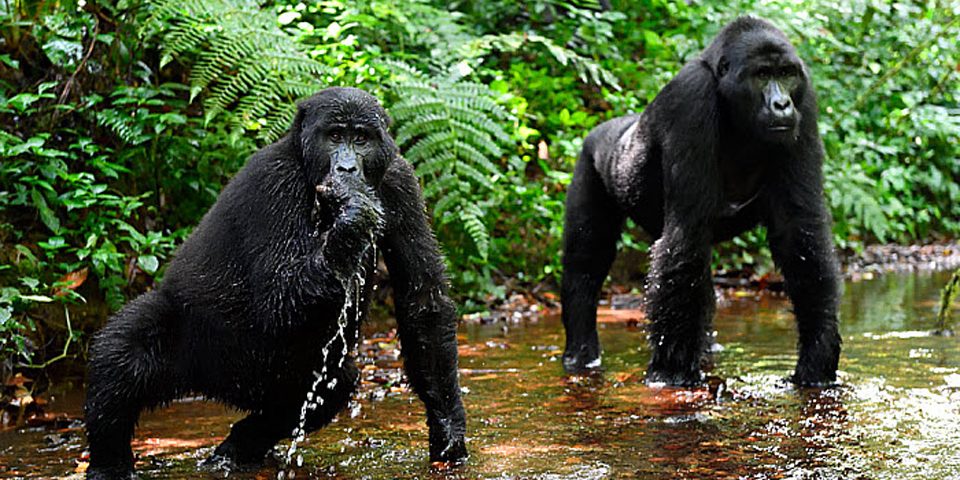
Bwindi Impenetrable National Park is one of Africa’s most iconic wildlife destinations and a UNESCO World Heritage Site located in southwestern Uganda along the edge of the Albertine Rift. Famous for its endangered mountain gorillas, Bwindi protects nearly half of the world’s remaining population, making it one of the best places on Earth for gorilla trekking. The park covers approximately 331 square kilometers of ancient montane and lowland rainforest, with dense vegetation, mist-covered hills, dramatic valleys, and thick undergrowth that give it the name “Impenetrable.”
Bwindi’s forest is estimated to be over 25,000 years old, making it one of Africa’s oldest and most biologically diverse ecosystems. Beyond gorillas, the park is home to over 120 mammal species, 350 bird species, and numerous butterflies, reptiles, and plant varieties. The terrain is rugged and mountainous, with altitudes ranging from 1,160 to 2,600 meters above sea level, offering breathtaking scenery and panoramic views at every turn.
Divided into four main trekking sectors — Buhoma, Ruhija, Rushaga, and Nkuringo — Bwindi offers different gorilla families and accommodation options suitable for budget, midrange, and luxury travelers. A visit here is not just a safari; it is a once-in-a-lifetime wildlife encounter combined with stunning rainforest landscapes and meaningful community interactions.
Things to Do
Gorilla Trekking
Gorilla trekking is the main highlight of Bwindi Impenetrable National Park and one of the most powerful wildlife experiences in the world. Accompanied by experienced rangers and trackers, visitors hike through dense rainforest, crossing hills and valleys in search of a habituated mountain gorilla family. The trek can take between 2 to 6 hours depending on the gorillas’ location, and once found, guests are allowed one unforgettable hour observing them at close range. Watching a silverback protect his family, mothers nursing infants, and young gorillas playing in the forest is an emotional and humbling encounter that creates lifelong memories.
Guided Forest Nature Walks
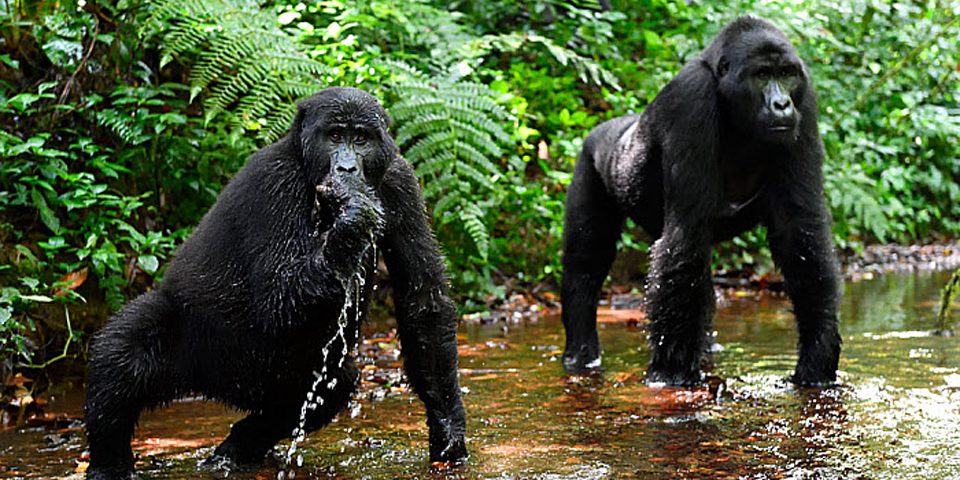
Bwindi’s ancient rainforest offers excellent guided nature walks through different trails within the park. Visitors explore waterfalls, scenic viewpoints, and thick jungle paths while learning about medicinal plants, unique tree species, butterflies, and smaller wildlife. Popular trails include waterfall hikes and hilltop walks that provide stunning panoramic views of the forest canopy and surrounding valleys. These walks are perfect for guests who want to experience the beauty of the rainforest beyond gorilla trekking
Bird Watching
Bwindi is a birding paradise with over 350 recorded bird species, including 23 Albertine Rift endemics. Guided birding excursions allow visitors to spot rare species such as the African green broadbill, Shelley’s crimsonwing, and the handsome francolin. The dense forest and varied altitude zones create ideal habitats for both forest and montane bird species. Birdwatching here is particularly rewarding for serious birders and nature photographers.
Batwa Cultural Experience
The Batwa Cultural Experience offers visitors the opportunity to learn about the indigenous Batwa pygmy community, who once lived within the forest before it became a protected national park. During this cultural tour, guests explore traditional forest survival techniques, listen to ancient stories, watch traditional dances, and gain insight into the Batwa way of life. This experience not only enriches your safari but also supports local community development initiativ
Community & Village Walks
Visitors can also take guided community walks in villages surrounding Bwindi to experience rural Ugandan life. Activities may include visiting local schools, banana plantations, coffee farms, craft markets, and women’s cooperatives. These interactions provide meaningful cultural exchange and allow travelers to understand how conservation tourism positively impacts local livelihoods.
You Might Also Like
Mgahinga Gorilla National Park
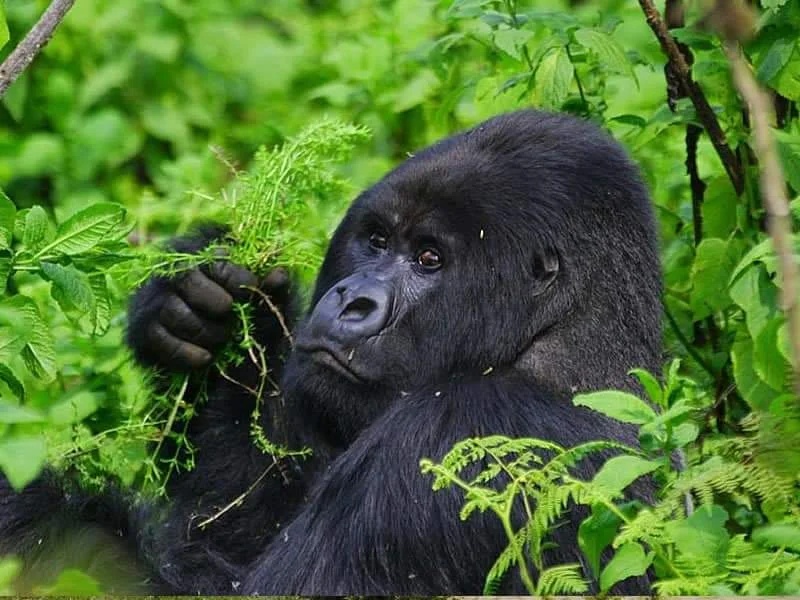
Nestled in the far southwestern corner of Uganda, Mgahinga Gorilla National Park is a breathtaking d...
Queen Elizabeth National Park
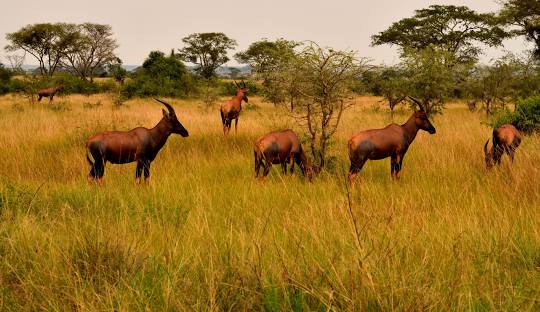
Queen Elizabeth National Park is a diverse wildlife reserve in Uganda known for its tree-climbing li...
Murchison Falls National Park
Uganda's largest and oldest conservation area, Murchison Falls National Park is a spectacular wilder...