Gorilla Trekking in Uganda – Complete Travel Guide
Experience unforgettable Gorilla Trekking in Uganda with expert insights on Bwindi and Mgahinga, gorilla permits, the best time to visit, trekking difficulty, rules, what to wear and essential travel tips for planning your journey.
Gorilla Trekking in Uganda – Experience Mountain Gorillas in the Wild
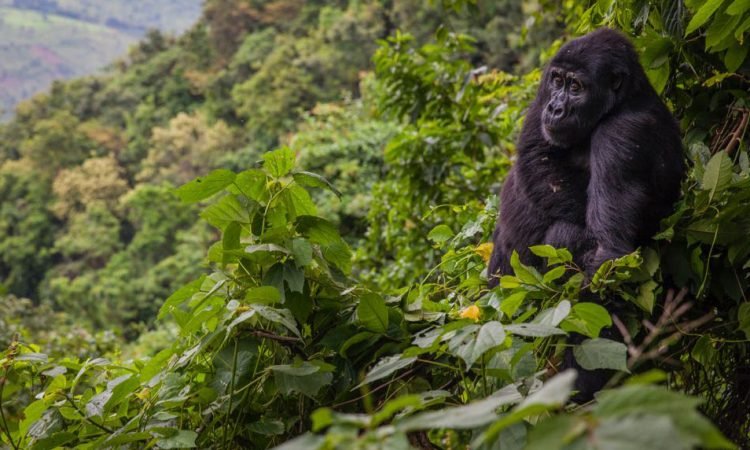
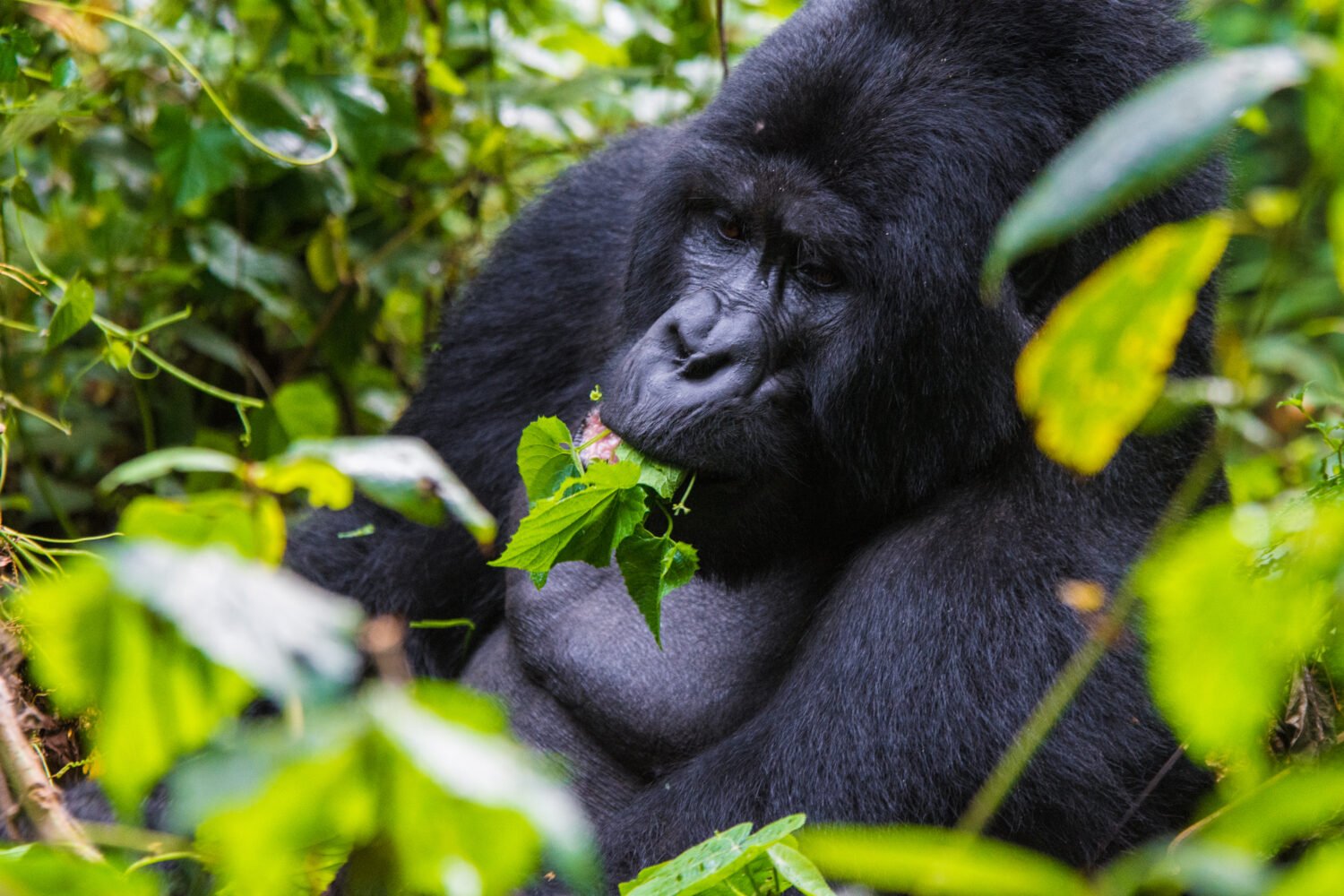
Gorilla Trekking in Uganda offers travelers the chance to enter some of East Africa’s most remarkable mountain forests and spend time with habituated mountain gorilla families in their natural habitat. The experience takes place in Bwindi Impenetrable National Park and Mgahinga Gorilla National Park, both located in southwestern Uganda. Each trek is led by experienced ranger guides who accompany visitors through the forest until the assigned gorilla family is located.
What makes Gorilla Trekking in Uganda especially rewarding is the combination of the gorilla encounter itself and the journey through the forest. The trek may pass through dense vegetation, steep hills, bamboo zones and mist-covered slopes, creating a sense of adventure before the gorillas are even found. Once the group reaches the gorillas, the encounter becomes the defining moment of the day, offering a rare opportunity to observe their behavior, family interactions and powerful presence at close range under the guidance of the ranger team.
This complete guide to Gorilla Trekking in Uganda is designed to help travelers understand every important part of the experience before booking. It covers where to trek, the differences between Bwindi and Mgahinga, gorilla permits, trekking difficulty, the best time to visit, what to wear, what to pack, trekking rules, starting from Kigali or Entebbe and how to plan the wider safari around the gorilla experience.
Where to Go for Gorilla Trekking in Uganda
Gorilla Trekking in Uganda takes place in two protected areas in the southwestern part of the country: Bwindi Impenetrable National Park and Mgahinga Gorilla National Park. Both destinations offer guided mountain gorilla encounters, but the landscapes, access routes, accommodation choices and overall safari atmosphere are different. Choosing between them often depends on your wider itinerary, available travel time and whether you are starting from Entebbe or Kigali.
Bwindi Impenetrable National Park
Bwindi is the best-known destination for Gorilla Trekking in Uganda and is included in many of the country’s most popular gorilla safari itineraries. The park is covered by dense tropical forest, steep ridges and deep valleys, creating a dramatic setting for the trek. It is also divided into different trekking areas, which makes proper planning important because your accommodation should ideally be located close to the sector linked to your permit.
Bwindi works especially well for travelers combining gorilla trekking with other destinations in western and southwestern Uganda. Queen Elizabeth National Park, Lake Bunyonyi, Kibale and other attractions can be connected naturally into a longer safari route. The area also offers a wide range of accommodation, from simpler lodges to high-end forest properties, making it suitable for different travel styles.
Mgahinga Gorilla National Park
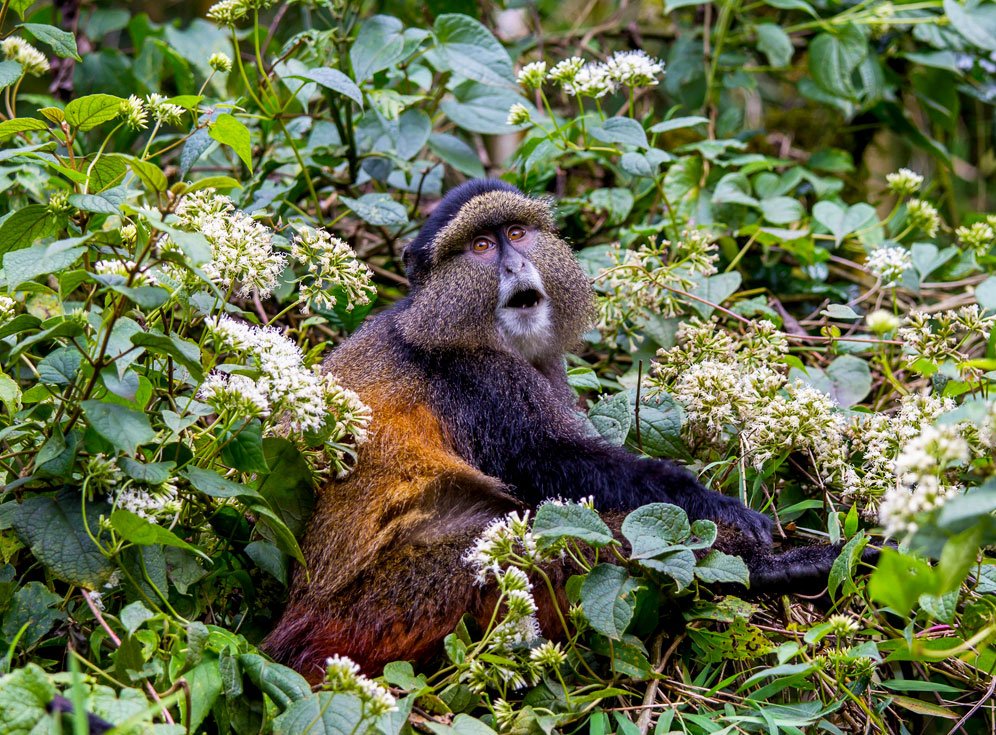
Mgahinga Gorilla National Park offers a different setting for Gorilla Trekking in Uganda, with forested slopes and views influenced by the wider Virunga volcanic landscape. The park has a more compact feel and is particularly attractive to travelers who want to combine gorilla trekking with golden monkey tracking or other activities around the Virunga mountains.
Mgahinga can also work very well for travelers entering Uganda from Kigali because of its location in the far southwest. This makes it a practical option for shorter gorilla trips or itineraries that combine Uganda and Rwanda. The surrounding scenery, quieter atmosphere and easy connection with nearby southwestern destinations make Mgahinga a strong alternative to Bwindi for the right itinerary.
Gorilla Trekking in Bwindi Impenetrable National Park
Gorilla trekking in Bwindi Impenetrable National Park is the best-known mountain gorilla experience in Uganda. The park protects a vast area of ancient rainforest in southwestern Uganda and provides several starting points for guided gorilla treks. Because the terrain is mountainous and heavily forested, every trekking day can feel different depending on the location of the assigned gorilla family, weather conditions and the route taken by the ranger team.
Bwindi is divided into different gorilla trekking sectors, including Buhoma, Ruhija, Rushaga and Nkuringo. The sector shown on your permit is important because it determines where you report for the morning briefing and strongly influences where you should stay the night before the trek. Choosing accommodation in the correct area can avoid unnecessarily long early-morning drives and makes the overall gorilla trekking experience much smoother.
The park also fits naturally into longer Uganda safari itineraries. Travelers can combine Bwindi gorilla trekking with wildlife viewing in Queen Elizabeth National Park, chimpanzee tracking in Kibale, relaxation around Lake Bunyonyi or additional experiences across southwestern Uganda. This flexibility, together with the range of accommodation available around the different trekking areas, makes Bwindi especially suitable for both short gorilla trips and more complete Uganda safari journeys.
Gorilla Trekking in Mgahinga Gorilla National Park
Gorilla trekking in Mgahinga Gorilla National Park offers a more compact and scenic mountain experience in the far southwest of Uganda. The park forms part of the wider Virunga landscape and is characterized by forested slopes, bamboo zones and dramatic volcanic scenery. For travelers looking for Gorilla Trekking in Uganda in a quieter setting, Mgahinga can be an excellent alternative to Bwindi.
One of the strongest reasons to include Mgahinga in a gorilla trekking itinerary is the possibility of combining the experience with golden monkey tracking. This gives travelers the chance to enjoy two different primate encounters within the same park and makes Mgahinga particularly attractive for short, focused safari journeys.
Mgahinga also works very well for travelers starting from Kigali because of its location close to the Rwanda border. This can make the route more practical for shorter two-, three- or four-day itineraries. It can also be included in wider Uganda and Rwanda combinations, depending on the travel plan and available time.
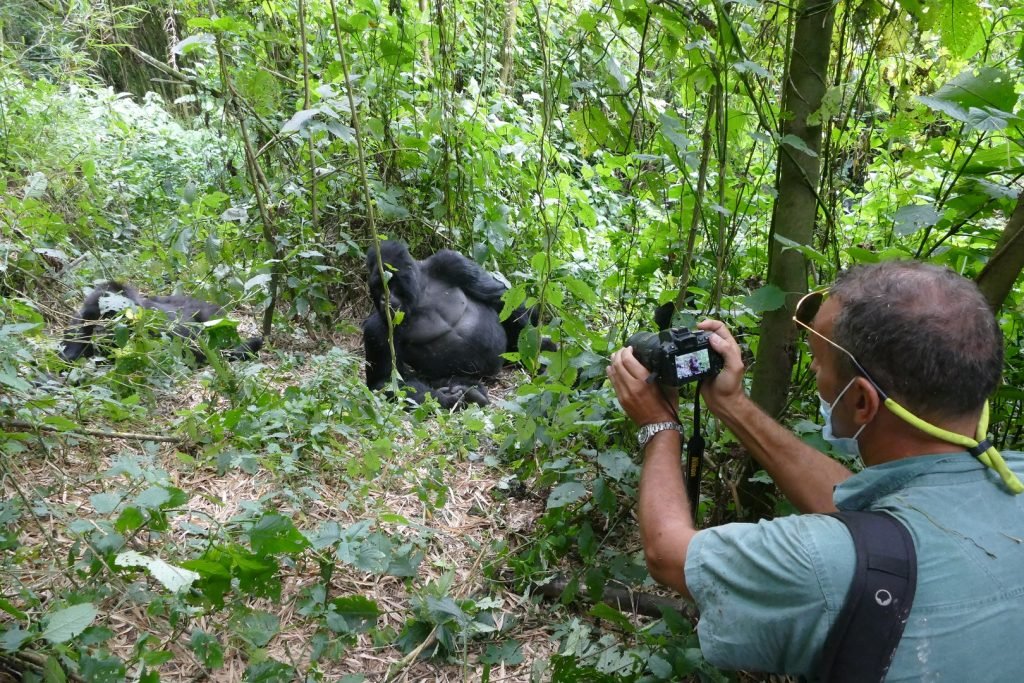
Bwindi vs Mgahinga Gorilla Trekking in Uganda
Both Bwindi Impenetrable National Park and Mgahinga Gorilla National Park offer rewarding mountain gorilla experiences, but they suit different travel styles. The best choice often depends on your route, available time, preferred scenery and the other experiences you want to include.
| Comparison | Bwindi Impenetrable National Park | Mgahinga Gorilla National Park |
|---|---|---|
| Overall Experience | Uganda’s most established gorilla trekking destination with several trekking areas and many itinerary options. | A more compact gorilla trekking experience within the dramatic Virunga mountain landscape. |
| Landscape | Dense tropical rainforest, steep ridges, valleys and thick vegetation. | Bamboo forest, montane vegetation and volcanic mountain scenery. |
| Trekking Areas | Buhoma, Ruhija, Rushaga and Nkuringo. | Gorilla trekking is concentrated within one smaller national park area. |
| Accommodation Choice | Wide selection of affordable, midrange, luxury and high-end forest lodges. | Smaller accommodation selection, with additional options around nearby Kisoro. |
| Best For | Travelers wanting more route flexibility, lodge choice and longer Uganda safari combinations. | Travelers looking for a quieter mountain setting or shorter southwest Uganda itinerary. |
| Starting From Kigali | Works well, particularly for southern Bwindi sectors such as Rushaga and Nkuringo. | Very convenient for itineraries entering Uganda through the Kigali–Kisoro route. |
| Starting From Entebbe | Excellent for longer circuits through western Uganda. | Usually works best when incorporated into a wider southwestern Uganda itinerary. |
| Additional Primate Experience | Gorilla trekking is the primary attraction, with cultural and forest activities also available around the park. | Particularly attractive for combining gorilla trekking with golden monkey tracking. |
| Safari Combinations | Easily combined with Queen Elizabeth National Park, Lake Bunyonyi, Kibale and other western Uganda destinations. | Works well with Lake Bunyonyi, Kisoro, Bwindi and Rwanda extensions. |
| Atmosphere | Larger, more varied and busier depending on the trekking sector. | Smaller, scenic and often feels more intimate and mountain-focused. |
| Trip Length | Suitable for both short gorilla trips and longer multi-park safaris. | Particularly good for short gorilla and golden monkey combinations. |
| Which Should You Choose? | Choose Bwindi if you want maximum flexibility, lodge choice and safari combinations. | Choose Mgahinga if you prefer Virunga scenery, golden monkeys or a compact route from Kigali. |
Which Is Better for Gorilla Trekking in Uganda?
There is no single winner between Bwindi and Mgahinga. Bwindi is usually the better choice for travelers wanting greater flexibility, more accommodation options and easy combinations with wildlife or chimpanzee destinations. Mgahinga is especially attractive for travelers who value volcanic scenery, golden monkey tracking and shorter routes from Kigali.
The final decision should also consider gorilla permit availability, your arrival airport and the location of the other destinations on your itinerary. Calm Africa Safaris can help match the trekking area with the most practical route and accommodation plan.
Help Me Choose the Best Gorilla Trekking AreaUganda Gorilla Trekking Permits – Cost, Booking and Availability
A gorilla trekking permit is mandatory for anyone taking part in Gorilla Trekking in Uganda. The permit allows you to join an officially guided trek to a habituated mountain gorilla family in Bwindi Impenetrable National Park or Mgahinga Gorilla National Park. Because permits are issued for specific trekking dates, it is best to confirm the permit before finalizing accommodation and the wider safari itinerary.
The current standard Uganda gorilla trekking permit rates are US$800 for foreign non-residents, US$700 for foreign residents, US$500 for Rest of Africa visitors and UGX 300,000 for East African citizens. Uganda also offers discounted low-season permit rates during April, May and November, with selected categories paying reduced rates during these months.
Permit availability is especially important when trekking in Bwindi because the trekking sector affects where you should stay. Bwindi has several gorilla trekking sectors, and choosing accommodation close to the correct sector helps avoid unnecessary early-morning transfers. For this reason, the permit, trekking area and lodge should ideally be planned together.
Gorilla permits are secured upon full payment at the time of booking, which makes early confirmation important, particularly during popular travel periods. Travelers planning Gorilla Trekking in Uganda should therefore decide on their preferred travel dates as early as possible before the most suitable trekking dates become unavailable.
Calm Africa Safaris can help check gorilla permit availability, identify the most practical trekking area and match the permit with suitable accommodation and the wider safari route. This makes the planning process easier whether you are trekking in Bwindi, Mgahinga or combining gorilla trekking with other destinations in Uganda.
Uganda Gorilla Trekking Permit Summary
Use this quick table to compare the main Uganda gorilla permit categories, current standard rates and important booking details.
| Permit Category | Standard Rate | Low-Season Rate | Important Note |
|---|---|---|---|
| Foreign Non-Resident | US$800 | US$600 | Low-season rate applies in April, May and November. |
| Foreign Resident | US$700 | US$500 | Low-season rate applies in April, May and November. |
| Rest of Africa | US$500 | — | Standard permit rate applies unless otherwise advised. |
| East African Citizen | UGX 300,000 | — | Citizen identification requirements apply. |
Gorilla permits are issued for a specific trekking date.
Low-season permits apply during April, May and November and cannot be rescheduled.
In Bwindi, your permit sector should be matched carefully with your accommodation location.
Permits are secured upon full payment at the time of booking.
How Gorilla Trekking in Uganda Works – From Briefing to the Gorilla Encounter
This is the natural next step after permits because the reader now knows where to trek and how permits work. Next, we explain what actually happens on trekking day.
I would structure it in normal plain text under these small subheadings:
Morning Briefing
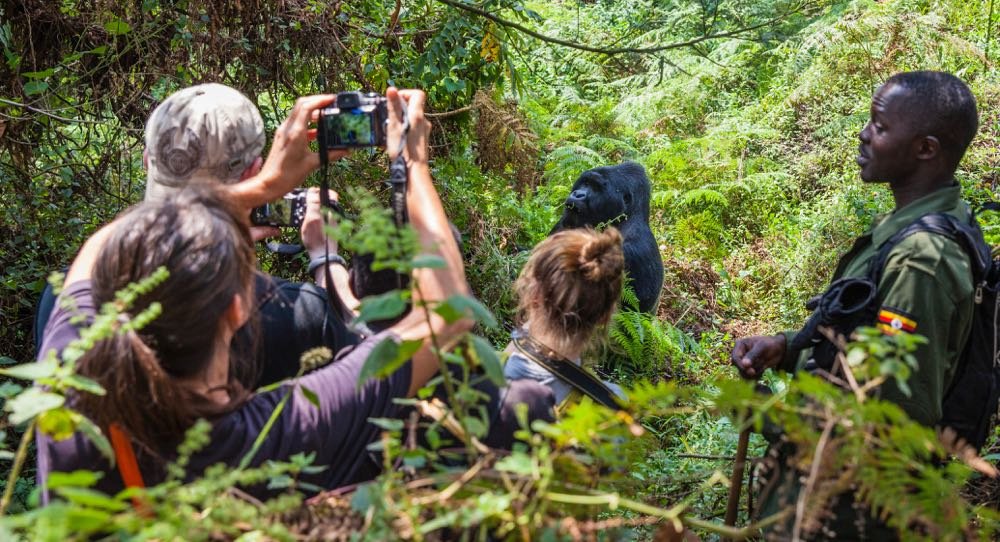
Travelers report to the designated park headquarters early in the morning for registration, a ranger briefing and assignment to a gorilla trekking group.
Gorilla Group Assignment
Visitors are placed into trekking groups and assigned a habituated gorilla family. The assignment can consider factors such as fitness, age and the expected location of the gorillas.
Entering the Forest
The trek begins with experienced ranger guides and trackers. Depending on where the gorillas are located, the walk can take anywhere from a relatively short period to several hours through forest, hills and uneven terrain.
Finding the Gorillas
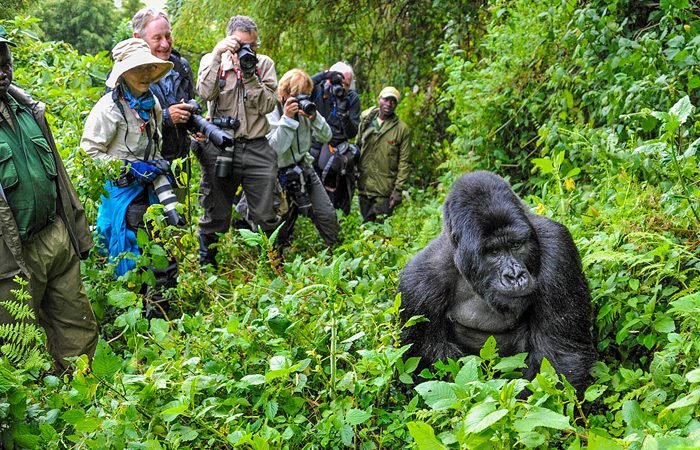
Once the gorilla family is located, the ranger team guides visitors into position and explains how to behave around the animals.
Time With the Gorillas
During standard Gorilla Trekking in Uganda, visitors are normally allowed up to one hour with the habituated gorilla family. This is the main experience, allowing time to observe feeding, movement, social interaction and family behavior.
Returning From the Trek
After the encounter, the group leaves the gorillas and walks back through the forest to the starting area. The full trekking day can therefore vary considerably depending on the location of the gorillas and forest conditions.
How Difficult Is Gorilla Trekking in Uganda?
The difficulty of Gorilla Trekking in Uganda can vary considerably from one trekking day to another. Mountain gorillas move freely through the forest, so their location on the day of the trek affects how far visitors may need to walk. Some groups may be found relatively close to the starting point, while others may require several hours of hiking through dense vegetation, steep slopes and uneven forest terrain.
Bwindi Impenetrable National Park is particularly known for its hilly landscape, and some trekking sectors can involve demanding climbs and descents. Mgahinga also has mountainous terrain, although the character of the trek is different because of the park’s volcanic landscape and bamboo vegetation. Rain can make forest paths muddy and slippery, which can increase the physical challenge even when the walking distance is not especially long.
A reasonable level of fitness is helpful, but travelers do not need to be highly athletic to enjoy gorilla trekking. Walking regularly before the safari, using stairs or hills and becoming comfortable with several hours of steady movement can make the experience easier. It is also important to wear supportive hiking footwear and carry enough drinking water for the trek.
Porters are available at the trekking areas and can be extremely helpful, particularly on steeper or longer routes. A porter can carry your daypack, water and other belongings while also assisting on difficult sections of the trail. Many travelers find that using a porter allows them to conserve energy and enjoy the forest experience more comfortably.
Older travelers and visitors who are concerned about mobility should discuss this when planning their Gorilla Trekking in Uganda experience. Although the exact location of the gorillas cannot be guaranteed in advance, the ranger team may take general fitness and mobility into consideration when organizing trekking groups. Choosing the right itinerary, allowing enough rest time and staying close to the briefing point can also make the overall experience easier.
Best Time for Gorilla Trekking in Uganda
The best time for Gorilla Trekking in Uganda is generally during the drier periods, especially from June to August and December to February. During these months, forest trails are usually easier to manage, rainfall is lower and trekking conditions tend to be more comfortable, particularly in the steep terrain of Bwindi and the mountainous areas of Mgahinga.
Gorilla trekking is still possible during the wetter months, but the trails can become muddy and slippery. Travelers visiting during these periods should be prepared with strong hiking boots, rain protection and a little more flexibility. The forests are especially green and lush during the rainy season, which can make the scenery very rewarding despite the more challenging walking conditions.
The drier months are also a good choice for travelers combining gorilla trekking with other Uganda safari experiences. It is easier to include destinations such as Queen Elizabeth National Park, Kibale National Park and Lake Mburo when road and trail conditions are generally more favorable.
The wetter months can still be attractive for travelers who prefer quieter travel periods and are comfortable with more demanding trekking conditions. Gorilla trekking continues throughout the year, and the experience can still be excellent with the right preparation.
For most visitors, the best time ultimately depends on personal priorities. If easier trail conditions are the main concern, the drier months are usually the better option. If fewer visitors, greener landscapes and greater travel flexibility matter more, the wetter periods can still provide a highly rewarding Gorilla Trekking in Uganda experience.
What to Wear for Gorilla Trekking in Uganda
Wearing the right clothing can make Gorilla Trekking in Uganda much more comfortable, especially because the forest can be wet, muddy, humid and uneven. Lightweight outdoor clothing that protects the arms and legs is usually the best choice, as it helps reduce scratches from vegetation and offers some protection from insects.
A good pair of waterproof hiking boots with strong grip is one of the most important items to wear. Trails in Bwindi and Mgahinga can become slippery, particularly after rain, so ordinary trainers may not provide enough support. Long trousers are also recommended, and many travelers prefer to tuck them into their socks to reduce exposure to insects and vegetation along the trail.
A long-sleeved shirt or lightweight hiking top is useful for protecting the arms while moving through dense forest. Because weather conditions can change quickly in the mountains, it is also sensible to carry a light waterproof jacket or rain poncho even when the morning begins dry.
Gardening or lightweight trekking gloves can be helpful when holding onto branches, vegetation or the ground for balance on steeper sections. A hat can provide additional protection from sun and light rain, while breathable clothing helps keep you comfortable during longer periods of walking.
Avoid wearing very heavy clothing unless temperatures are unusually cool. Layering is generally more practical because you can remove or add clothing as conditions change during the trek. Neutral and earthy colors such as green, brown, beige or grey are also more suitable for a forest environment than very bright colors.
What to Pack for Gorilla Trekking in Uganda
Packing well can make Gorilla Trekking in Uganda much easier and more enjoyable, especially because trekking conditions can change quickly in the forests of Bwindi and Mgahinga. A small, comfortable daypack is ideal for carrying the essentials without adding unnecessary weight during the trek.
Carry enough drinking water for the day, particularly if the trek becomes longer than expected. Light snacks can also be useful, especially for travelers who may spend several hours in the forest before reaching the gorillas. It is best to keep food packed securely and only use it when advised by the ranger team.
A light rain jacket or poncho should always be included because rain can fall unexpectedly even during drier months. A waterproof cover for your daypack is also helpful for protecting cameras, phones, documents and other personal items.
Bring a camera or phone with enough battery power and storage space for photographs. Spare batteries or a compact power bank can be useful on longer trekking days. Flash photography should not be used around the gorillas, so travelers should be comfortable adjusting their camera settings for natural light.
Insect repellent, sunscreen and basic personal medication are useful additions to the daypack. Travelers who use prescription medication should carry what they may need during the trekking day rather than leaving it at the lodge.
Lightweight gardening or trekking gloves can help protect the hands when holding vegetation or using the ground for support on steeper sections. A walking stick may also be useful, and these are often available around the trekking starting points.
Binoculars are optional but can add value for travelers interested in birds and other wildlife encountered along the forest trail. The main goal is to pack light while carrying enough to stay comfortable, dry and prepared throughout the trek.
Gorilla Trekking Rules in Uganda
Following the official trekking rules is an important part of Gorilla Trekking in Uganda because the experience takes place around wild mountain gorillas that are closely protected. Visitors are expected to follow ranger instructions throughout the trek, from the morning briefing to the final moments with the gorilla family.
A safe distance should be maintained from the gorillas whenever possible. Rangers position visitors carefully and will advise when to move, stop or remain still. Gorillas may occasionally move closer on their own, so travelers should stay calm and follow the ranger’s direction rather than trying to approach or touch them.
Visitors should keep noise levels low during the encounter. Sudden movements, shouting and unnecessary disturbance should be avoided so the gorillas can continue their natural behavior. The experience is best enjoyed quietly while observing feeding, movement, social interaction and family behavior.
Flash photography should not be used around the gorillas. Cameras and phones should be prepared in advance so photographs can be taken without disturbing the animals. Travelers should also avoid blocking the ranger team or moving away from the assigned viewing position simply to get a better photograph.
Anyone who feels unwell, particularly with symptoms of a contagious illness, should inform the safari team or park authorities before trekking. Mountain gorillas are vulnerable to human diseases, so protecting their health is a major part of responsible gorilla tourism.
Food and drinks should not be consumed close to the gorillas. Any snacks should remain packed away while observing the group, and all rubbish must be carried out of the forest. Visitors should leave the trekking environment exactly as they found it.
The ranger team has the final authority during every gorilla trek. Instructions may change depending on the behavior of the gorillas, forest conditions or safety considerations, so travelers should remain attentive and cooperative throughout the experience
Gorilla Trekking Age Limit in Uganda
The minimum age for Gorilla Trekking in Uganda is generally 15 years. This applies to gorilla trekking experiences in both Bwindi Impenetrable National Park and Mgahinga Gorilla National Park. The age restriction is intended to help protect the gorillas and ensure that participants are physically and emotionally able to follow ranger instructions during the trek.
Families traveling with children younger than 15 can still enjoy a Uganda safari together, but younger children will need alternative activities while eligible family members join the gorilla trek. Depending on the itinerary, this may include nature walks, community experiences, cultural visits, time at the lodge or other family-friendly activities arranged around the trekking day.
When planning a family safari, it is important to consider the ages of all travelers before purchasing gorilla permits. This allows the itinerary to be designed properly so that younger children are not left without suitable arrangements while other family members are trekking.
Calm Africa Safaris can help organize family-friendly itineraries that combine Gorilla Trekking in Uganda for eligible travelers with alternative activities for younger children, allowing the whole family to enjoy the wider safari experience comfortably.
Gorilla Trekking From Kigali
Starting from Kigali can be a practical choice for shorter gorilla trekking trips because the route into southwestern Uganda is relatively direct. This option works especially well for travelers planning a compact itinerary focused mainly on Bwindi or Mgahinga, or for those combining Uganda with time in Rwanda.
The journey from Kigali also suits travelers who prefer to reduce the amount of overland travel within Uganda. Depending on the trekking area and border route used, it can be easier to build a short two-, three- or four-day gorilla experience around a Kigali arrival.
Gorilla Trekking From Entebbe
Starting from Entebbe is usually the better option for travelers who want a broader Uganda safari. From Entebbe, Gorilla Trekking in Uganda can be combined naturally with destinations such as Kibale National Park, Queen Elizabeth National Park, Lake Mburo and other parts of western Uganda.
This route generally requires more travel time than starting from Kigali, but it gives travelers the chance to experience a much wider section of the country rather than focusing only on the gorilla region.
Which Starting Point Is Better?
Kigali is usually more convenient for short gorilla trekking itineraries, while Entebbe is often better for longer Uganda safari circuits. The best choice depends on your flight schedule, total trip length and the other destinations you want to include.
Combine Gorilla Trekking in Uganda With Other Experiences
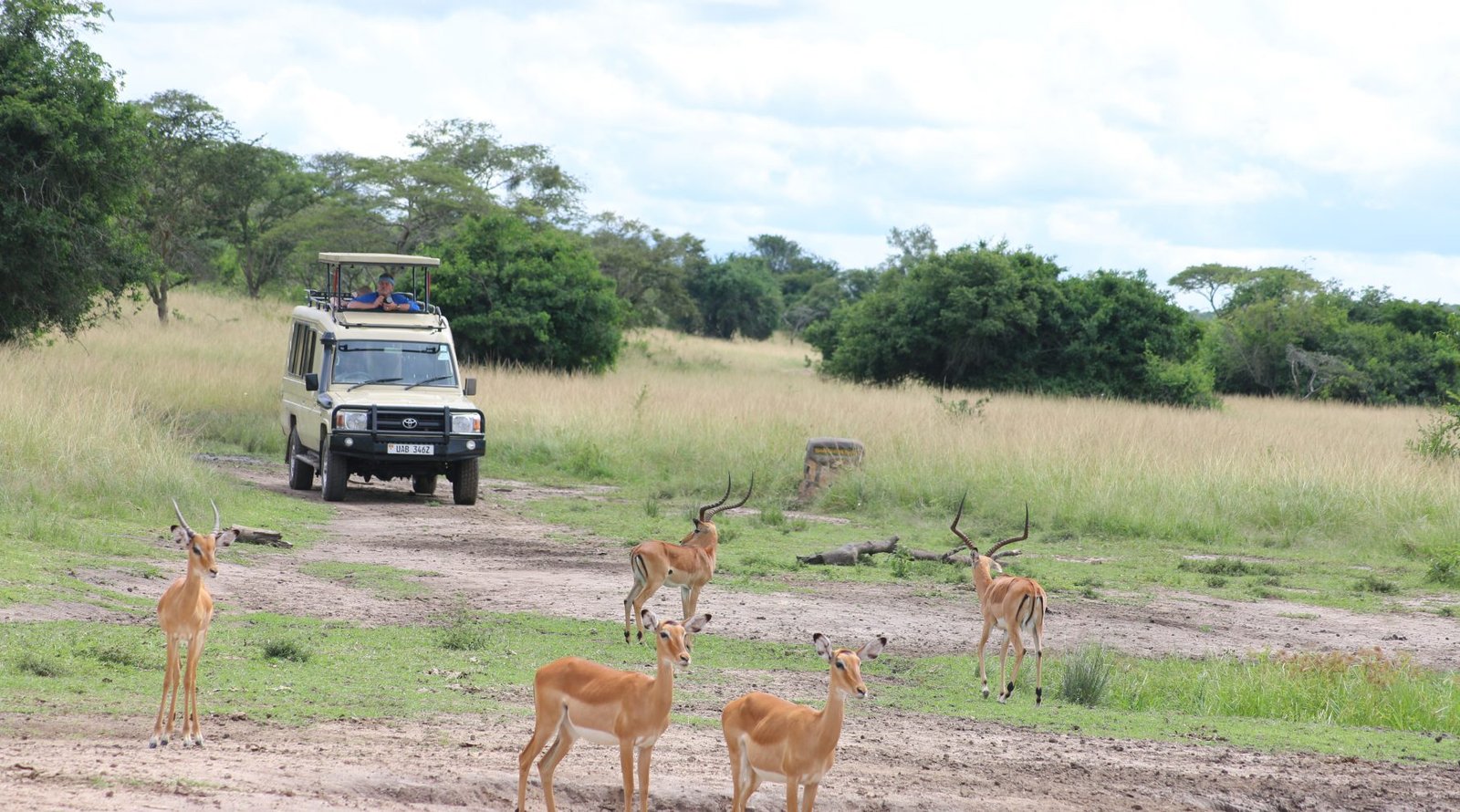
Gorilla Trekking in Uganda can easily be combined with other rewarding experiences to create a more complete safari. Travelers can pair the gorilla trek with chimpanzee tracking in Kibale, wildlife and boat safaris in Queen Elizabeth National Park, golden monkey tracking in Mgahinga, relaxation at Lake Bunyonyi, wildlife experiences in Lake Mburo or cultural visits around southwestern Uganda. For travelers using Kigali, it is also easy to add a Rwanda extension, making the gorilla encounter the central highlight of a broader East African journey.
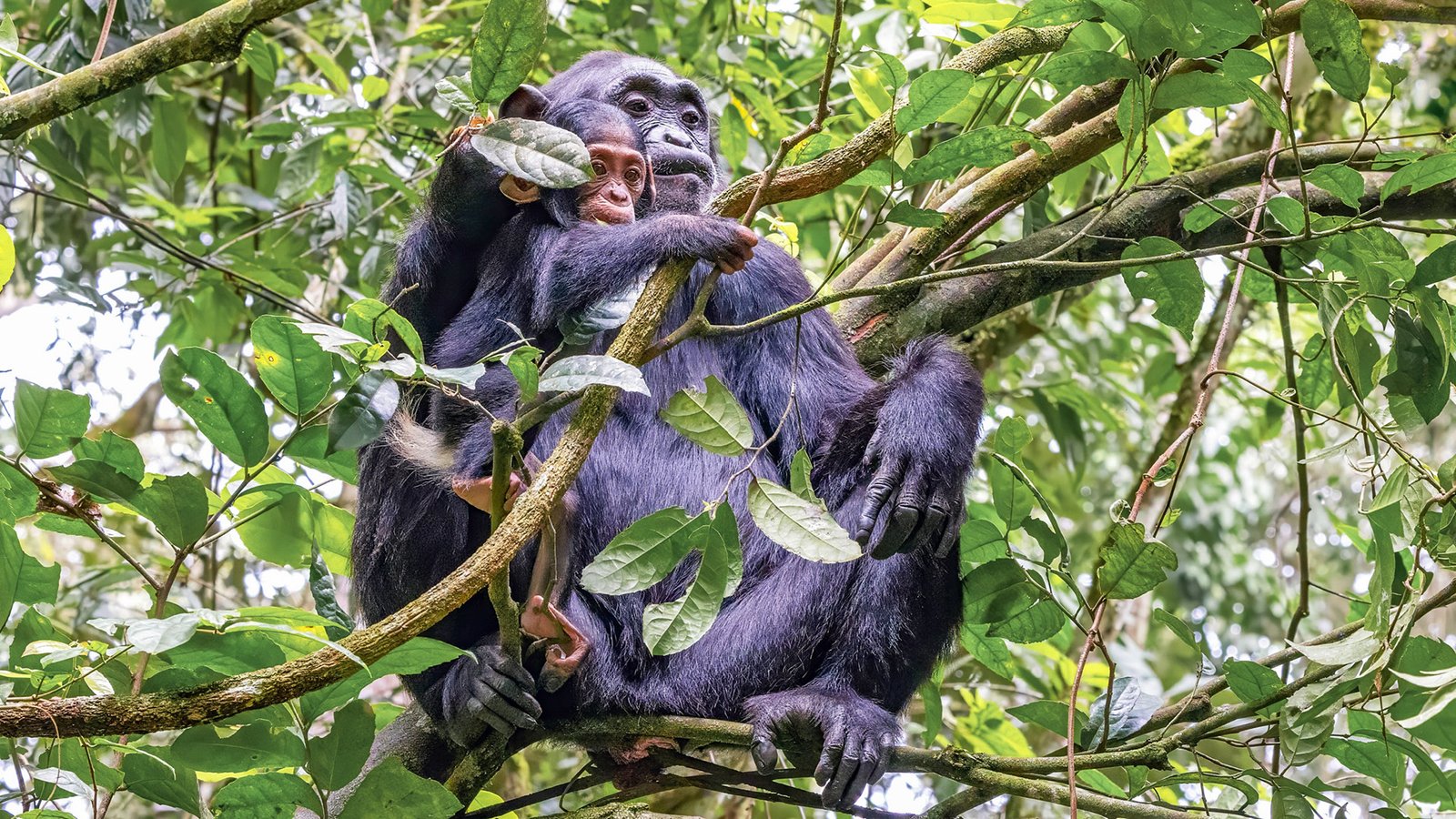
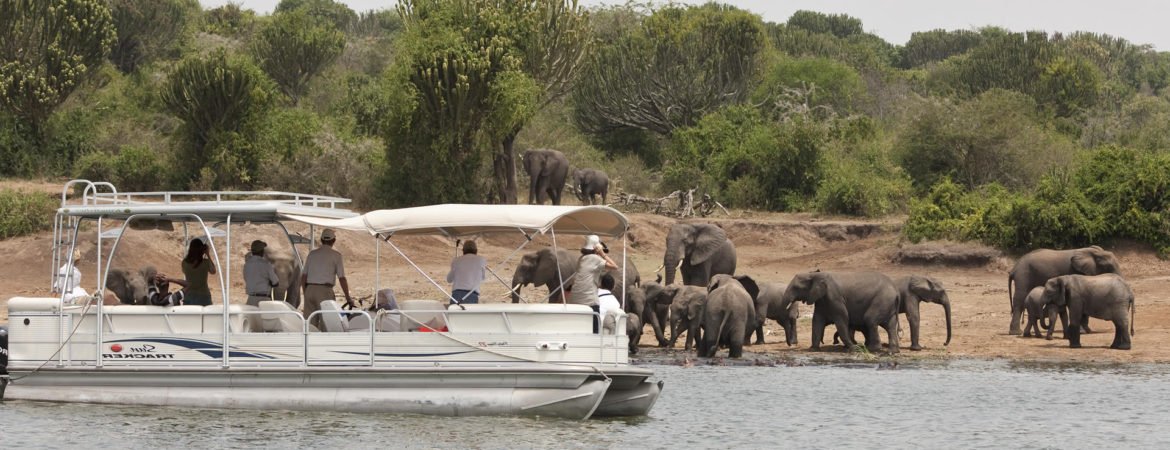
Where to Stay for Gorilla Trekking in Uganda
Where you stay for Gorilla Trekking in Uganda should be matched carefully to the trekking area on your permit, especially in Bwindi, where the main sectors include Buhoma, Ruhija, Rushaga and Nkuringo. In Buhoma, well-known choices include Bwindi Lodge, Sanctuary Gorilla Forest Camp and Mahogany Springs; in the southern Bwindi area, travelers often consider Clouds Mountain Gorilla Lodge, Nkuringo Bwindi Gorilla Lodge and Four Gorillas Lodge. For Mgahinga, Mount Gahinga Lodge is one of the best-known properties and sits close to the park, while additional options are available around Kisoro. The most important factor is not simply choosing the nicest lodge, but selecting one that fits your confirmed trekking location, budget and wider safari route so you avoid unnecessarily long early-morning transfers.


Gorilla Trekking in Uganda Frequently Asked Questions
1. Where can I go gorilla trekking in Uganda?
Gorilla Trekking in Uganda takes place in Bwindi Impenetrable National Park and Mgahinga Gorilla National Park, both located in southwestern Uganda. Bwindi has several trekking sectors, while Mgahinga offers a more compact experience within the Virunga mountain landscape.
2. How much is a gorilla trekking permit in Uganda?
The standard permit rate is currently US$800 for foreign non-residents, US$700 for foreign residents, US$500 for Rest of Africa visitors and UGX 300,000 for East African citizens. Selected low-season rates may apply during April, May and November.
3. What is the minimum age for Gorilla Trekking in Uganda?
The minimum age is generally 15 years. Families traveling with younger children can arrange alternative activities while eligible family members take part in the trek.
4. How long does gorilla trekking take?
The duration varies because mountain gorillas move freely through the forest. Some treks may be relatively short, while others can take several hours depending on the location of the gorilla family and trail conditions.
5. How difficult is Gorilla Trekking in Uganda?
Difficulty varies from moderate to demanding. Bwindi and Mgahinga both have hilly terrain, and rain can make trails muddy or slippery. A reasonable level of fitness and suitable hiking footwear are recommended.
6. How much time do you spend with the gorillas?
During a standard gorilla trekking experience, visitors are normally allowed up to one hour with the habituated gorilla family once it has been located.
7. Is Bwindi or Mgahinga better for gorilla trekking?
Bwindi is usually better for travelers wanting more trekking-area choices, accommodation options and safari combinations. Mgahinga is attractive for travelers interested in Virunga scenery, golden monkeys and shorter routes from Kigali.
8. What is the best time for Gorilla Trekking in Uganda?
Gorilla trekking is available throughout the year, but June to August and December to February are generally preferred because conditions tend to be drier. Wetter months can still provide excellent experiences but may involve muddier trails.
9. What should I wear for gorilla trekking?
Wear waterproof hiking boots, long trousers, a long-sleeved shirt and lightweight rain protection. Trekking or gardening gloves can also be useful when moving through thick vegetation or balancing on steep trails.
10. What should I pack for a gorilla trek?
Useful items include drinking water, light snacks, a rain jacket, camera, spare batteries, insect repellent, sunscreen, gloves and any personal medication you may need during the trek.
11. Can I take photographs of the gorillas?
Yes. Photography is permitted, but flash photography should not be used around the gorillas. Visitors should also follow ranger instructions regarding positioning and movement.
12. Can I go gorilla trekking if I am sick?
Travelers who are unwell, particularly with symptoms of a contagious illness, should inform the safari team or park authorities. Mountain gorillas are vulnerable to some human illnesses, so their health must be protected.
13. Can older travelers go gorilla trekking in Uganda?
Yes. Many older travelers successfully take part in gorilla trekking. The wider safari can be planned at a gentler pace, and porters can be hired to assist with bags and difficult sections of the trail.
14. Should I hire a porter for gorilla trekking?
Hiring a porter can make the trek more comfortable. Porters can carry your daypack, water and other belongings while also offering assistance on steep or slippery sections.
15. Can I start Gorilla Trekking in Uganda from Kigali?
Yes. Kigali is a practical starting point for shorter gorilla trekking trips to Bwindi or Mgahinga and works especially well for travelers planning two-, three- or four-day itineraries.
16. Can I start from Entebbe?
Yes. Entebbe is usually better for longer Uganda safari itineraries because gorilla trekking can be combined with Kibale, Queen Elizabeth National Park, Lake Mburo and other destinations along the route.
17. Can I combine gorilla trekking with other safari experiences?
Yes. Gorilla trekking can be combined with chimpanzee tracking in Kibale, wildlife and boat safaris in Queen Elizabeth National Park, golden monkey tracking in Mgahinga, Lake Bunyonyi, Lake Mburo and Rwanda extensions.
18. Where should I stay for gorilla trekking in Uganda?
Accommodation should be matched carefully to the trekking area shown on your permit. In Bwindi, examples include Bwindi Lodge, Sanctuary Gorilla Forest Camp, Mahogany Springs, Clouds Mountain Gorilla Lodge, Nkuringo Bwindi Gorilla Lodge and Four Gorillas Lodge. Around Mgahinga, Mount Gahinga Lodge is one of the well-known options.
19. How early should I book a gorilla permit?
It is best to secure the permit as soon as your travel dates are reasonably certain, especially for popular travel periods. Permit availability can become limited, and the confirmed trekking location also helps determine where you should stay.
20. Can Calm Africa Safaris arrange my gorilla trekking trip?
Yes. Calm Africa Safaris can help coordinate permit availability, accommodation, private safari transport and the wider itinerary, whether you are starting from Kigali, Entebbe or combining gorilla trekking with other Uganda safari experiences.