Rwenzori Mountains National Park
Trek through dramatic mountain landscapes, misty valleys, unique Afro-alpine vegetation and high-altitude wilderness on one of Uganda’s most extraordinary mountain adventures.
Explore Rwenzori Mountains National Park
Rwenzori Mountains National Park is one of Uganda’s most spectacular wilderness destinations, famous for its dramatic mountain scenery, high-altitude trekking, glacial landscapes, waterfalls, alpine lakes and extraordinary vegetation. Located in western Uganda along the border with the Democratic Republic of Congo, the park protects the central section of the Rwenzori mountain range and forms part of one of Africa’s most distinctive highland ecosystems. For travellers interested in trekking, mountaineering, photography and remote landscapes, the Rwenzoris offer an experience that is completely different from Uganda’s traditional wildlife safaris.
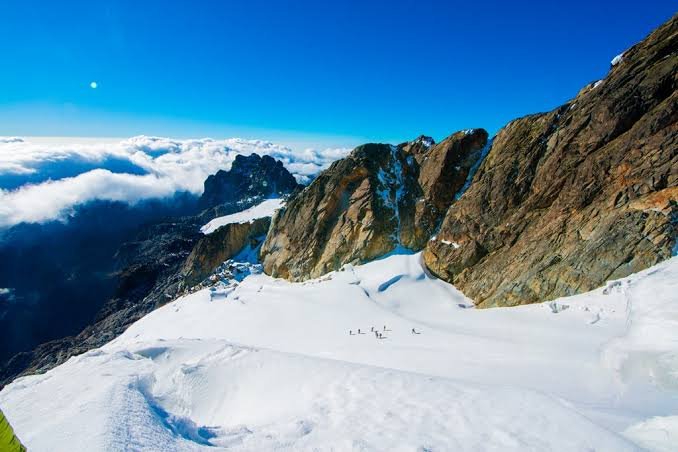
The park is home to Mount Stanley and Margherita Peak, which rises to 5,109 metres above sea level and is recognised as Africa’s third-highest summit. The wider mountain landscape includes glaciers, steep valleys, rocky peaks, waterfalls and high-altitude lakes, creating a remarkably varied environment within a relatively compact area. UNESCO recognises Rwenzori Mountains National Park as a World Heritage Site because of its exceptional natural beauty, unusual alpine vegetation and important mountain ecosystems.
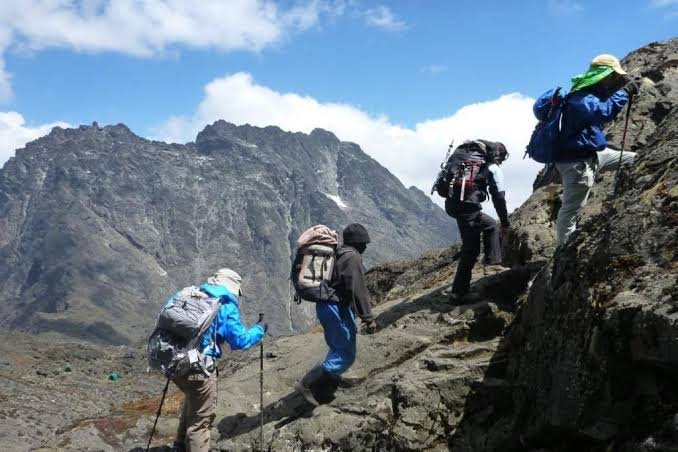
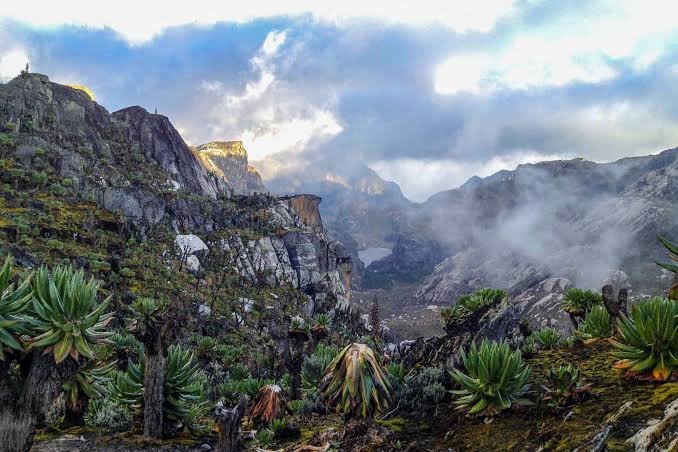
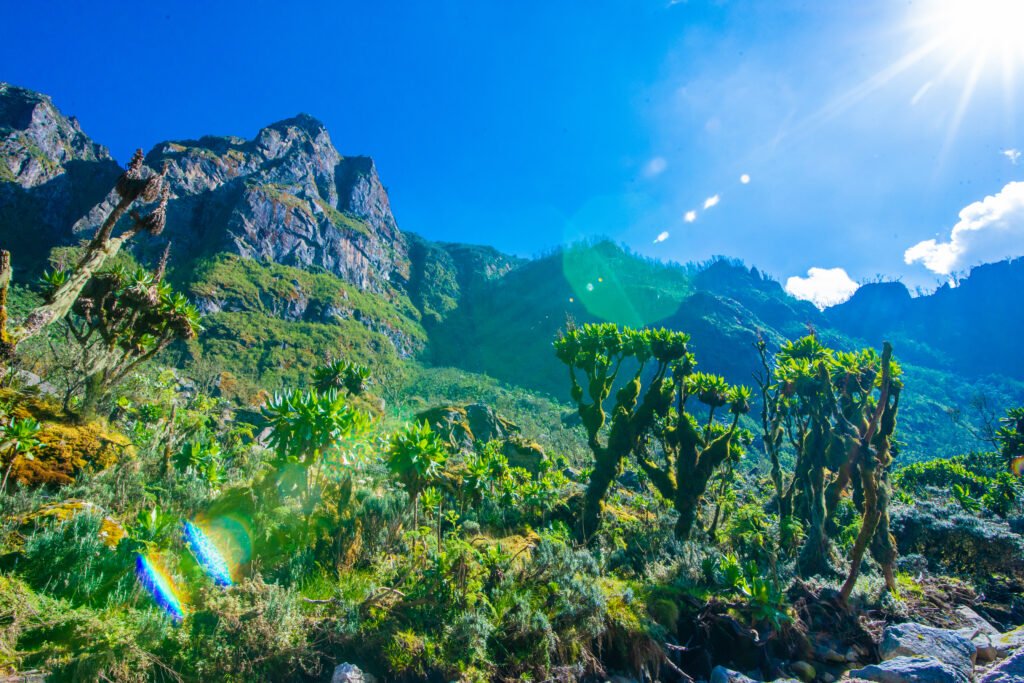
One of the most remarkable features of the Rwenzori Mountains is the dramatic change in vegetation as trekkers gain altitude. Lower slopes are characterised by montane forests, while higher elevations introduce bamboo zones, giant heathers, moorlands and unusual Afro-alpine vegetation. At the highest elevations, the landscape becomes increasingly rocky and glaciated. These changing ecological zones make trekking through the park feel like travelling through several completely different environments in a single journey.
A visit to Rwenzori Mountains National Park does not necessarily require climbing to Margherita Peak. Travellers can choose between demanding multi-day summit expeditions and shorter mountain hikes, making the Rwenzoris accessible to different levels of adventure travellers.
A visit to Rwenzori Mountains National Park does not necessarily require climbing to Margherita Peak. While experienced trekkers can undertake multi-day expeditions to the highest summits, shorter hikes are also available for travellers who want to experience the mountain scenery without attempting a technical summit climb. These shorter routes can introduce visitors to forest trails, waterfalls, viewpoints, rivers and lower-altitude vegetation while still providing a genuine experience of the Rwenzori landscape.
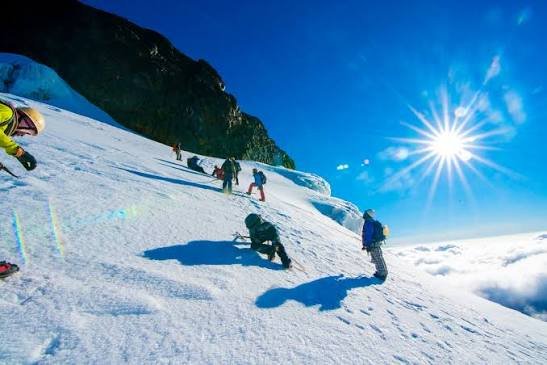
For serious adventure travellers, trekking in the Rwenzoris can become one of the highlights of an African journey. Multi-day routes take hikers deep into the mountains, passing through remote valleys, high-altitude camps, boggy moorlands and dramatic alpine terrain. Weather conditions can change quickly, and the terrain can be physically demanding, making preparation, proper equipment and experienced guides particularly important. The reward is access to some of the most dramatic mountain scenery found anywhere in East Africa.
Rwenzori Mountains National Park also has considerable value beyond trekking. Its wide altitudinal range supports unusual plant life, Albertine Rift species and diverse habitats, while waterfalls, rivers, lakes and mountain viewpoints create excellent opportunities for nature photography. The park’s distinctive giant lobelias, groundsels and heathers contribute to the almost otherworldly appearance of the higher elevations and are among the features that make the Rwenzoris so different from more familiar African mountain landscapes.
The Rwenzori Mountains can also be incorporated into a broader Uganda safari. Travellers can combine mountain trekking with wildlife viewing in Queen Elizabeth National Park , chimpanzee trekking in Kibale Forest , gorilla trekking in Bwindi Impenetrable National Park or other destinations across western Uganda. This makes the Rwenzoris particularly suitable for visitors who want to combine adventure with Uganda’s wildlife and primate experiences rather than planning a mountain expedition in isolation.
Whether you are aiming for Margherita Peak, joining a multi-day trekking expedition or exploring the lower slopes on a shorter hike, Rwenzori Mountains National Park offers one of Uganda’s most rewarding adventure experiences. The combination of high mountains, glaciers, lakes, waterfalls, unusual vegetation and remote wilderness gives the park a character unlike any other destination in the country and makes it an excellent choice for travellers searching for a more active and challenging Uganda safari.
Why Visit Rwenzori Mountains National Park?
Rwenzori Mountains National Park offers one of Uganda’s most distinctive adventure experiences, combining high mountains, glaciers, waterfalls, alpine lakes, unusual vegetation and challenging trekking in a remote wilderness environment.
Climb Toward Margherita Peak
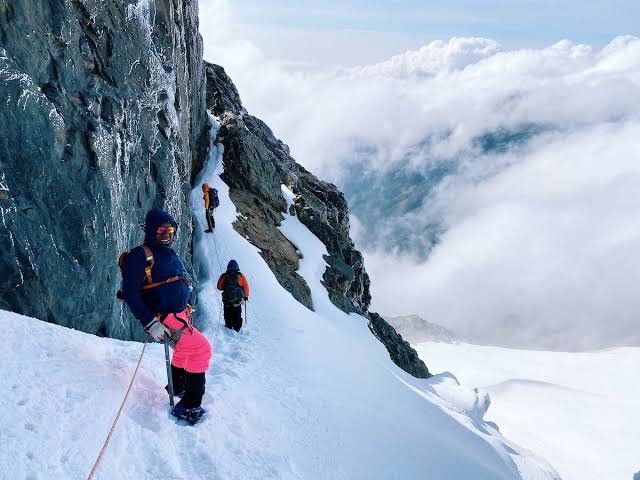
The Rwenzori Mountains are home to Margherita Peak on Mount Stanley, rising to 5,109 metres above sea level. For experienced trekkers and mountaineers, reaching the upper slopes provides one of the most demanding and rewarding mountain experiences in East Africa. Even travellers who do not attempt the summit can enjoy dramatic views of the surrounding peaks and alpine landscape.
Experience Dramatic Alpine Scenery
Few places in Uganda offer scenery comparable to the Rwenzoris. The mountains contain steep valleys, fast-flowing rivers, waterfalls, alpine lakes and glacial landscapes, creating constantly changing views as trekkers gain altitude. This dramatic setting makes the park especially appealing to photographers, hikers and travellers seeking a wilderness experience beyond traditional safari landscapes.
Discover Extraordinary Afro-Alpine Vegetation
One of the most memorable features of the Rwenzori Mountains is the unusual vegetation found at higher elevations. Giant lobelias, groundsels, heathers and other Afro-alpine plants create a landscape that can appear almost otherworldly. The vegetation changes noticeably as trekkers move from montane forest through bamboo and moorland toward the higher alpine zones.
Trekking for Different Experience Levels
Visiting Rwenzori Mountains National Park does not mean every traveller must attempt a summit expedition. Multi-day trekking routes suit experienced hikers, while shorter walks and lower-altitude trails provide opportunities to experience forests, rivers, waterfalls and mountain viewpoints without climbing to the highest elevations.
Explore a UNESCO World Heritage Site
Rwenzori Mountains National Park is internationally recognised as a UNESCO World Heritage Site because of its exceptional landscapes, biodiversity and unusual mountain ecosystems. Travelling through the park therefore offers more than a hiking experience; it provides an opportunity to explore one of Africa’s most important and distinctive protected high-altitude environments.
Combine the Mountains with a Uganda Safari
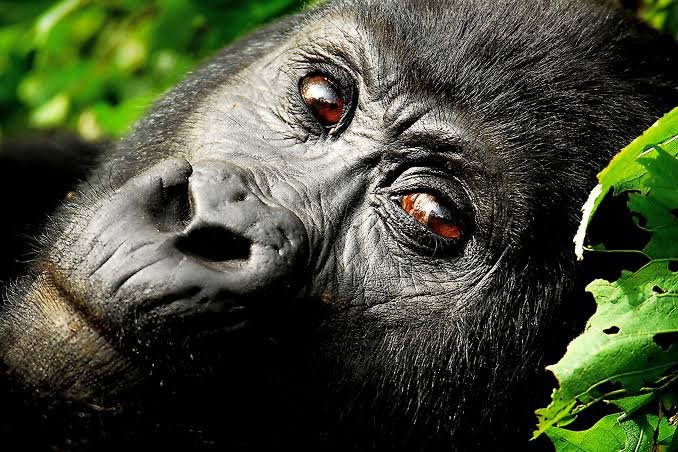
The Rwenzoris fit naturally into a longer western Uganda journey. Travellers can combine mountain trekking with Queen Elizabeth National Park , chimpanzee trekking in Kibale or gorilla trekking in Uganda . This creates a highly varied itinerary combining mountains, wildlife, forests and primate experiences.
Experience Rwenzori Mountains National Park
Combine mountain trekking, dramatic alpine scenery and Uganda’s western wildlife and primate destinations in a journey designed around your fitness level, available time and travel interests.
Plan My Rwenzori AdventureBest Time to Visit Rwenzori Mountains National Park
The best time to visit Rwenzori Mountains National Park depends largely on the type of trekking experience you want, although the relatively drier periods generally provide the most favourable conditions for mountain hiking and summit expeditions.
Weather is one of the most important considerations when planning a trek in the Rwenzori Mountains. The range receives substantial rainfall and conditions can change rapidly as altitude increases. Even during the comparatively drier months, trekkers should be prepared for rain, mist, mud, cold temperatures and rapidly changing visibility.
January and the June to July period are particularly favourable for trekking because rainfall is generally lower than during the main wet seasons. These periods can provide easier trail conditions, improved visibility and better opportunities for enjoying the spectacular mountain scenery.
The wetter periods generally occur from March to May and again from approximately August through December. Trekking remains possible, but trails may become wetter, muddier and more physically demanding. The mountains can also experience heavier cloud cover and reduced visibility during prolonged rainy periods.
| Period | Typical Conditions | Trekking Rating | Best For |
|---|---|---|---|
| January – February | A comparatively drier period with better opportunities for clearer mountain views, although rain and cold conditions remain possible. | Excellent | Summit trekking, longer expeditions, photography and high-altitude hiking. |
| March – May | One of the wetter periods, with increased rainfall, muddy trails, boggy sections and greater possibility of cloud and mist. | Wet Season | Experienced trekkers comfortable with challenging conditions and lush mountain scenery. |
| June – July | One of the strongest trekking windows, with comparatively lower rainfall and potentially better visibility. | Excellent | Margherita Peak expeditions, multi-day trekking, shorter hikes and mountain photography. |
| August – November | Generally wetter mountain conditions with frequent rainfall, cloud, mist and more demanding trail surfaces. | Wet Season | Green scenery, experienced hikers and travellers prepared for more difficult trekking conditions. |
| December | Conditions can remain wet, although some trekking operators experience improving conditions toward the end of December. Mountain weather remains unpredictable. | Variable | Flexible holiday travel and trekkers prepared for mixed weather conditions. |
What Is the Best Month to Trek the Rwenzori Mountains?
January, June and July are among the strongest months for trekking in Rwenzori Mountains National Park. These periods generally fall within the comparatively drier trekking windows and can offer more favourable conditions for longer mountain expeditions. Nevertheless, the Rwenzoris are extremely wet mountains, so waterproof equipment and preparation for cold and rain remain essential regardless of the month you choose.
Best Time for Margherita Peak
Climbers planning a Margherita Peak expedition should generally target the comparatively drier trekking windows. January and June to July can provide more favourable trail and visibility conditions, although summit weather remains unpredictable and specialist equipment is still required.
Best Time for Shorter Rwenzori Hikes
Shorter hikes can be undertaken across a wider part of the year because they do not require spending as much time in the highest alpine zones. However, choosing a relatively drier period can make forest trails, viewpoints and waterfall hikes more comfortable.
Best Time to Combine Rwenzori with Safari
The drier trekking periods can also work well when combining the mountains with Queen Elizabeth National Park , chimpanzee trekking and gorilla trekking in Uganda . This creates a varied journey combining mountains, wildlife and primates.
Choose the Right Time for Your Rwenzori Adventure
Tell us your intended travel dates, trekking experience and whether you want a shorter mountain hike or a longer summit expedition, and we can incorporate the Rwenzoris into your Uganda journey.
Plan My Rwenzori TrekFrequently Asked Questions About Rwenzori Mountains National Park
Find practical answers about trekking, Margherita Peak, weather, hiking difficulty, accommodation and combining Rwenzori Mountains National Park with a wider Uganda safari.
1. Where is Rwenzori Mountains National Park located?
Rwenzori Mountains National Park is located in western Uganda along the border with the Democratic Republic of Congo. The mountains rise above the Albertine Rift and are conveniently positioned for travellers who want to combine trekking with Queen Elizabeth National Park and other destinations in western Uganda.
2. Is Rwenzori Mountains National Park worth visiting?
Yes. The Rwenzoris are especially rewarding for travellers interested in trekking, dramatic mountain scenery, waterfalls, alpine lakes, unusual vegetation and remote wilderness. The park provides a completely different experience from traditional wildlife safaris in Uganda , making it an excellent addition to a varied Uganda itinerary.
3. How high is Margherita Peak in the Rwenzori Mountains?
Margherita Peak on Mount Stanley rises to approximately 5,109 metres above sea level and is Africa’s third-highest mountain summit. Reaching the peak requires a demanding multi-day expedition involving high-altitude trekking and challenging mountain terrain.
4. Do I have to climb Margherita Peak to visit the Rwenzoris?
No. Visiting Rwenzori Mountains National Park does not require a summit expedition. Shorter hikes and lower-altitude treks can introduce travellers to forests, waterfalls, rivers, viewpoints and mountain vegetation without climbing to the highest peaks.
5. What is the best time to visit Rwenzori Mountains National Park?
January and the June to July period are generally among the most favourable times for trekking because rainfall is comparatively lower. However, the Rwenzori Mountains receive substantial rainfall throughout the year, so trekkers should always prepare for mist, mud, cold temperatures and rapidly changing mountain weather.
6. How difficult is trekking in the Rwenzori Mountains?
The difficulty depends on the route and altitude. Shorter lower-slope hikes can be manageable for travellers with reasonable fitness, while summit expeditions are physically demanding and involve several days of steep, muddy and high-altitude terrain. Travellers planning longer expeditions should train in advance and use experienced mountain guides.
7. How many days do I need for a Rwenzori Mountains trek?
The number of days depends on your objective. Shorter hikes can take one to several days, while expeditions targeting the high peaks require a longer itinerary to allow sufficient time for climbing, acclimatisation and safe movement through the mountain terrain.
8. What should I pack for trekking in the Rwenzori Mountains?
Waterproof clothing, sturdy trekking boots, warm layers, gloves, headwear, suitable trekking trousers, a good backpack and protection for personal equipment are particularly important. Conditions can become wet and cold even when lower elevations are warm, so preparation for changing mountain weather is essential.
9. What scenery can I see in Rwenzori Mountains National Park?
The park contains an extraordinary range of scenery including montane forests, bamboo zones, giant heathers, moorlands, Afro-alpine vegetation, waterfalls, rivers, lakes, rocky peaks and glacial landscapes. These dramatic changes in elevation make the Rwenzoris particularly rewarding for landscape and nature photography.
10. Is Rwenzori Mountains National Park a UNESCO World Heritage Site?
Yes. Rwenzori Mountains National Park is recognised as a UNESCO World Heritage Site for its outstanding natural beauty, mountain ecosystems and biodiversity. Its distinctive glaciers, lakes, waterfalls and unusual high-altitude vegetation contribute strongly to its international conservation importance.
11. Can I combine the Rwenzori Mountains with Queen Elizabeth National Park?
Yes. Combining the mountains with Queen Elizabeth National Park works particularly well because both destinations are in western Uganda. Travellers can experience mountain trekking before continuing to savannah game drives and boat experiences, creating a strong contrast within the same Uganda safari.
12. Can I combine Rwenzori trekking with chimpanzee trekking?
Yes. The Rwenzoris can be combined with chimpanzee trekking in Uganda , particularly in Kibale Forest. This allows travellers to experience high-altitude mountain landscapes and tropical forest primates during the same western Uganda journey.
13. Can I combine the Rwenzori Mountains with gorilla trekking?
Yes. Adventure travellers can combine a Rwenzori expedition with gorilla trekking in Uganda and Bwindi Impenetrable National Park . This creates an exceptionally varied journey combining mountains, tropical forests, primates and some of Uganda’s most memorable scenery.
14. Where can I stay when visiting Rwenzori Mountains National Park?
Accommodation around the Rwenzori region ranges from simple guesthouses and trekking lodges to more comfortable properties used before or after a mountain expedition. During longer treks, accommodation is generally arranged at designated mountain camps or huts depending on the selected route. The best option depends on your itinerary, comfort preferences and trekking programme.
15. How do I book a Rwenzori Mountains National Park trek?
Start by sharing your intended travel dates, trekking experience, fitness level and whether you prefer a shorter mountain hike or a longer summit expedition. Calm Africa Safaris can also combine the Rwenzoris with wildlife, chimpanzee and gorilla experiences. You can request a customised Rwenzori Mountains safari based on your available time and preferred Uganda itinerary.
Plan Your Rwenzori Mountains Adventure
Combine Rwenzori trekking with Queen Elizabeth National Park, chimpanzees, gorilla trekking and other unforgettable destinations across western Uganda.
Request a Rwenzori Trek