Queen Elizabeth National Park is a diverse wildlife reserve in Uganda known for its tree-climbing lions, elephants, hippos, and scenic savannah landscapes.
Queen Elizabeth National Park
Nestled in the heart of western Uganda, Queen Elizabeth National Park is one of the country's most popular and diverse safari destinations. Covering approximately 1,978 square kilometers, the park is renowned for its remarkable biodiversity, stunning landscapes, and exceptional wildlife viewing opportunities.
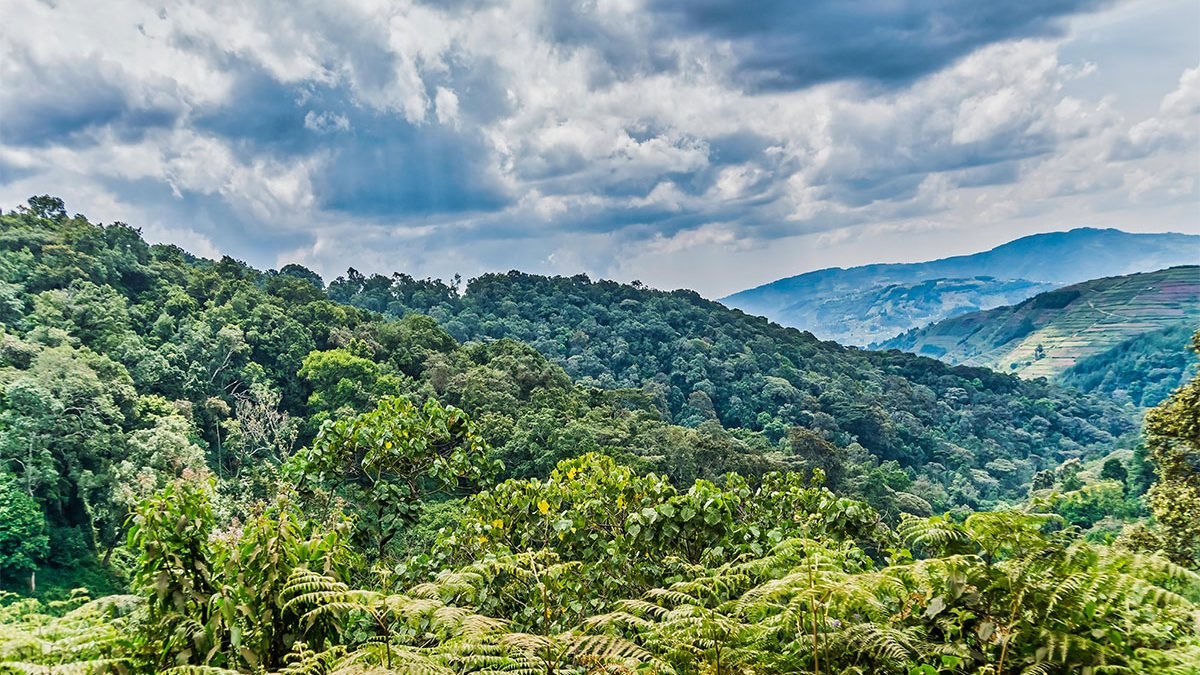
Established in 1952, the park stretches between Lake George and Lake Edward and is connected by the famous Kazinga Channel. The park's varied ecosystems include savannah grasslands, wetlands, crater lakes, forests, and riverine habitats, supporting an incredible range of wildlife species.
Queen Elizabeth National Park is home to elephants, buffaloes, hippos, leopards, crocodiles, antelopes, and the famous tree-climbing lions found in the Ishasha sector. It also boasts one of the highest bird species counts of any protected area in Africa, making it a paradise for birdwatchers and nature enthusiasts.
The park's strategic location along Uganda's popular southwestern safari circuit makes it an excellent destination for travelers combining wildlife safaris with gorilla trekking in Bwindi or chimpanzee trekking in Kibale Forest. Whether you are seeking thrilling game drives, scenic boat cruises, cultural experiences, or breathtaking landscapes, Queen Elizabeth National Park offers an unforgettable safari experience for visitors of all interests.
Things to Do in Queen Elizabeth National Park
Game Drives
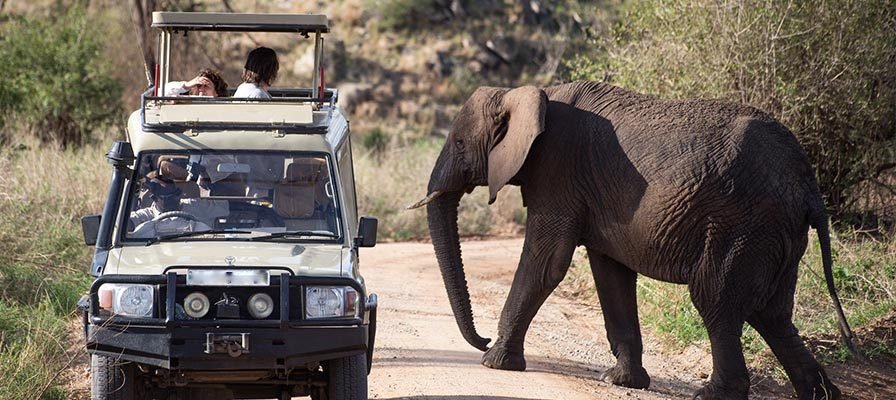
Game drives are the most popular activity in Queen Elizabeth National Park and provide excellent opportunities to observe wildlife in their natural habitat. Visitors explore the vast savannah plains and open grasslands in search of elephants, buffaloes, Uganda kobs, waterbucks, warthogs, hyenas, and occasionally leopards. Morning game drives are particularly rewarding as animals are more active during the cooler hours of the day, while evening drives offer beautiful sunset views across the park.
Kazinga Channel Boat Cruise
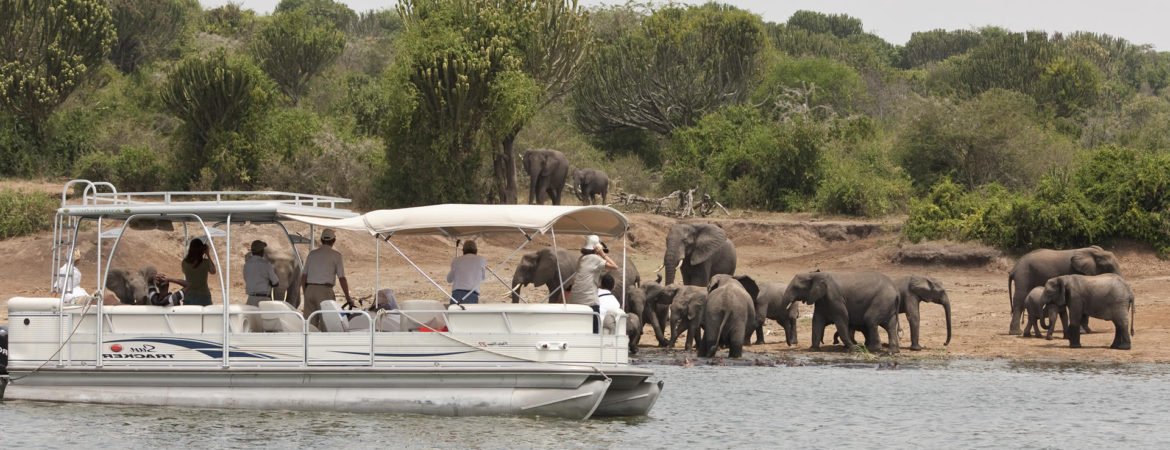
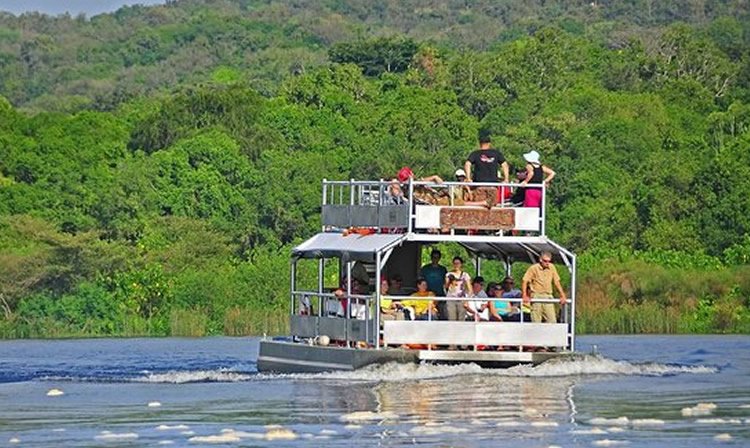
A boat cruise along the Kazinga Channel is considered one of the highlights of any visit to the park. This natural waterway connects Lake George and Lake Edward and attracts large concentrations of wildlife throughout the year. During the cruise, visitors can observe hundreds of hippos, Nile crocodiles, buffaloes, elephants, and a remarkable variety of birds gathering along the shoreline. The experience provides excellent photography opportunities and a different perspective of the park's wildlife.
Search for Tree-Climbing Lions in Ishasha
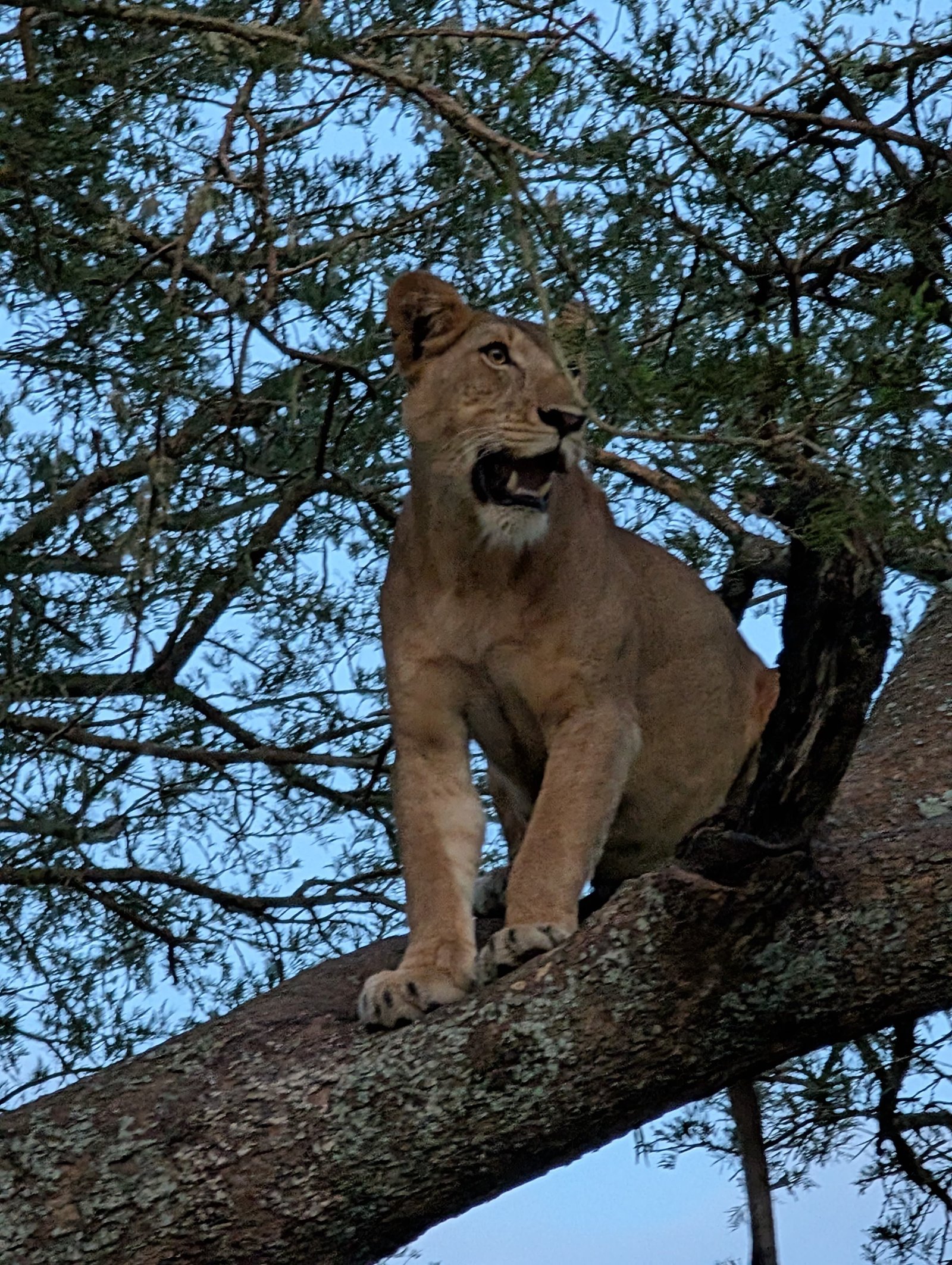
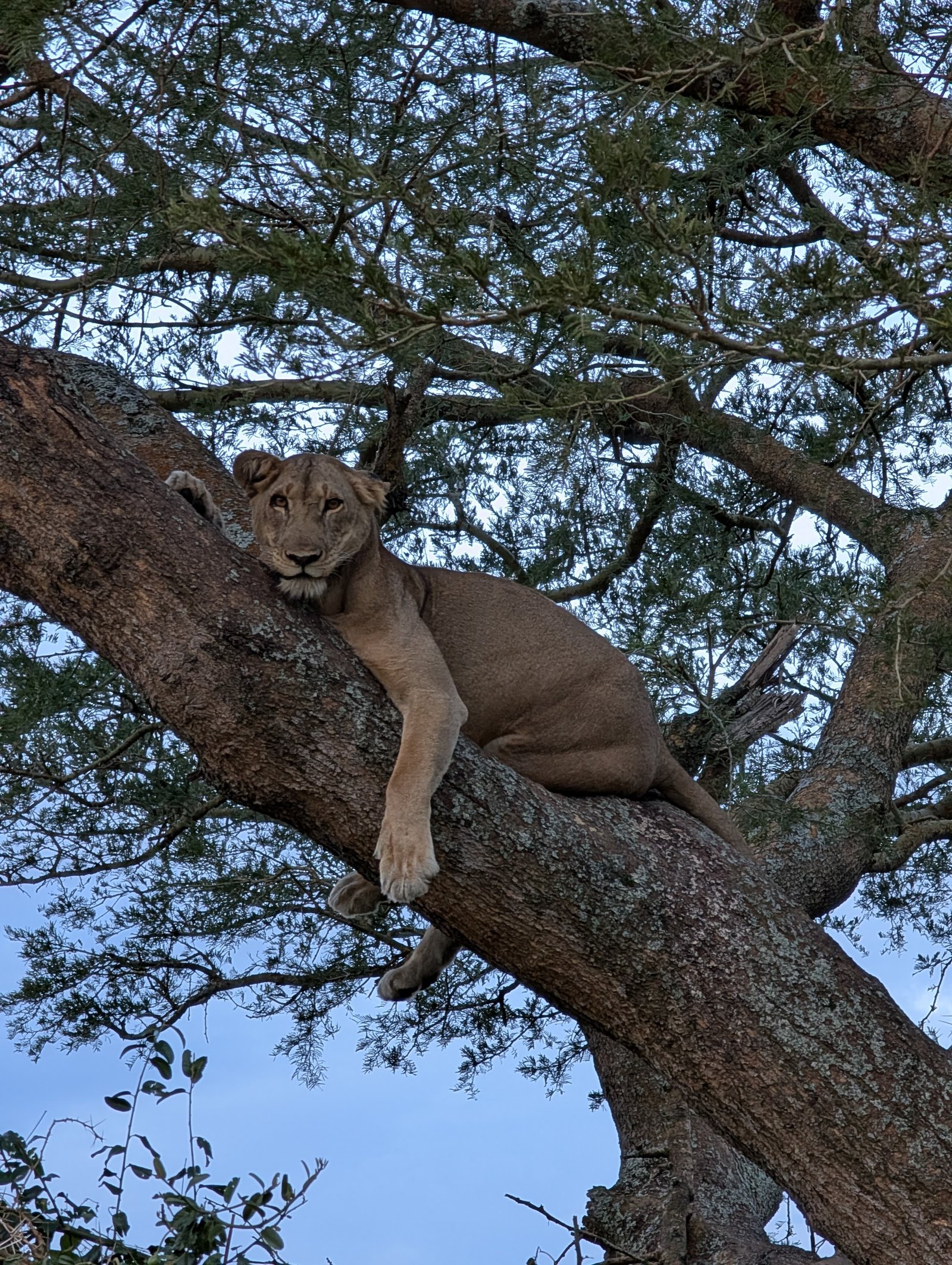
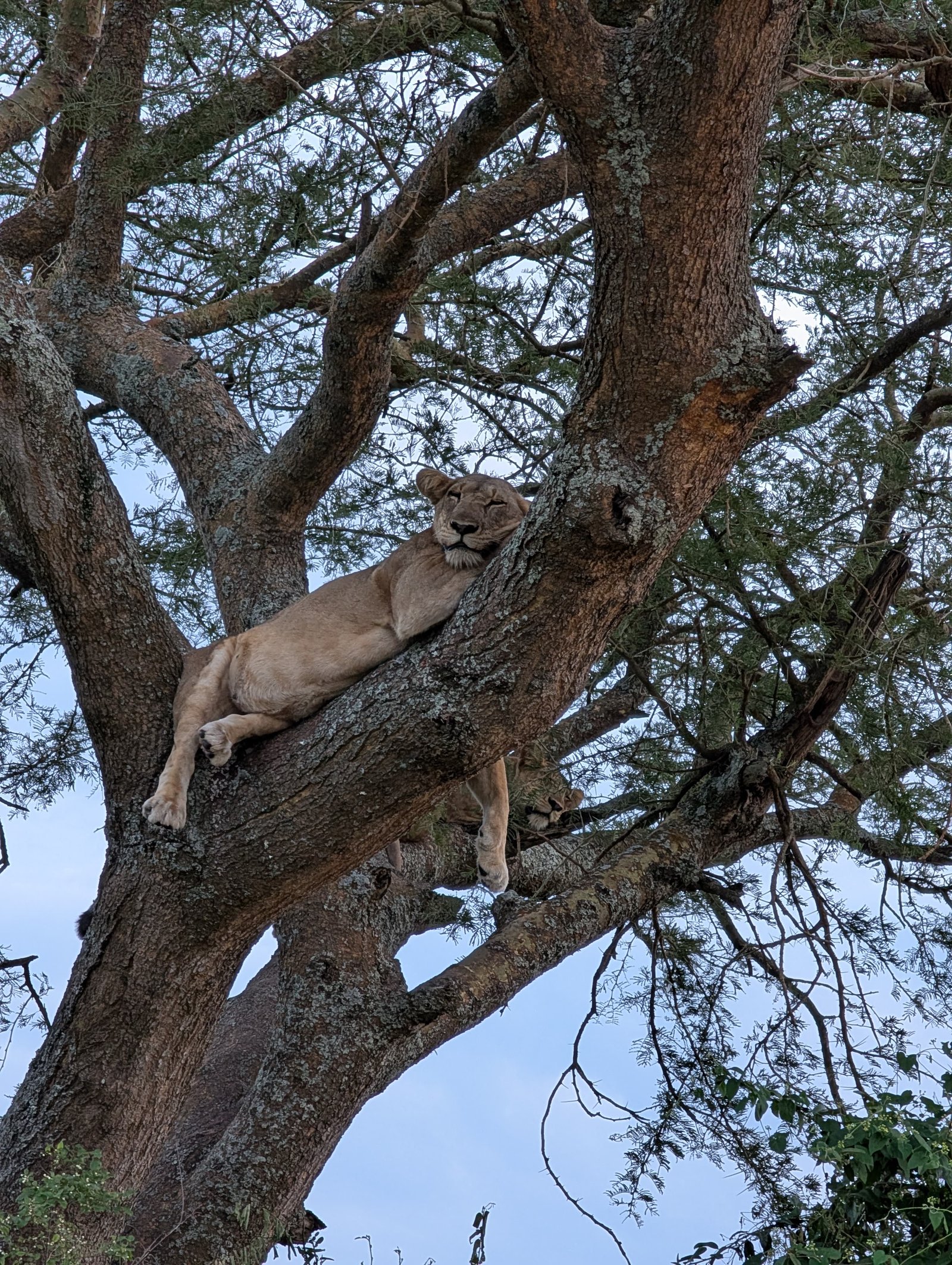
The Ishasha sector is internationally famous for its rare population of tree-climbing lions. Unlike most lions that spend their time on the ground, these lions are often seen resting in the branches of large fig trees. A game drive through Ishasha offers visitors the chance to witness this unusual behavior while also spotting elephants, antelopes, buffaloes, and other wildlife that inhabit the area.
Birdwatching
With over 600 recorded bird species, Queen Elizabeth National Park is one of the best birdwatching destinations in Africa. The park's diverse habitats support an incredible range of birds, including water birds, forest species, raptors, and migratory visitors. Birdwatchers can explore wetlands, lakeshores, forests, and savannahs while searching for some of Uganda's most sought-after bird species.
Chimpanzee Trekking in Kyambura Gorge
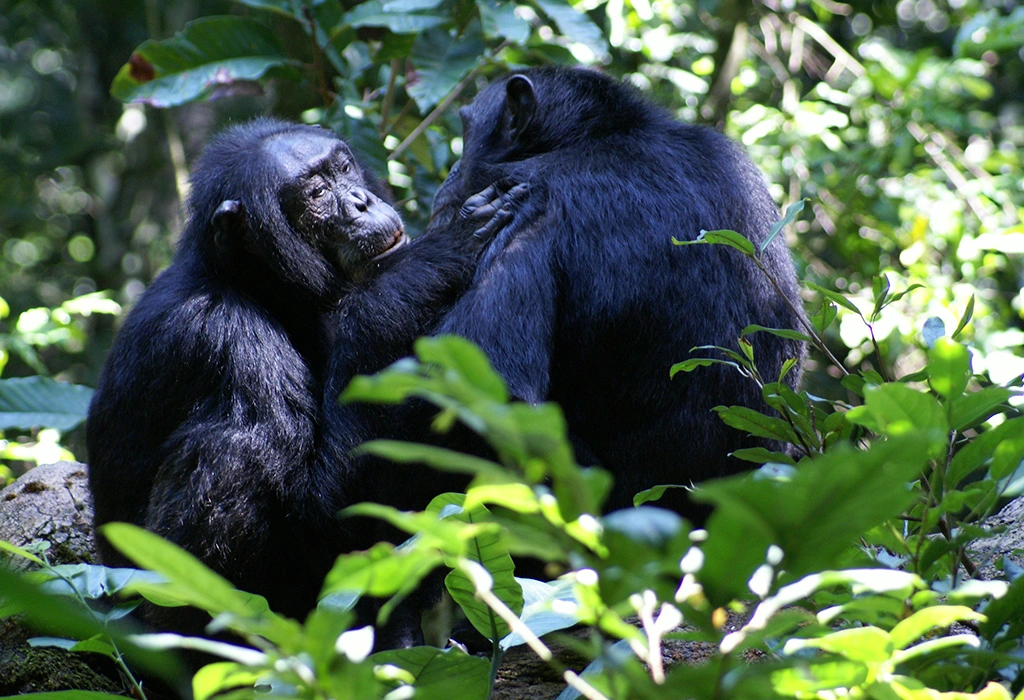
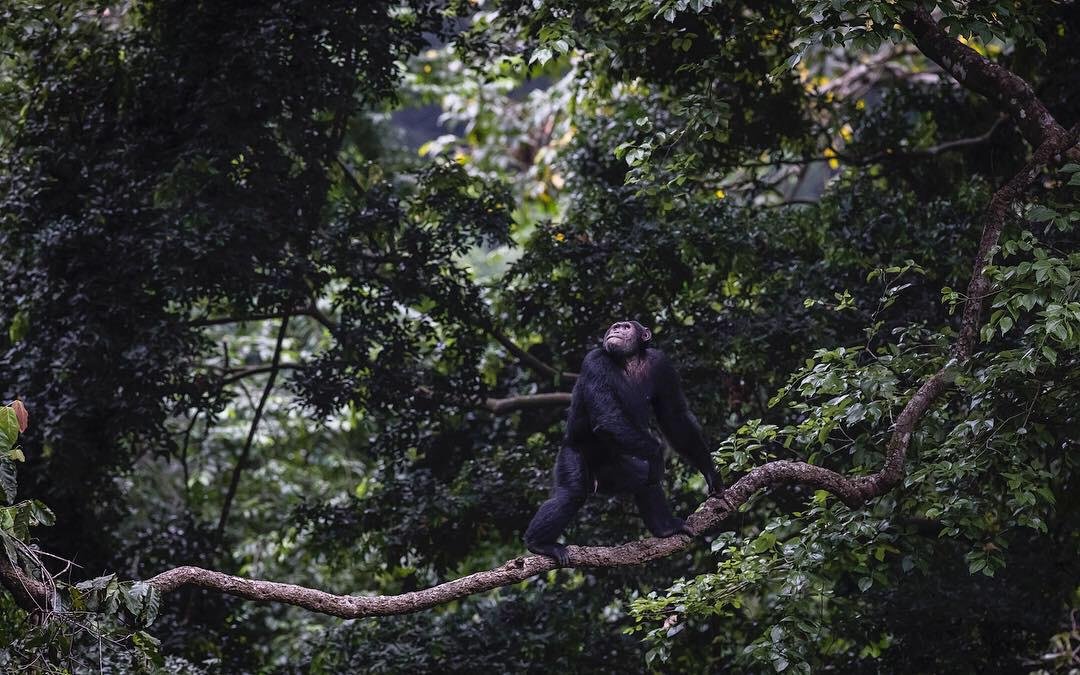
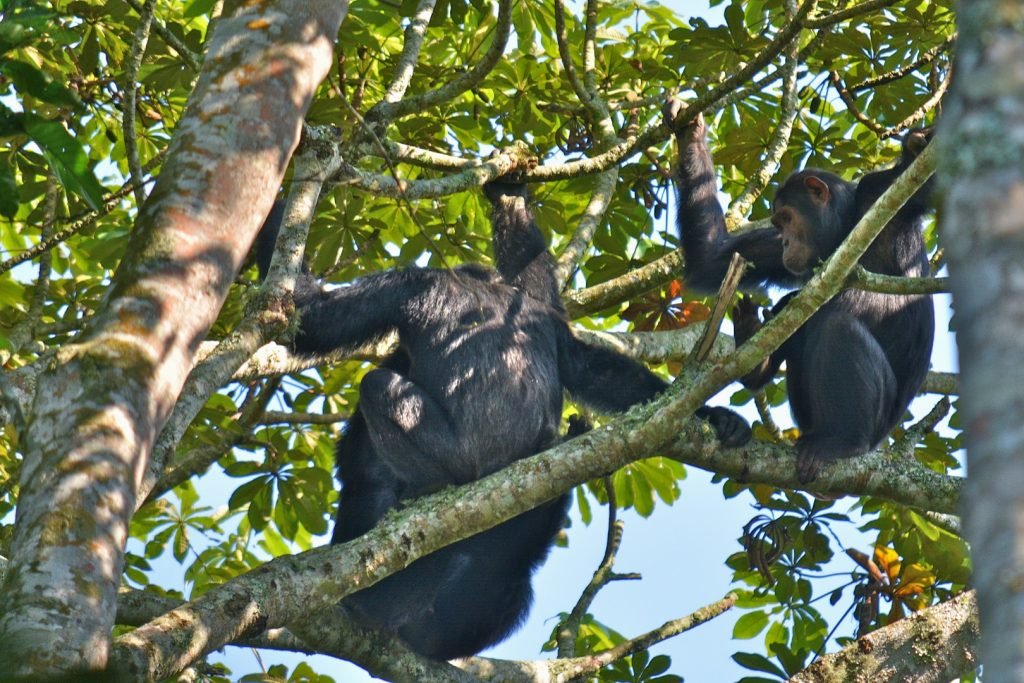
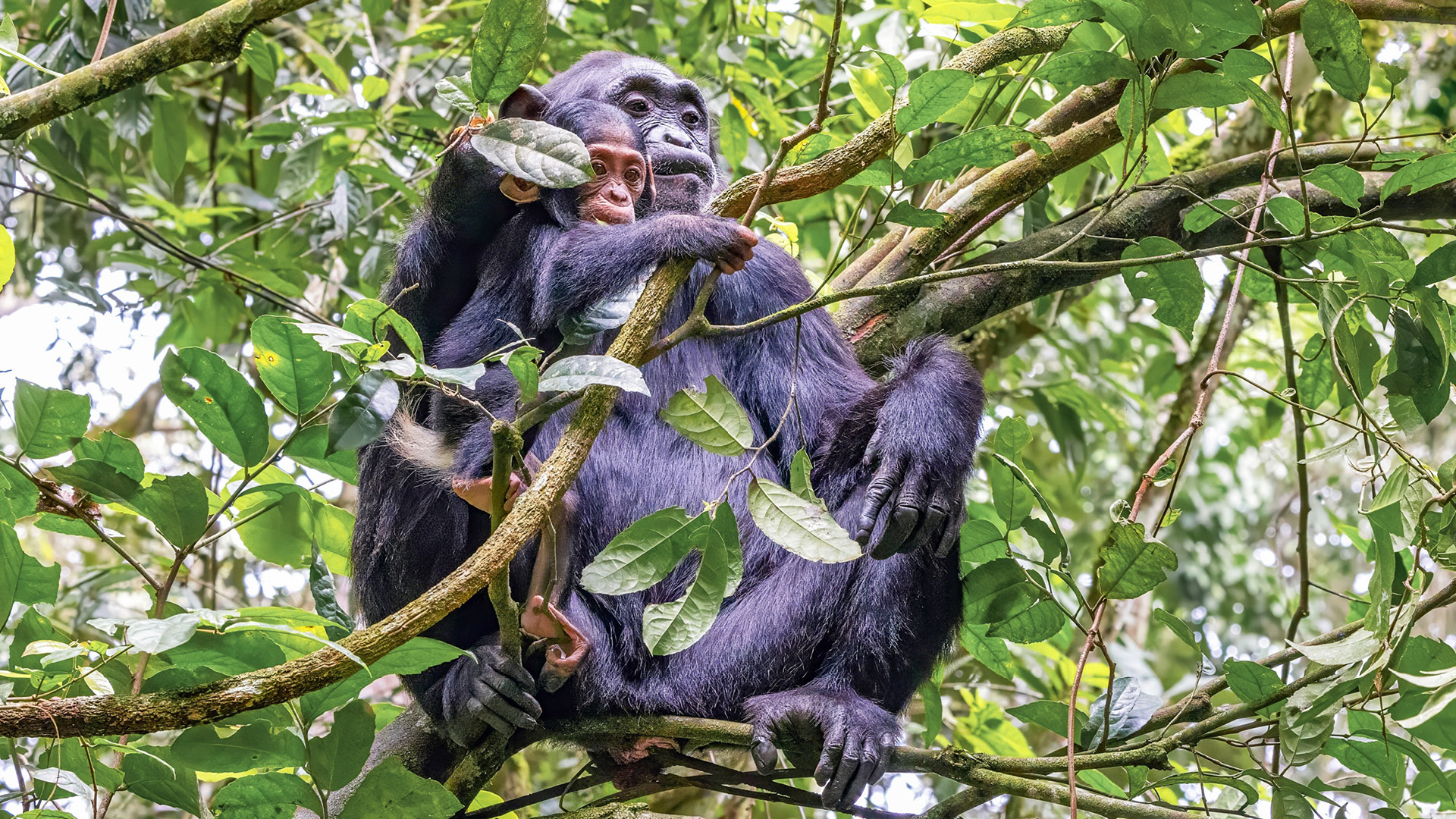
Known as the "Valley of Apes," Kyambura Gorge offers a unique chimpanzee trekking experience within a dramatic underground forest ecosystem. Guided treks take visitors through the lush gorge in search of habituated chimpanzees while providing opportunities to observe other primates, birds, and forest wildlife. The contrast between the deep forested gorge and the surrounding savannah creates a truly memorable adventure.
Nature Walks
Guided nature walks allow visitors to experience the park from a different perspective. Accompanied by knowledgeable guides, guests can learn about local plants, animal tracks, insects, birds, and conservation efforts. These walks offer a closer connection to nature and reveal details that are often missed during traditional game drives.
Explore the Crater Lakes
The crater lake region surrounding Queen Elizabeth National Park is known for its spectacular scenery and unique geological features. Formed by ancient volcanic activity, these lakes are surrounded by rolling hills and offer breathtaking viewpoints. Exploring the crater lakes provides excellent opportunities for sightseeing, photography, and appreciating the natural beauty of western Uganda.
Cultural and Community Experiences
Visitors interested in local culture can participate in community tours and cultural experiences around the park. These activities may include traditional music and dance performances, craft-making demonstrations, village visits, and interactions with local residents. Such experiences provide valuable insight into the traditions and lifestyles of the communities that live alongside the park
Wildlife Photography
Queen Elizabeth National Park is a dream destination for photography enthusiasts. Its diverse landscapes, abundant wildlife, dramatic sunsets, and rich birdlife provide endless opportunities for capturing stunning images. Whether photographing elephants along the Kazinga Channel or lions on the savannah, visitors will find countless memorable subjects throughout the park.
Wildlife in Queen Elizabeth National Park
Queen Elizabeth National Park is one of Africa's most biodiverse protected areas, supporting an extraordinary variety of wildlife across its savannahs, wetlands, forests, lakes, and crater landscapes. The park is home to more than 95 mammal species and over 600 bird species, making it one of Uganda's premier destinations for wildlife viewing and nature-based tourism.
Elephants
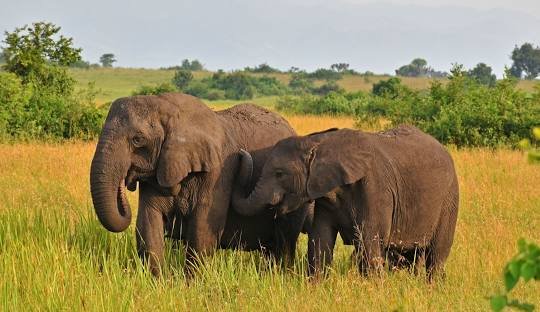
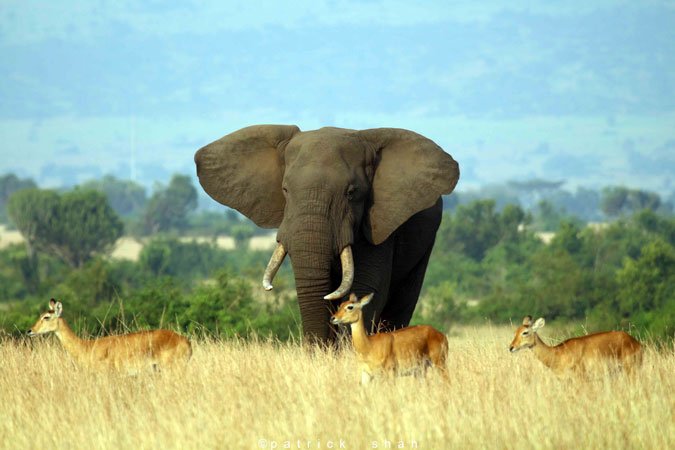
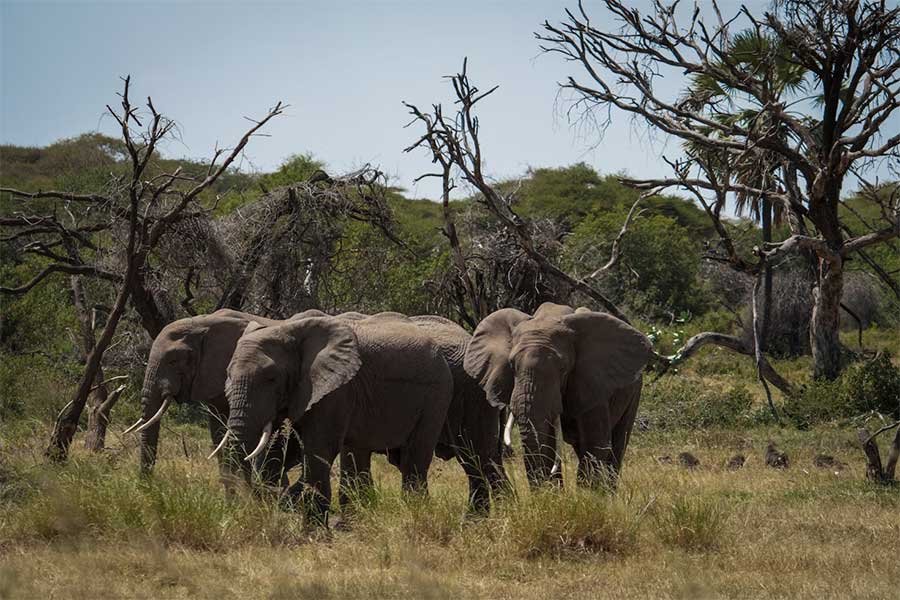
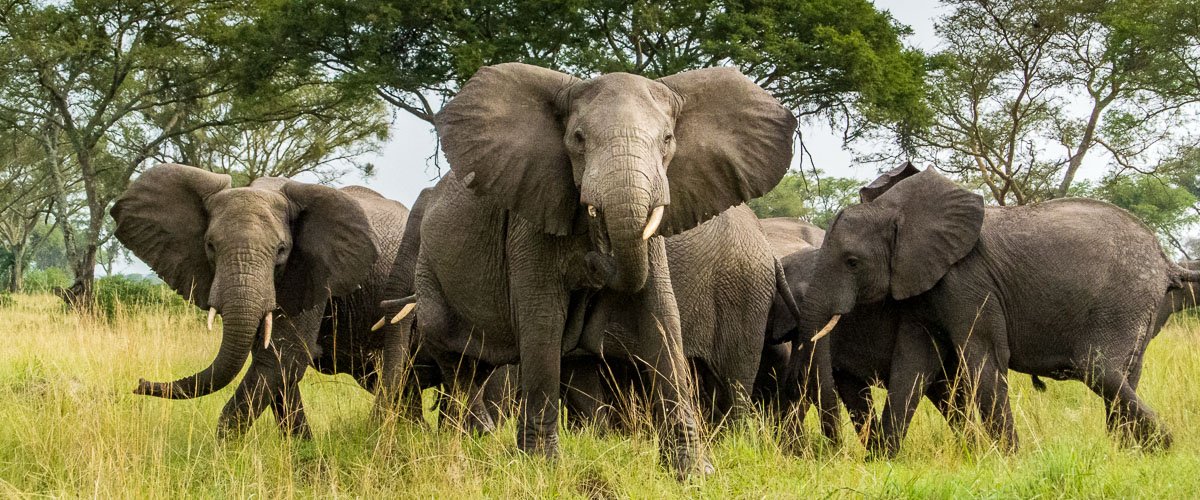
African elephants are among the most frequently sighted animals in the park. Large herds can often be seen grazing in the savannah, drinking along water sources, or moving through the park's open plains. Their impressive size and social behavior make them a highlight of many game drives.
Buffaloes
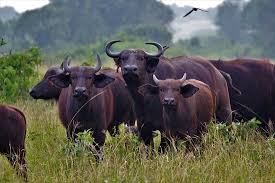
The African buffalo is another common resident of the park. These powerful animals are often seen in large herds near grasslands and water bodies, particularly around the Kazinga Channel where they gather in significant numbers.
Lions
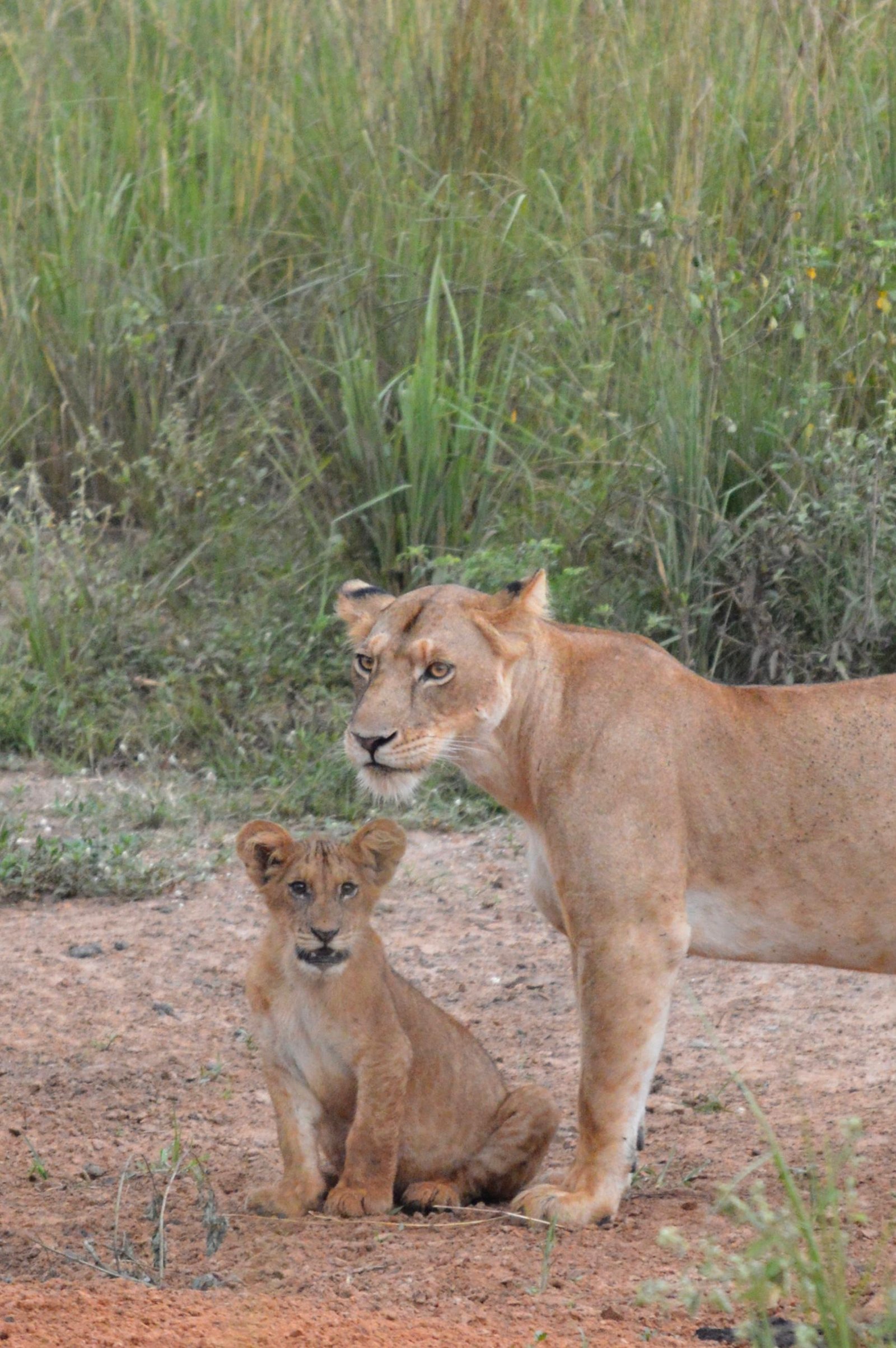
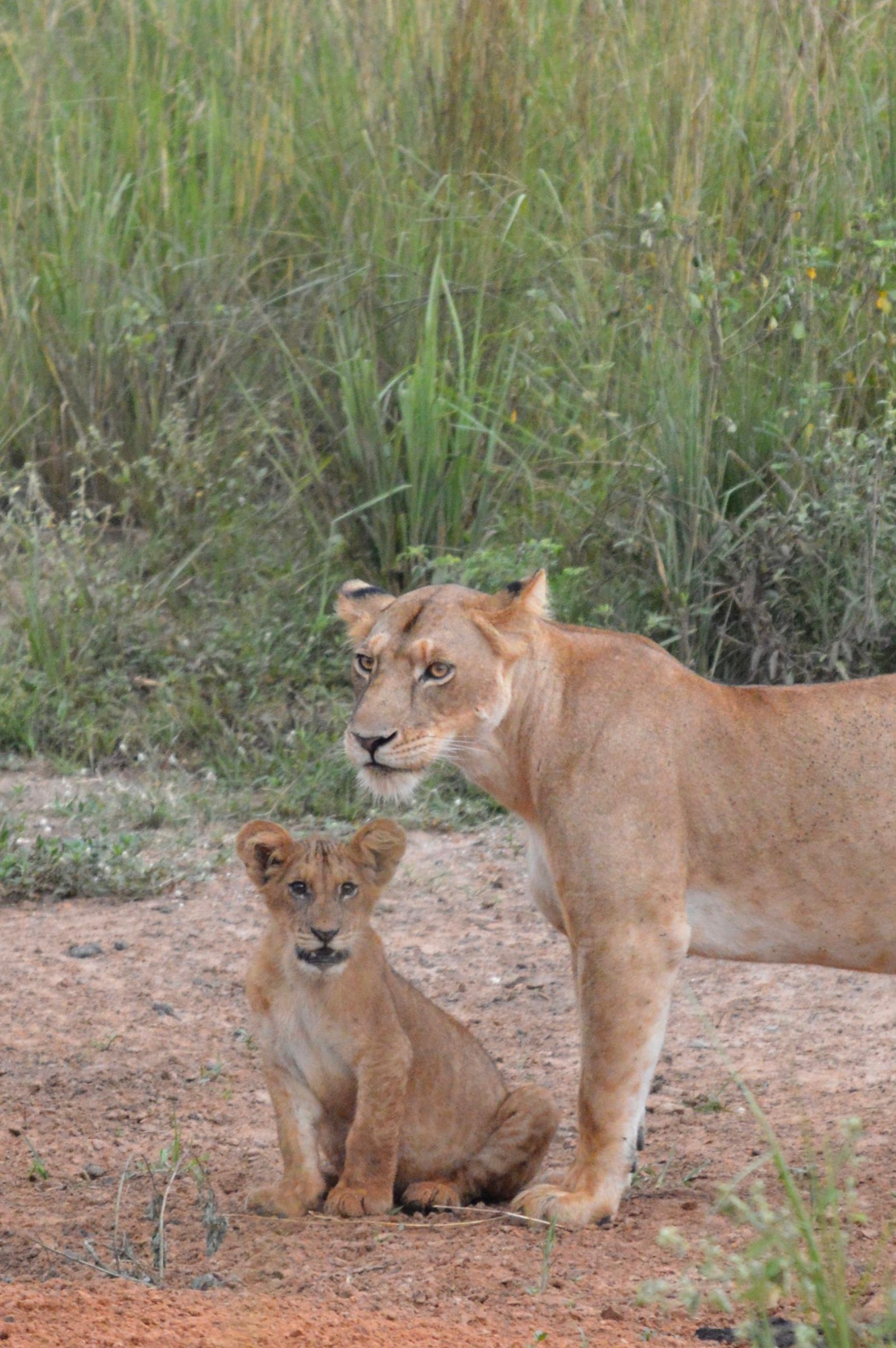
Queen Elizabeth National Park is one of the best places in Uganda to see lions in the wild. Visitors may encounter them resting in the grasslands, hunting prey, or socializing within their prides. The famous tree-climbing lions of the Ishasha sector are especially sought after by safari enthusiasts.
Leopards
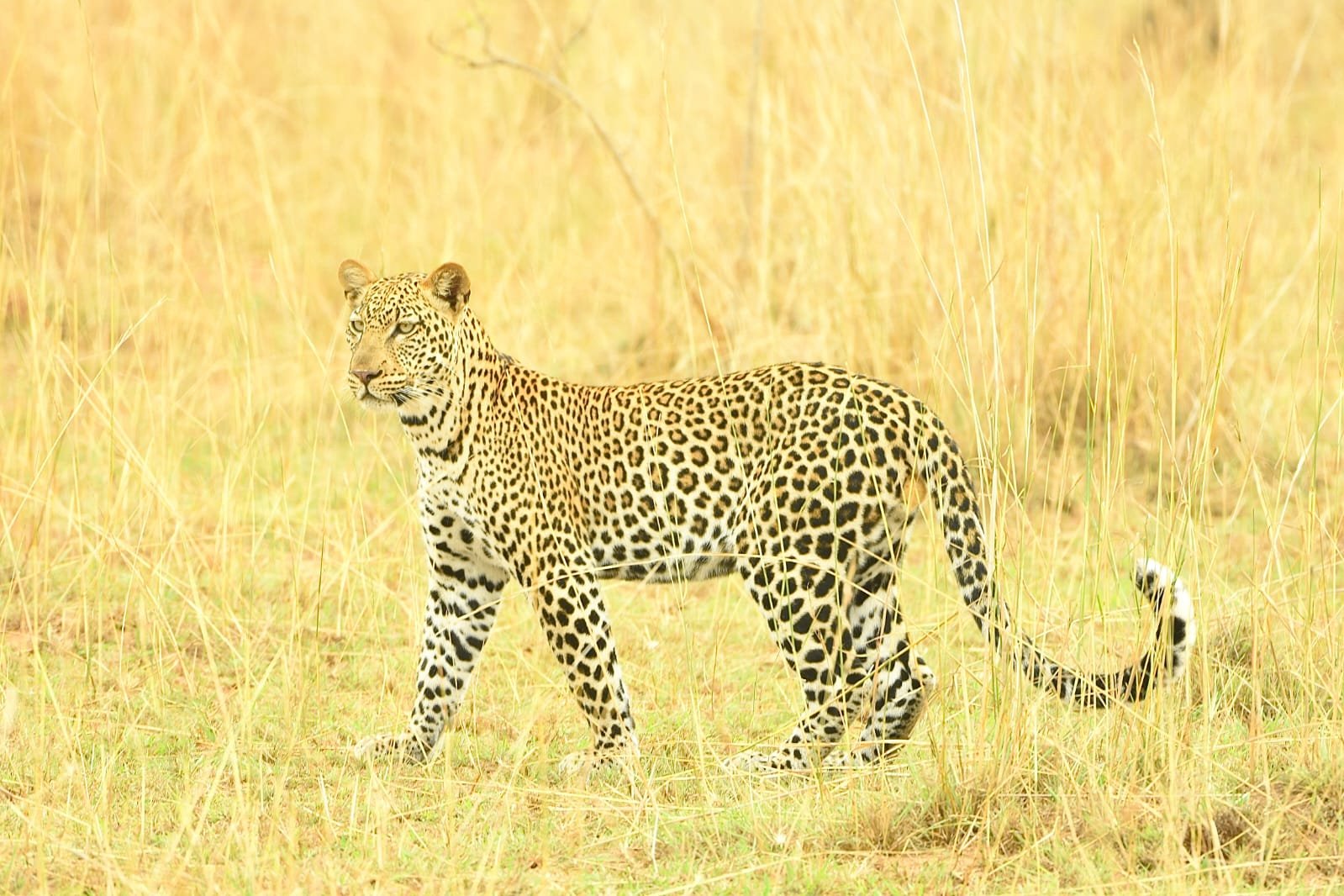
Although naturally elusive and more difficult to spot, leopards inhabit many parts of the park. Early morning and evening game drives offer the best chances of encountering these beautiful big cats as they move through the savannah searching for prey.
Hippopotamuses
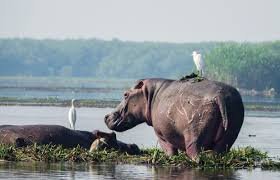
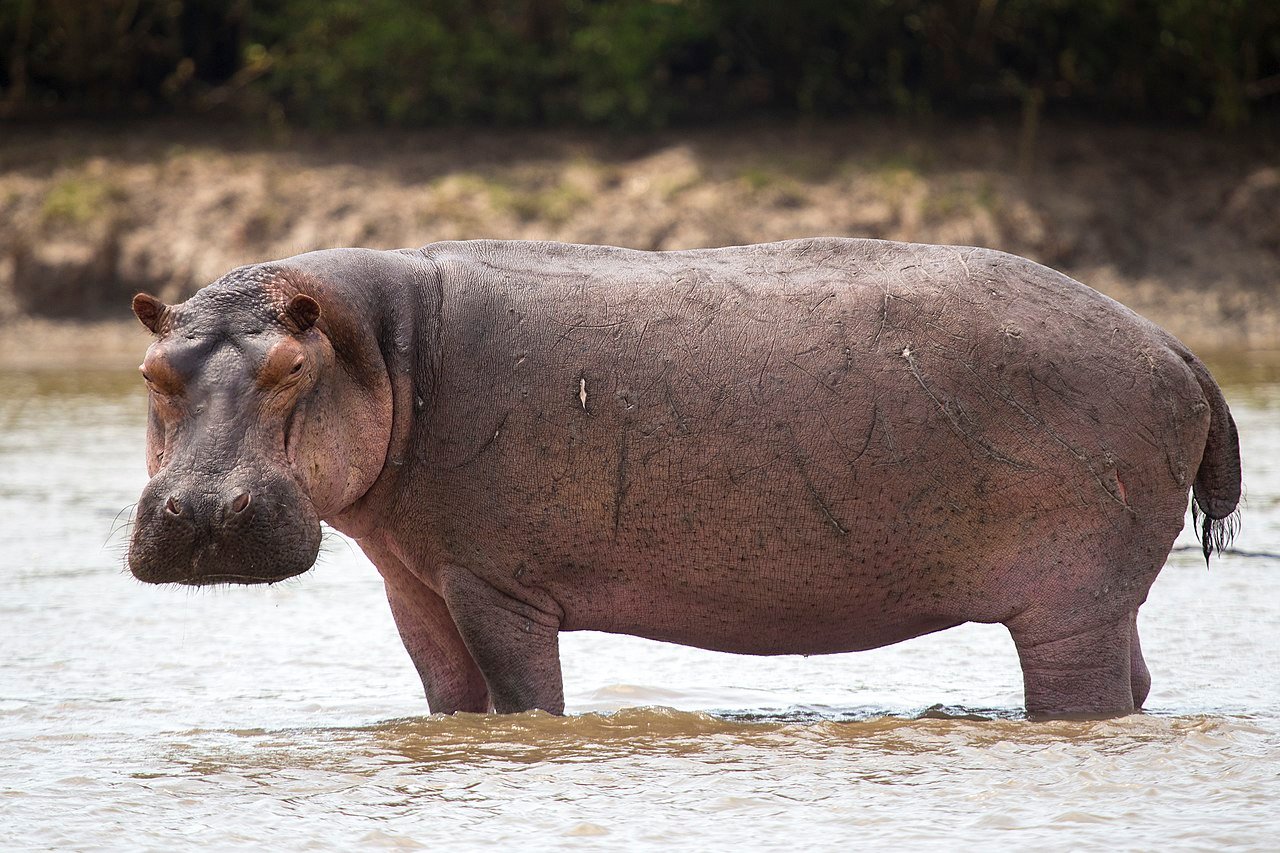
The Kazinga Channel supports one of the highest concentrations of hippos in Africa. Boat cruises provide exceptional opportunities to observe these fascinating animals as they spend their days cooling off in the water and socializing in large groups.
Nile Crocodiles
Large Nile crocodiles inhabit the Kazinga Channel and surrounding water systems. Often seen basking along the shoreline, these impressive reptiles are among the region's most iconic aquatic predators.
Antelope Species
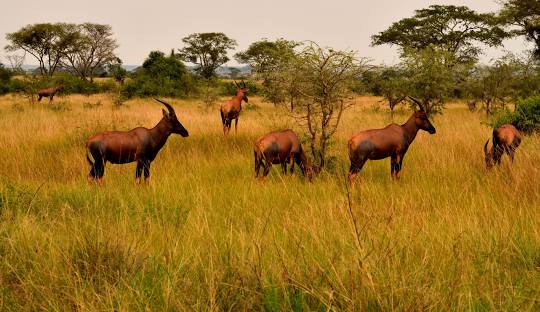
The park supports a wide variety of antelope species including Uganda kobs, waterbucks, bushbucks, topis, and duikers. These herbivores play an important role in the ecosystem and are commonly observed during game drives.
Primates
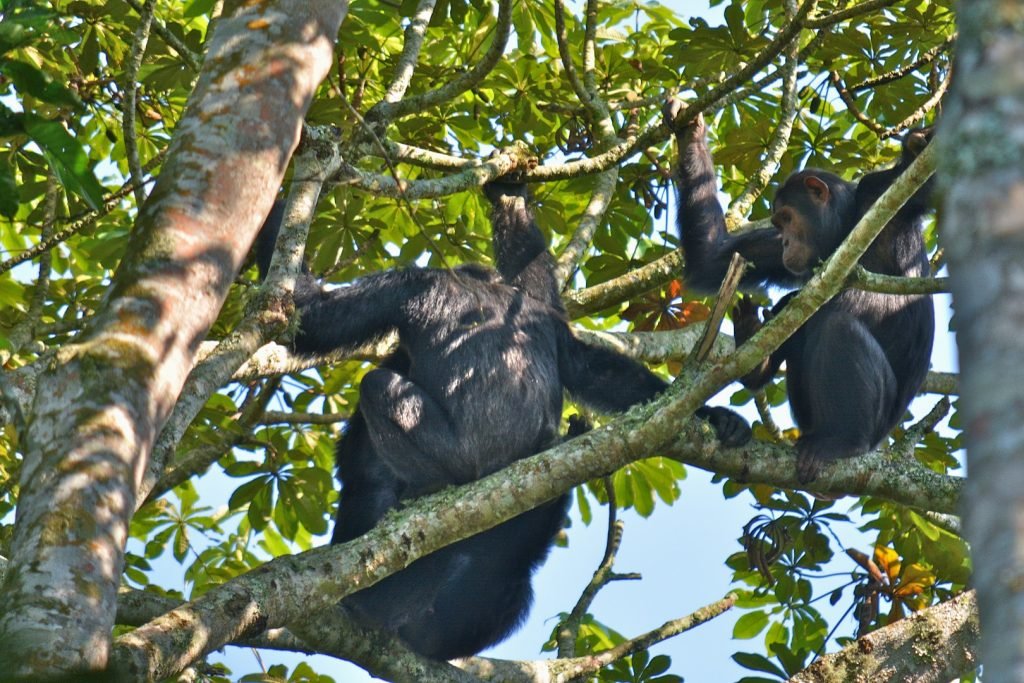
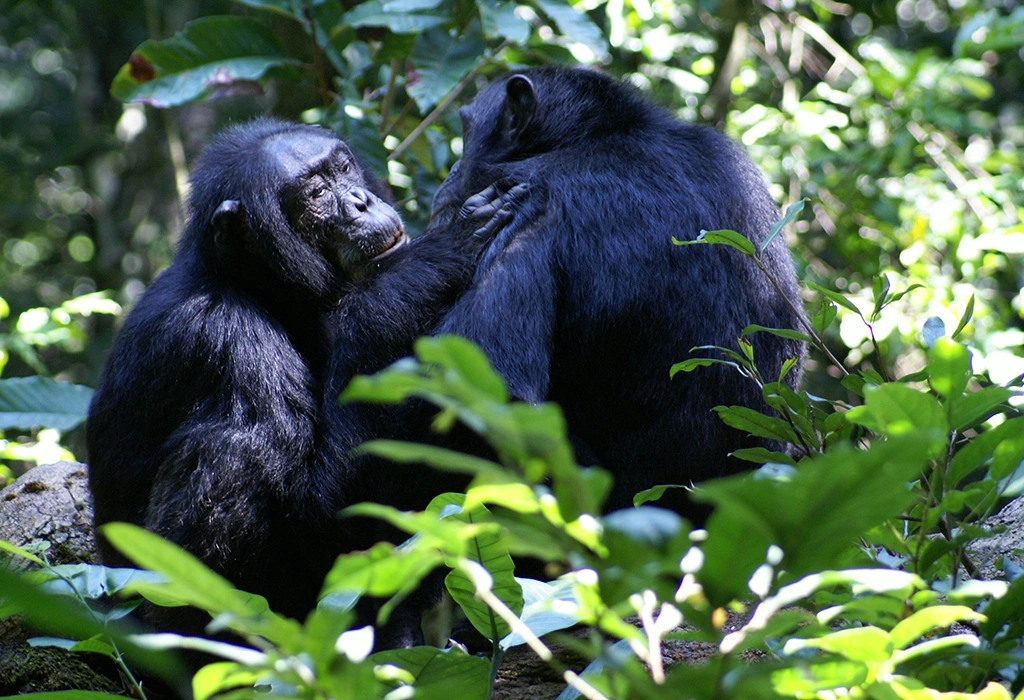
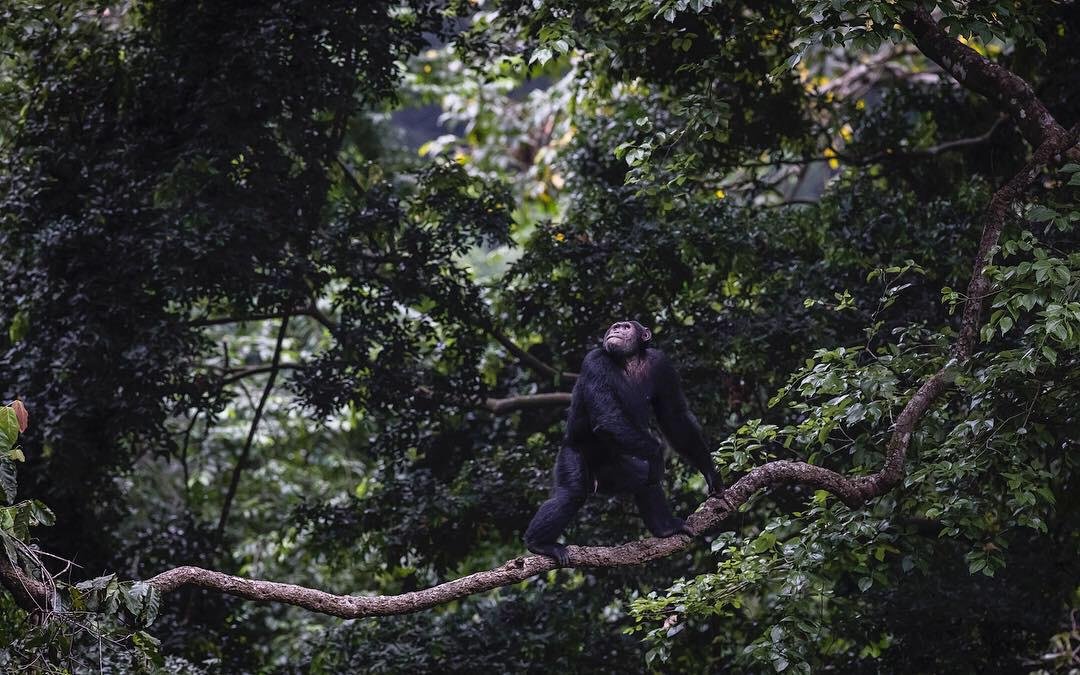
In addition to savannah wildlife, the park is home to several primate species. Visitors exploring Kyambura Gorge may encounter chimpanzees, while baboons, vervet monkeys, black-and-white colobus monkeys, and red-tailed monkeys can be found in various habitats throughout the park.
Birdlife
Queen Elizabeth National Park is internationally recognized as a birdwatching paradise. Its diverse habitats attract over 600 bird species, including kingfishers, eagles, storks, herons, bee-eaters, weavers, hornbills, and numerous migratory birds. The park's wetlands and lakeshores are particularly productive for birdwatching excursions.
Best Time to Visit Queen Elizabeth National Park
Queen Elizabeth National Park is a year-round safari destination, offering rewarding wildlife experiences in every season. However, weather conditions and seasonal changes can influence wildlife viewing, photography, and outdoor activities, making certain times of the year more suitable for specific interests.
Dry Season (June to August and December to February)
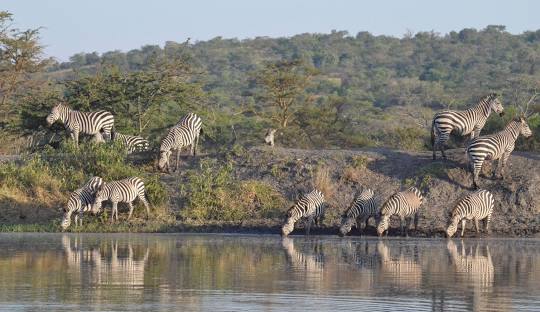
The dry season is generally considered the best time to visit Queen Elizabeth National Park for wildlife viewing. During these months, vegetation becomes less dense and animals tend to gather around rivers, lakes, and other water sources, making them easier to spot during game drives.
Road conditions are also typically better, allowing easier access to different parts of the park, including the popular Kasenyi Plains and the Ishasha sector. The dry weather is ideal for game drives, boat cruises, nature walks, and wildlife photography.
Birdwatching remains excellent during this period, although the greatest concentration of migratory birds is usually observed during the wetter months.
Wet Season (March to May and September to November)
The wet season transforms the park into a lush and vibrant landscape. The savannah becomes greener, flowers bloom, and many animals take advantage of the abundant food resources available throughout the park.
Although wildlife can be slightly more challenging to locate due to thicker vegetation, visitors are often rewarded with beautiful scenery, fewer crowds, and excellent photography conditions. The landscape appears particularly attractive during this time, offering dramatic skies and rich colors.
Birdwatchers often favor the wet season because migratory bird species are present, increasing the diversity of sightings. The park's wetlands and lakeshores become especially active with birdlife.
Ready to Visit Queen Elizabeth National Park?
Contact us today and let our expert team help you plan the perfect safari adventure.
Request a Quote