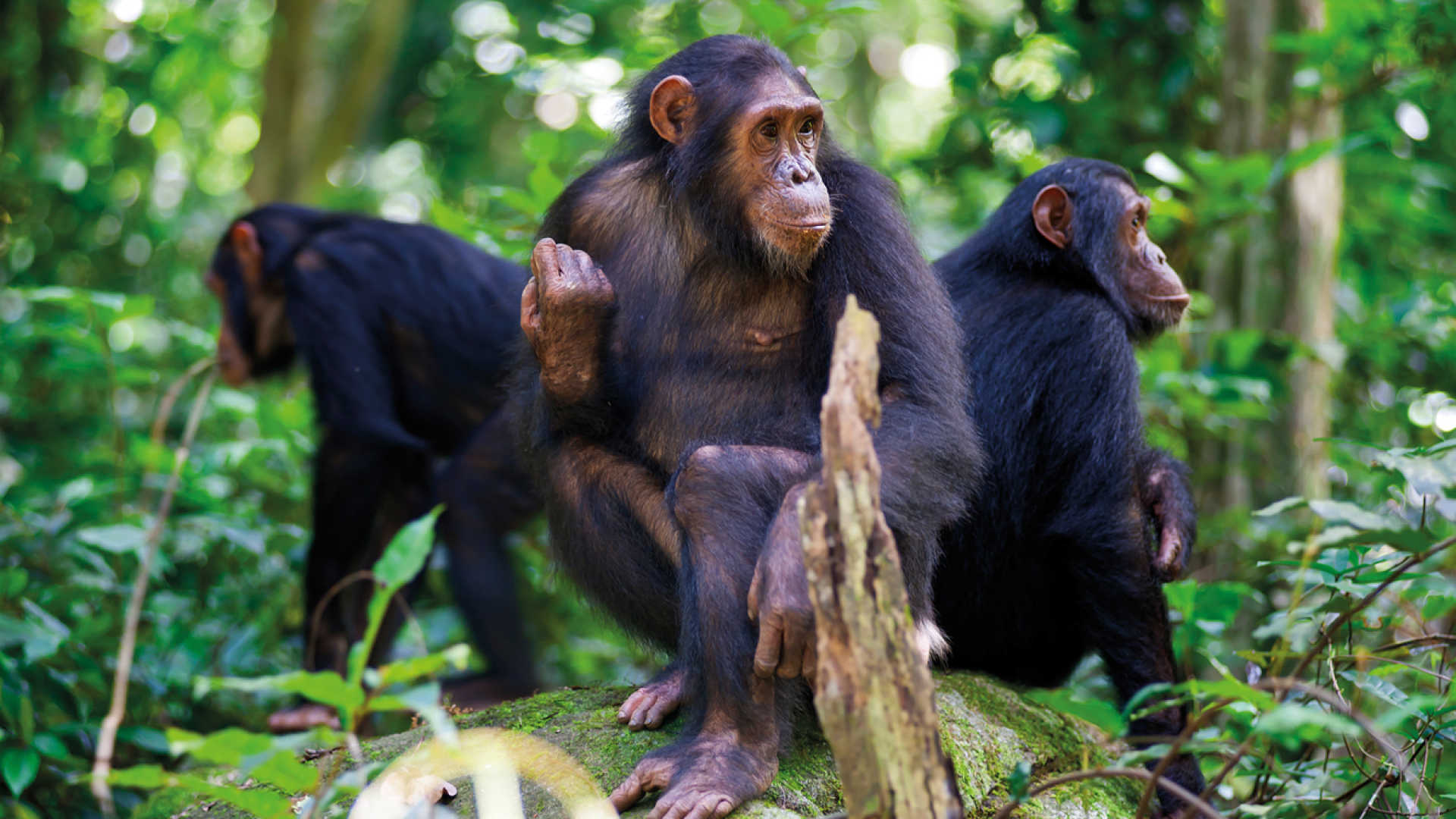
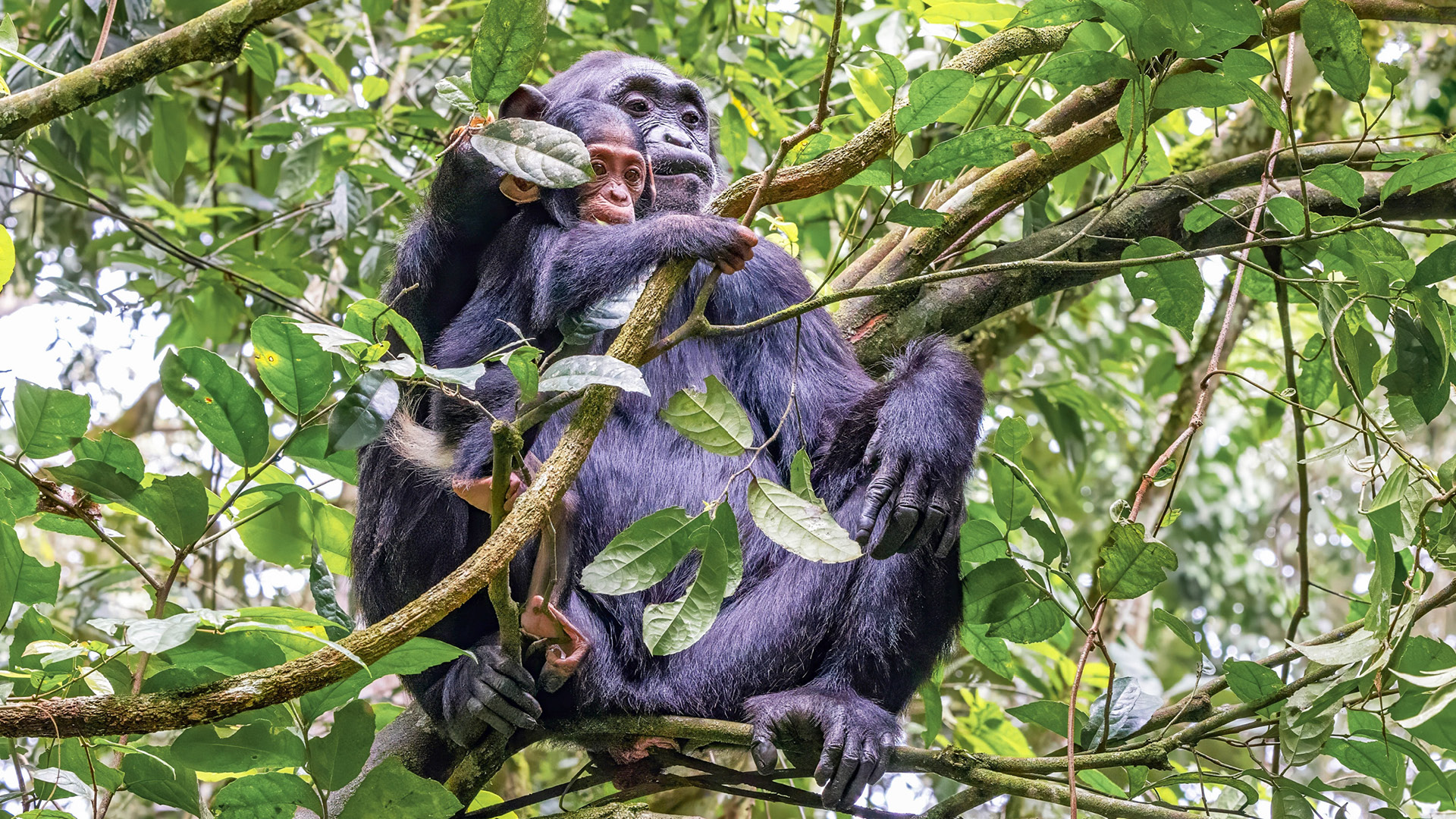
Track habituated chimpanzee families.
chimpanzee trekking in Rwanda
Long
before dawn breaks over the hills of southwestern Rwanda, trackers are already
deep in the forest listening for the calls of a chimpanzee community waking up
for the day. This is where chimpanzee trekking in Rwanda begins, hours before
most visitors have finished breakfast. Rwanda's single chimpanzee trekking
destination, Nyungwe Forest National Park, is one of the oldest rainforests in
Africa and home to several habituated chimpanzee communities. This guide covers
everything you need to plan chimpanzee trekking in Rwanda, from where to go and
what a permit costs, to the best season, what to pack, and how the day itself
unfolds.
Why Chimpanzee Trekking in Rwanda
Rwanda
often gets overshadowed by its own reputation for gorilla trekking, but
chimpanzee trekking in Rwanda is a distinct and rewarding experience in its own
right. Nyungwe Forest is a vast, ancient montane rainforest that has existed
largely undisturbed for millions of years, and it supports a far wider range of
primates than just chimpanzees, including several species of monkey found
nowhere else in East Africa. Because chimpanzees are more mobile and less
predictable than mountain gorillas, chimpanzee trekking in Rwanda tends to be a
longer, more physically demanding day, which many visitors find adds to the
sense of genuine wilderness adventure rather than a scripted encounter.
The
forest itself is a destination in its own right. Nyungwe holds record numbers
of tree and orchid species for the region, dense stands of ancient hardwood,
and a network of hiking trails that wind through valleys, waterfalls, and swamp
forest. Visitors doing chimpanzee trekking in Rwanda often extend their stay by
a day simply to take in the rest of what the park has to offer, from the canopy
walkway to birdwatching walks aimed at Nyungwe's exceptional list of forest
specialists.
For
travellers weighing up where to spend limited time in East Africa, chimpanzee
trekking in Rwanda has a practical advantage too: Nyungwe sits within a
manageable drive of both Kigali and the Rwanda-Burundi border, and permits are
considerably easier to secure on short notice than Rwanda's gorilla permits,
making it a realistic add-on even for travellers building a tight itinerary
around a single primate encounter.
Where to Go: Nyungwe Forest and Cyamudongo
Nyungwe
Forest National Park, in the far southwest of Rwanda near the Burundi border,
is the country's only location for chimpanzee trekking. Within the park, there
are two distinct areas where treks are organised.
The
main Nyungwe block holds the largest habituated chimpanzee community, based
around the park's central Uwinka area. Treks here start early and can cover
significant ground, since this community ranges widely across the forest in
search of fruiting trees.
Cyamudongo
Forest is a smaller, detached patch of forest a short drive from the main park,
with its own separate habituated community. Because the forest fragment is much
smaller than the main block, chimpanzee trekking in Rwanda at Cyamudongo tends
to involve less walking and a higher chance of a shorter, more predictable
trek, which makes it a popular choice for travellers who want the experience
without a full-day hike.
Both
areas are managed by the Rwanda Development Board, and permits are issued
separately for each, so travellers should confirm which location their trek is
booked for well before arrival. Operators sometimes offer a choice at booking,
and for travellers primarily interested in a shorter, more contained trek,
requesting Cyamudongo specifically for chimpanzee trekking in Rwanda can make
for a considerably easier day.
Best Time for Chimpanzee Trekking in Rwanda
Chimpanzee
trekking in Rwanda happens year-round, but the two dry seasons, roughly June to
September and December to February, offer firmer trails and a lower chance of
rain interrupting the trek. Nyungwe is a genuine rainforest, so some rain
should be expected in any season, and the wetter months from March to May bring
the heaviest downpours along with muddier, more challenging terrain.
Chimpanzees also tend to range further afield in search of fruit during the
drier months, which can mean longer treks even as trail conditions improve, so
travellers doing chimpanzee trekking in Rwanda in dry season should still be
prepared for a full day in the forest.
What to Expect on the Day
A
day of chimpanzee trekking in Rwanda begins earlier than almost any other
primate trek in East Africa, with briefings typically starting around 5 a.m. so
trackers can locate the community before it moves far from its overnight
nesting site. Visitors are grouped, briefed on forest etiquette, and led into
the park by an armed ranger guide. Because chimpanzees travel through the
canopy and across the forest floor far more quickly than gorillas, the hike
itself can be brisk and occasionally require some scrambling over roots and
streams. Once the group locates the community, visitors are given one hour to
observe them, watching behaviour that ranges from grooming and resting to
noisy, dramatic bursts of pant-hoots that echo through the canopy.
The
return hike retraces the morning's route back to the trailhead, typically
finishing by early afternoon. Many operators build in enough time afterward for
lunch and an optional walk to one of Nyungwe's waterfalls or along the canopy
walkway, making it possible to fill an entire day around a single permit.
Because so much of chimpanzee trekking in Rwanda depends on how far the
community has moved overnight, no two days follow quite the same script, which
is part of what visitors describe as the appeal of the experience.
Fitness and Difficulty
Chimpanzee
trekking in Rwanda is a genuinely strenuous activity and should not be
underestimated by travellers expecting something closer to a nature walk.
Trails in the main Nyungwe block can involve steep, muddy sections and stream
crossings, and because chimpanzees move faster and further than gorillas, treks
here are on average longer and more physically demanding. Cyamudongo offers a
somewhat gentler alternative given its smaller size, and is worth requesting
for travellers with limited hiking experience or less time available. A walking
stick, sturdy boots, and a reasonable baseline of fitness will make the day
considerably more comfortable regardless of which forest block you trek in.
Travellers recovering from injury or with significant mobility concerns should
discuss options with their operator before booking, since chimpanzee trekking
in Rwanda cannot be shortened or adjusted once underway the way some other
guided walks can.
What to Pack
Because
chimpanzee trekking in Rwanda takes place in dense, high-altitude rainforest,
preparation matters. Waterproof hiking boots, a rain jacket, long trousers, and
layers for the cool early morning start are essential, since temperatures at
Nyungwe's elevation can be noticeably colder than the rest of Rwanda. A daypack
with water, snacks, and a change of socks is worth carrying, along with
binoculars for the forest's exceptional birdlife and a camera with a fast lens
for the low light under the canopy. Gardening gloves and insect repellent round
out a sensible packing list for anyone planning chimpanzee trekking in Rwanda.
A dry bag for electronics is a worthwhile addition given how quickly Nyungwe's
weather can shift from bright sun to sudden downpour, and a spare set of
clothes left in the vehicle makes the drive back considerably more comfortable
after a muddy morning in the forest.
Where to Stay
Accommodation
near Nyungwe ranges from simple guesthouses to upscale forest lodges, with most
properties clustered close to the park's Uwinka reception area or along the
main road bordering the forest. Budget travellers doing chimpanzee trekking in
Rwanda can find guesthouse-style rooms in nearby towns, while mid-range and
luxury lodges closer to the park boundary offer easier access to the early
morning briefing and, in some cases, views directly into the forest canopy.
Because the trek begins so early, choosing a lodge close to the park
headquarters is worth prioritising over other conveniences.
Rules and Etiquette
Strict
rules govern chimpanzee trekking in Rwanda, both to protect visitors and to
keep the chimpanzees safe from human disease, to which great apes are highly
susceptible. Visitors must stay at least seven or eight metres from the
chimpanzees, keep noise to a minimum, avoid flash photography, and stay behind
if they show any signs of illness. Children under fifteen are generally not
permitted to trek, and eating or drinking near the chimpanzee community is
prohibited. Rangers may end a viewing early if the chimpanzees appear stressed
or begin to move rapidly away from the group.
Other Primates and Activities in Nyungwe
Nyungwe's
appeal extends well beyond chimpanzee trekking in Rwanda. The park is home to
one of Africa's largest troops of Angola colobus monkeys, sometimes numbering
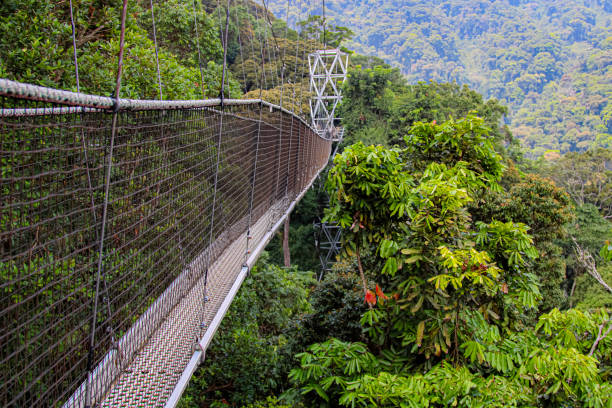
several hundred individuals, along with a canopy walkway suspended high above
the forest floor, one of the few of its kind in East Africa. Birdwatchers are
drawn to Nyungwe for its long list of Albertine Rift endemics, and several
well-marked day-hiking trails lead to waterfalls scattered through the forest.
Many travellers combine a colobus monkey walk or the canopy walkway with their
chimpanzee trek to make the most of a single day or two in the park. Booking
both activities in the same visit is generally straightforward, and pairing the
canopy walkway with chimpanzee trekking in Rwanda is one of the most popular
combinations among visitors who have an extra half-day to spare.
Combining with a Broader Rwanda Itinerary
Most
visitors pair chimpanzee trekking in Rwanda with the country's other signature
experience, gorilla trekking in Volcanoes National Park in the north. A popular
route links Nyungwe with a rest stop on the shores of Lake Kivu before
continuing north to the gorillas, turning a single primate trek into a full
Rwanda circuit that also takes in cultural sites in Kigali and the country's
dramatic terraced hillsides along the way. Travellers with more time sometimes
extend the itinerary further into neighbouring Uganda or Tanzania.
Because
Rwanda is compact by regional standards, moving between Nyungwe and the rest of
the country is more straightforward than similar multi-park circuits elsewhere
in East Africa. A well-planned itinerary can comfortably fit chimpanzee
trekking in Rwanda, a day or two on Lake Kivu, and a gorilla trek in the north
within a single week, without the long overland transfers that a comparable
circuit would require in Uganda or Tanzania.
Frequently Asked Questions about chimpanze trekking in Rwanda
Is chimpanzee trekking in Rwanda difficult?
It
is more physically demanding than gorilla trekking on average, since
chimpanzees range further and move faster through the forest.
How much does chimpanzee trekking in Rwanda cost?
Where does chimpanzee trekking in Rwanda take place?
Almost
entirely in Nyungwe Forest National Park, either in the main forest block or
the smaller Cyamudongo Forest nearby.
Can chimpanzee trekking in Rwanda be combined with gorilla trekking?
Yes,
many itineraries combine Nyungwe with Volcanoes National Park in the north for
a full primate-focused Rwanda circuit.
Gallery
Ready to plan this experience?
Get a tailored, no-obligation quote from our safari specialists.
Request a Quote