Kibale Forest Camp
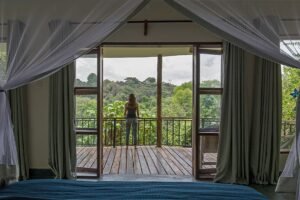
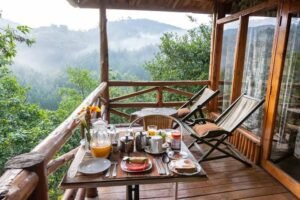
Kibale Forest Camp is a comfortable accommodation option near Kibale National Park , offering travellers a peaceful setting from which to explore one of Uganda’s most remarkable rainforest destinations. Set within a natural forest environment, the camp provides an authentic atmosphere where guests can enjoy the sights and sounds of the surrounding wilderness.
The camp is particularly well suited for travellers visiting Kibale for chimpanzee trekking in Uganda . Its location also provides opportunities to enjoy forest experiences, birdwatching, nature walks, and visits to the nearby Bigodi Wetland area. The surrounding forest is home to a variety of primates and bird species, making the area especially rewarding for wildlife and nature enthusiasts.
With its safari-style accommodation and peaceful forest setting, Kibale Forest Camp is a practical choice for travellers spending time in Kibale. Whether you are planning a short chimpanzee trekking adventure or including Kibale as part of a longer Uganda safari , the camp offers a relaxing place to enjoy the natural beauty of western Uganda.
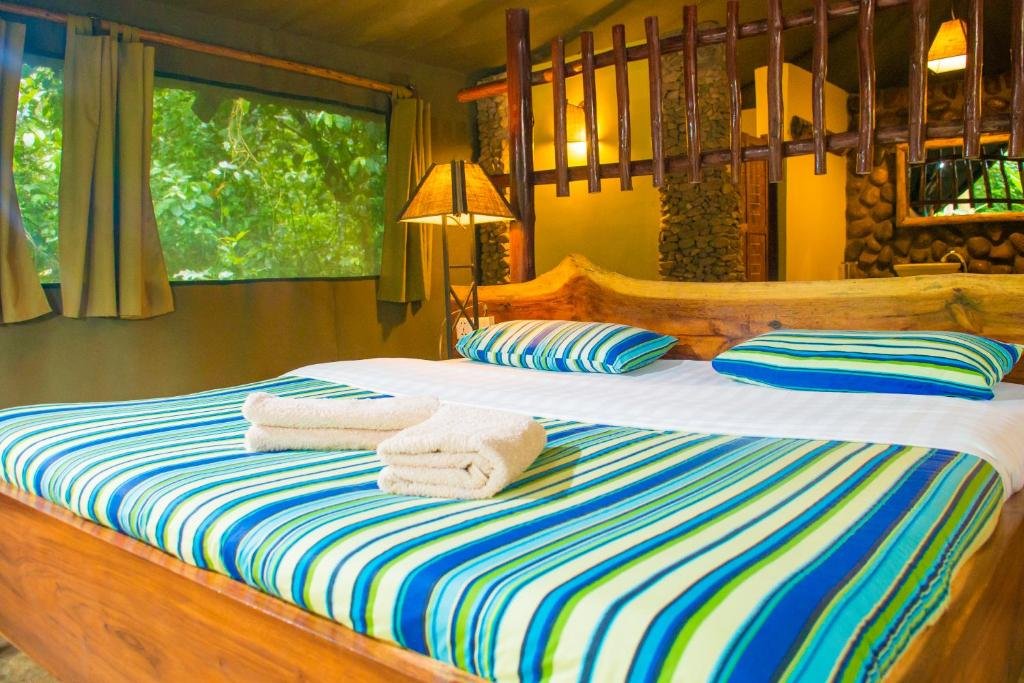
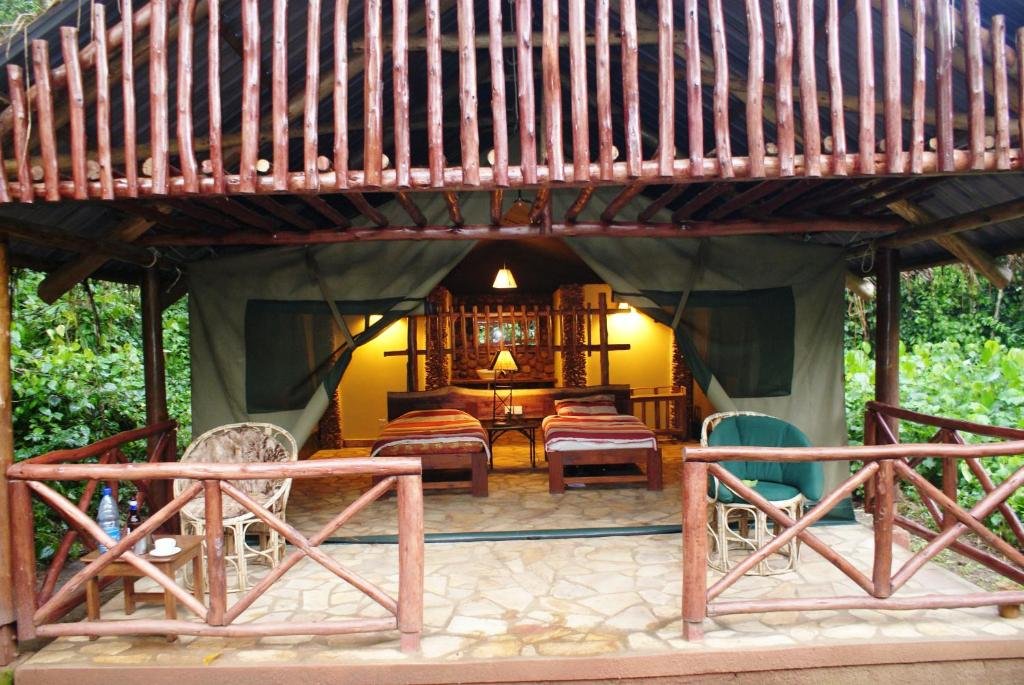
Accommodation at Kibale Forest Camp
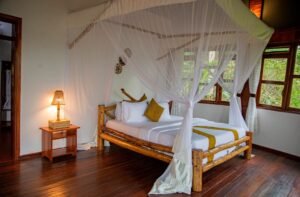
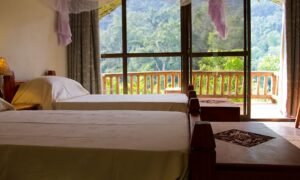
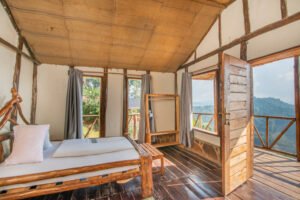
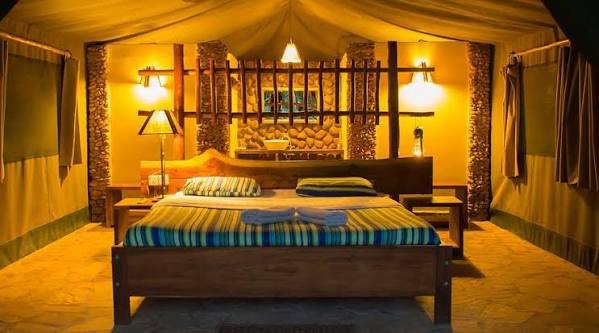
Kibale Forest Camp offers comfortable accommodation options for travellers visiting Kibale Forest. Whether travelling alone, as a couple, or with a friend, guests can choose a room setup that suits their safari stay.
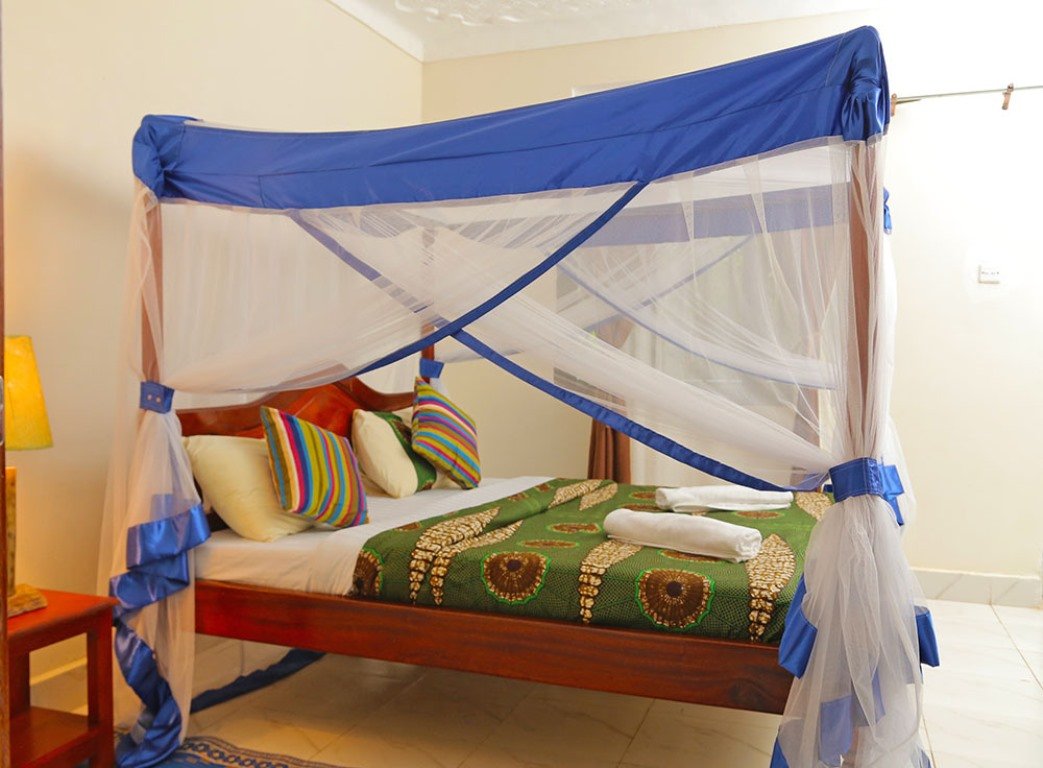
Single Room
The single accommodation is a comfortable option for solo travellers exploring Kibale Forest, providing a peaceful place to relax after chimpanzee trekking and other forest activities.
Double Room
The double room is well suited to couples or two travellers sharing accommodation. It provides a relaxing base for enjoying the natural surroundings of Kibale and exploring the national park.
Twin Room
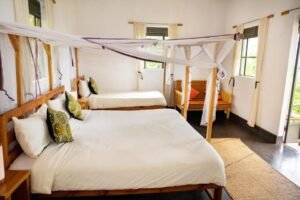
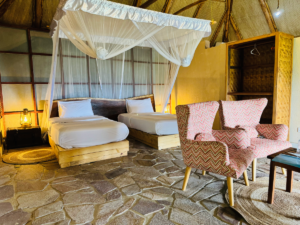
The twin room is a convenient choice for friends or safari travellers who prefer separate beds while sharing the same accommodation during their Kibale Forest adventure.
Why Stay at Kibale Forest Camp?
Kibale Forest Camp offers a peaceful setting for travellers exploring Kibale Forest and looking for comfortable accommodation close to Uganda’s famous chimpanzee trekking experiences.
Peaceful Forest Setting
Enjoy a relaxing atmosphere surrounded by the natural beauty of the Kibale Forest area, away from the busy city environment.
Comfortable Accommodation
Choose from different room options designed to provide a comfortable place to rest during your Kibale safari adventure.

Ideal for Chimpanzee Trekking
The camp is a convenient accommodation choice for travellers visiting Kibale for chimpanzee trekking and other forest experiences.
Explore Kibale Forest
Use the camp as a base for discovering the rainforest, its wildlife, birdlife, and surrounding natural attractions.
Great for Nature Experiences
Enjoy opportunities for birdwatching, nature walks, and exploring the diverse landscapes around Kibale National Park.
Perfect for Uganda Safaris
Kibale Forest Camp can easily form part of a wider Uganda safari, especially when combining Kibale with other wildlife destinations.
Frequently Asked Questions
Find answers to common questions about accommodation, chimpanzee trekking, activities, and staying near Kibale National Park.
The camp is located near Kibale National Park in western Uganda, making it a convenient base for travellers exploring the rainforest and surrounding attractions.
Yes. Its location makes it a convenient accommodation option for visitors coming to Kibale for chimpanzee trekking and other forest experiences.
Accommodation options include single, double, and twin rooms, giving solo travellers, couples, friends, and safari companions different choices for their stay.
Visitors can enjoy chimpanzee trekking, birdwatching, nature walks, forest experiences, and visits to attractions such as Bigodi Wetland Sanctuary.
Yes. Double rooms provide a suitable option for couples, while twin rooms can be convenient for friends or travellers sharing a safari.
Yes. The accommodation can form part of a wider Uganda safari, particularly itineraries combining Kibale with destinations such as Queen Elizabeth National Park, Bwindi, or Murchison Falls.