Rwenzori Mountains National Park is a breathtaking mountain park in western Uganda known for its snow-capped peaks, glaciers, waterfalls, and lush forests, offering adventurous trekking experiences in one of Africa’s most stunning natural landscapes.
Overview
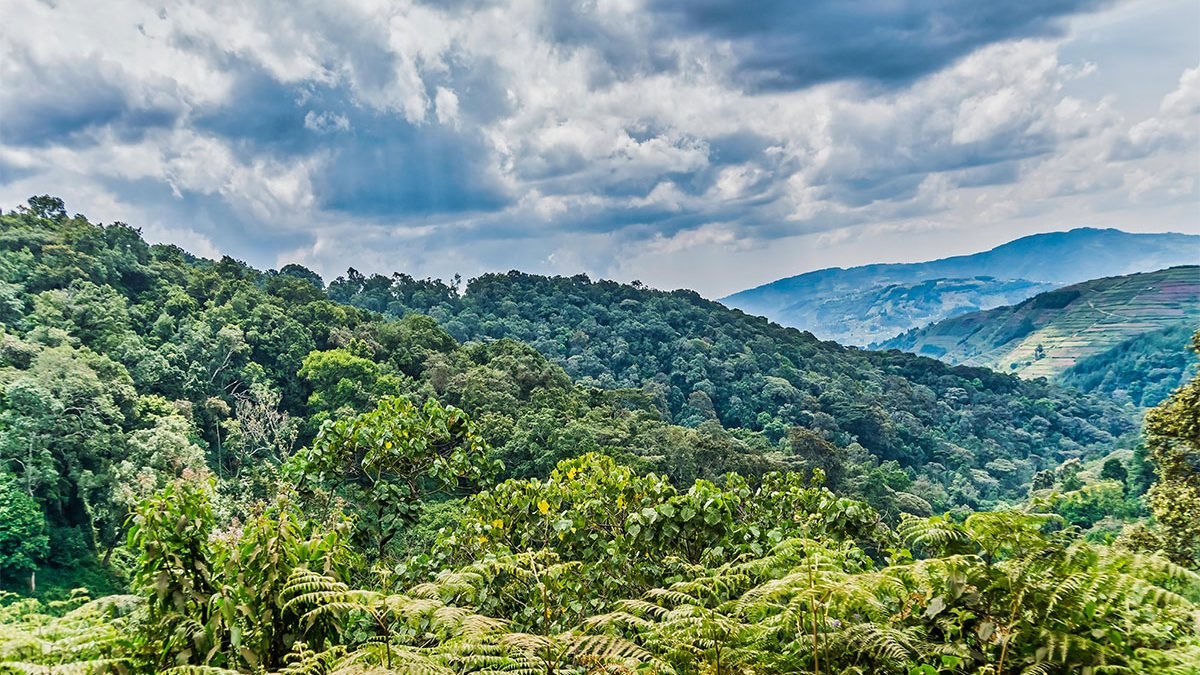
Rwenzori Mountains National Park is a spectacular UNESCO World Heritage Site located in western Uganda along the border with the Democratic Republic of Congo. The park is famous for the legendary Rwenzori Mountains, also known as the “Mountains of the Moon,” which feature snow-capped peaks, glaciers, waterfalls, rivers, and unique alpine vegetation.
Covering about 996 square kilometers, the park offers breathtaking scenery ranging from tropical rainforests and bamboo forests to high-altitude moorlands and icy summits. It is home to Africa’s third-highest mountain peak, Margherita Peak on Mount Stanley, attracting adventurous hikers and mountaineers from around the world.
The park also hosts diverse wildlife including forest elephants, buffaloes, primates, and many bird species, making it not only a trekking destination but also a rich ecological reserve. Its dramatic landscapes, cool mountain climate, and challenging hiking trails provide one of Africa’s most rewarding adventure and nature experiences.
Activities & What to See/Do
Wildlife Highlights
## Forest Elephants
Smaller than savannah elephants, forest elephants live within the park’s dense mountain forests. They move quietly through thick vegetation feeding on leaves, fruits, and bark, and are rarely seen due to the rugged terrain and heavy forest cover.v
## Buffaloes
African buffaloes inhabit the lower forest zones and open clearings of the park. They usually move in groups while grazing and are strong, defensive animals that contribute to the park’s rich biodiversity.
## Leopards
Leopards are among the park’s most secretive predators. They live in forested and rocky mountain areas where they hunt small mammals and antelopes, though sightings are rare because of their shy and nocturnal nature.
## Chimpanzees
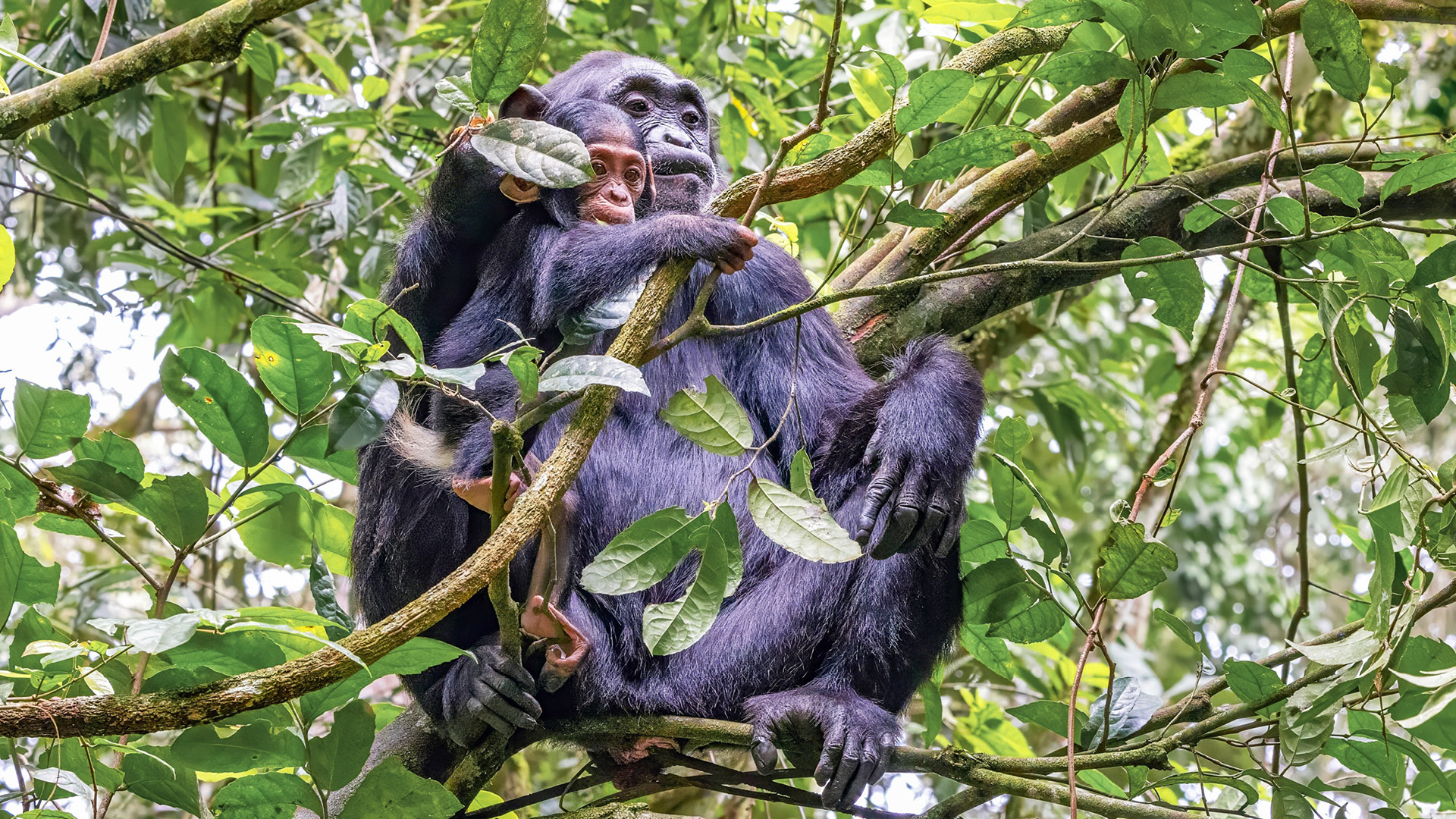
Chimpanzees live in the lower montane forests and are known for their intelligence and social behavior. They communicate through loud calls and gestures and are sometimes heard before they are seen swinging through the trees.
## Colobus Monkeys
Black-and-white colobus monkeys are common in the forest canopy. They move gracefully between treetops in groups and are easily recognized by their long white fur and playful behavior.
## Blue Monkeys
These small and active monkeys inhabit the dense forests where they feed on fruits and leaves. They are often seen jumping quickly through branches and are known for their curious nature.
## Duikers
Duikers are small, shy antelopes that live in forest undergrowth. They move quietly and are mostly active during early morning and evening hours.
## Birds
The park hosts over 200 bird species including many rare Albertine Rift endemics. Bird lovers can spot colorful turacos, handsome francolins, and the rare Rwenzori turaco within the forest zones.
Introduction
Rwenzori Mountains National Park is a breathtaking mountain park in western Uganda known for its snow-capped peaks, glaciers, waterfalls, and lush forests, offering adventurous trekking experiences in one of Africa’s most stunning natural landscapes.
Ready to Visit Rwenzori Mountains?
Contact us today and let our expert team help you plan the perfect safari adventure.
Request a Quote