Best Time to Visit Uganda 2026 - Complete Month-by-Month Safari Guide
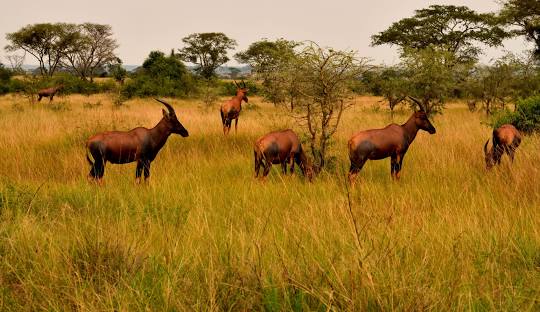
Planning a Uganda safari? Discover the best time to visit Uganda for gorilla trekking, game drives, chimp tracking and birdwatching. Month-by-month weather guide, dry season vs wet season explained.
INTRODUCTION
Uganda sits directly on the equator, which means it enjoys a relatively mild, tropical climate yearround making it one ofAfrica's most accessible safari destinations at any time of year. Unlike the extreme seasonal swings of East African countries further from the equator, Uganda's temperatures stay comfortable and wildlife remains active throughout all twelve months. That said, the time of year you visit Uganda makes a real difference —especially if your priority is gorilla trekking, chimpanzee tracking, or game drives. Trail conditions, rainfall, park accessibility, permit availability and accommodation prices all shift significantly between Uganda's dry and wet seasons. This guide covers everything you need to know to plan your Uganda safari at exactly the right time broken down month by month, activity by activity, and budget by budget.
Uganda's Two Dry Seasons and Two Wet Seasons
Uganda has four distinct seasons rather than the simple wet-dry split common in other East African countries. Understanding these seasons is the foundation of good safari planning.
The Two Dry Seasons (Best for Safari)
June to September -The Long Dry Season
This is Uganda's most popular and most reliable season for safari. Rainfall is minimal, forest trails are at their driest, roads in national parks are accessible and wildlife concentrates around permanent water sources making sightings more predictable
June to September is widely considered the best time for gorilla trekking in Bwindi because the steep, muddy trails of Bwindi Impenetrable Forest are considerably easier to navigate when dry. It is also peak season for chimpanzee tracking in Kibale Forest, game drives in Queen Elizabeth and Murchison Falls, and birdwatching across all parks
Expect higher accommodation rates and permit demand during this window. Gorilla trekking permits ($800 per person) should be booked at least three to six months in advance for June to September travel.
December to February The Short Dry Season
Uganda's second dry season runs from late November through February. Conditions are similar to the long dry season good road conditions, lighter vegetation making wildlife easier to spot, and reliable gorilla trekking trails. December and January are particularly good months combining dry conditions with slightly lower tourist numbers than the peak June to September window.
The Christmas and New Year period is an exception December 20 to January 5 sees higher visitor numbers and accommodation prices comparable to peak season. February is arguably one of Uganda's best-kept secrets dry conditions, excellent wildlife viewing, fewer visitors and a period when many lodges offer off-peak rates.
The Two Wet Seasons
March to May -The Long Rainy Season
Uganda's heaviest rainfall falls between March and May. Bwindi's trails become genuinely challenging steep, slippery and physically demanding even for fit hikers. Some tracks in Murchison Falls and Kidepo become difficult for vehicles. Rivers and lakes swell, and some remote areas become temporarily inaccessible.
However, the wet season has its own rewards. Landscapes are lush and intensely green. Bird activity peaks dramatically March to May is considered the best time for birding in Uganda because migratory species from Europe and northern Africa are present alongside Uganda's resident 1,070+ bird species. Accommodation rates drop significantly and crowds thin considerably.
October to November -The Short Rainy Season
Best Time for Gorilla Trekking in Uganda
Best months: June, July, August, September, December, January, February
Gorilla trekking is possible year-round in Uganda. Mountain gorillas do not hibernate or migrate they remain active in Bwindi Impenetrable Forest and Mgahinga Gorilla National Park throughout the year. The critical variable is not gorilla activity but trail conditions. Bwindi's terrain is notoriously steep and challenging even in the dry season. In the wet season particularly March to May the same trails become slippery, muddy and significantly more demanding. For travellers with limited trekking fitness or mobility concerns, the dry season is strongly recommended.
June to September is the most popular gorilla trekking period because:
- June to September: Book 4-6 months in advance
- December to February: Book 2-3 months in advance
- March to May: Book 1-2 months in advance (sometimes available at shorter notice)
- October to November: Book 2-3 months in advance
Best Time for Chimpanzee Tracking in Kibale Forest
Best months: June to September, December to February
During the dry season (June to September and December to February), chimpanzees spend more time in the forest understorey and are generally easier to locate and track. Trails are dry, walking conditions are comfortable and the chimps' natural behaviour — feeding, socialising and territorial displays is highly visible.
During the wet season, chimps tend to range more widely in search of fruit, which can make tracking more challenging and extend trek times. However Kibale's trails are less steep than Bwindi and remain walkable even in heavy rain
The Kibale chimpanzee habituation experience a full day spent with a chimpanzee community from dawn to dusk is available year-round but is particularly rewarding in the dry season when chimps are more predictable in their movements.
Best Time for Game Drives -Queen Elizabeth National Park
Best months: June to September, December to February
Queen Elizabeth National Park is Uganda's most visited wildlife reserve, covering 1,978 square kilometres of savannah, forest, wetland and volcanic crater lakes. It is home to elephants, buffaloes, hippos, lions including the famous tree-climbing lions of the Ishasha sector leopards, hyenas and over 600 bird species.- Animals congregate around the Kazinga Channel and permanent water sources
- Vegetation is lower making spotting easier
- Park tracks are dry and all sectors are accessible
- The Ishasha sector which requires long drives on dirt tracks is safely accessible
Best Time for Safari in Murchison Falls National Park
Best months: December to March, June to September
The Murchison Falls boat cruise from Paraa to the base of the falls is magnificent year-round. Hippos, crocodiles and hundreds of bird species line the banks regardless of season. During the wet season the falls themselves are even more powerful and impressive as the Nile's volume increases photographers often prefer the wet season falls for this reason.
Road access to Murchison can be challenging during the April to May peak rains when some tracks north of the Victoria Nile become impassable. A 4WD vehicle is always recommended but is essential during the wet season
Best Time for Kidepo Valley Safari
Best months: December to March
Kidepo's landscape is semi-arid savannah and rocky outcrops rather than the lush forest of
southern Uganda, which means the wet season transforms it with dramatically green vegetation
and spectacular skies. However, the remote location makes wet-season access genuinely
challenging.
December to March is the optimal time for Kidepo dry conditions, excellent road access (the roads are long and rough), and the best game viewing as wildlife congregates around the Narus and Namamukweny river valleys. Lions, cheetahs, ostriches, zorillas, bat-eared foxes and enormous elephant herds are among Kidepo's unique wildlife highlights.
Flying to Kidepo (charter flights from Entebbe or Kampala) is strongly recommended regardless of season given the 12+ hour drive from Kampala. During the wet season, flying is essentially the only practical option.
Best Time for Birdwatching in Uganda
Best months: November to April (peak), year-round excellent
- Palaearctic migrants from Europe and northern Africa arrive between November and
April, dramatically increasing species counts
- Breeding plumage is displayed by many resident species during and after the rains making identification easier and photography more rewarding
- Migratory waders, raptors and waterbirds supplement Uganda's already extraordinary resident bird diversity
- Vegetation is lush and insect activity is high, meaning birds are more active and visible
Uganda Month-by-Month Guide
January⭐⭐⭐⭐⭐
Excellent. Peak dry season conditions continue from December. Gorilla trekking trails are dry
and accessible, game drives are productive, chimpanzee tracking is reliable and visitor numbers
are lower than the June to September peak. Accommodation rates are generally lower than peak
season. One of the best months to visit Uganda overall.
February⭐⭐⭐⭐⭐
Excellent. Peak dry season conditions continue from December. Gorilla trekking trails are dry and accessible, game drives are productive, chimpanzee tracking is reliable and visitor numbers are lower than the June to September peak. Accommodation rates are generally lower than peak season. One of the best months to visit Uganda overall.
March⭐⭐⭐
April⭐⭐
June⭐⭐⭐⭐⭐
July⭐⭐⭐⭐⭐
August⭐⭐⭐⭐⭐
September⭐⭐⭐⭐⭐
Short rains begin. October is Uganda's most unpredictable month the short rains arrive but
timing and intensity vary significantly by year. Game drives and boat cruises remain good.
Gorilla trekking is possible but trails can be wet and slippery after rainfall. Accommodation rates
begin to drop.
November⭐⭐⭐
December⭐⭐⭐⭐
What to Pack for a Uganda Safari by Season
Dry Season Packing (June-September, December-February)
- Neutral-coloured safari clothing (khaki, olive, beige avoid bright colours)
- Lightweight long-sleeved shirts for sun and insects
- Warm fleece or light jacket for Bwindi mornings (even in dry season)
- Waterproof jacket afternoon showers are possible even in dry season
- Sturdy waterproof hiking boots for gorilla trekking
- Gaiters for walking through vegetation
- Sunscreen, sunglasses and a wide-brimmed hat
- Insect repellent (DEET-based for malaria prevention)
- Binoculars for game drives and birdwatching
Wet Season AdditionalItems
- Heavy-duty waterproof jacket and trousers
- Extra pairs of socks and moisture-wicking underlayers
- Waterproof stuff sacks or dry bags for cameras and electronics
- Trekking poles for slippery Bwindi trails
- Waterproof hiking boots with good ankle support (essential)
- Gaiters to keep mud out of boots
FrequentlyAsked Questions Best Time to Visit Uganda
1. Is Uganda worth visiting in the rainy season?
Yes, absolutely. The wet season has real advantages dramatically lower prices (sometimes 30-
40% less than peak season), near-private gorilla trekking experiences, lush green landscapes
perfect for photography, and the best birdwatching of the year. If you are physically fit, properly
equipped and willing to embrace the mud, the wet season can be one of the most memorable
times to visit Uganda.
2. What is the absolute best month to visit Uganda?
For the combination of conditions, crowds and value, February is hard to beat. Dry season
conditions prevail, gorilla trekking trails are in excellent shape, wildlife viewing is outstanding
and visitor numbers are at their lowest outside the April-May wet season. Accommodation rates
are generally lower than peak season making February an excellent choice for budget-conscious
travellers without compromising on conditions
3. Can I combine Uganda with Rwanda gorilla trekking?
Yes, and it is a very popular combination. Many travellers fly into Entebbe, trek gorillas in Bwindi,
then cross the border to Rwanda to trek gorillas in Volcanoes National Park before flying home
from Kigali. The best time for this combination is the same as Uganda June to September and
December to February. Uganda permits cost $800 per person and Rwanda permits cost $1,500
per person.
4. How far in advance should I book a Uganda safari?
For peak season travel (June to September), book your gorilla trekking permits and accommodation at least 4-6 months in advance. For December to February, 2-3 months is usually sufficient. For wet season travel (March to May, October to November), permits are often available with 4-6 weeks notice. Contact Calm Africa Safaris as early as possible — we handle all permit reservations on your behalf.
5. Do I need vaccinations for Uganda?
6. What currency is used in Uganda and how do I pay?
Plan Your Uganda Safari With Calm Africa Safaris
Related Topics
Author
BARIGYE DAVIS
Safari expert and wildlife enthusiast with years of experience leading expeditions across East Africa. Passionate about conservation and sharing the magic of the wild.