Birding in Uganda
Discover why Uganda is Africa's premier bird watching destination with over 1,070 bird species - more than half of Africa's total bird species in a country the size of Great Britain. From the rare Shoebill Stork to colorful Great Blue Turacos, Uganda offers exceptional birding opportunities in diverse habitats ranging from tropical rainforests to savanna wetlands and montane forests.
Birding in Uganda: Discover Africa's Premier Birdwatching Destination
Birding in Uganda is widely regarded as one of the finest wildlife experiences in Africa, attracting bird enthusiasts from around the world to explore the country's remarkable diversity of habitats and bird species. Despite its relatively small size, Uganda boasts more than 1,000 recorded bird species, representing nearly half of Africa's bird population and making it one of the continent's leading birdwatching destinations. From the mist-covered forests of Bwindi and the wetlands of Mabamba Swamp to the savannah plains of Queen Elizabeth and Murchison Falls National Parks, the country offers an extraordinary variety of ecosystems that support both resident and migratory birds throughout the year.
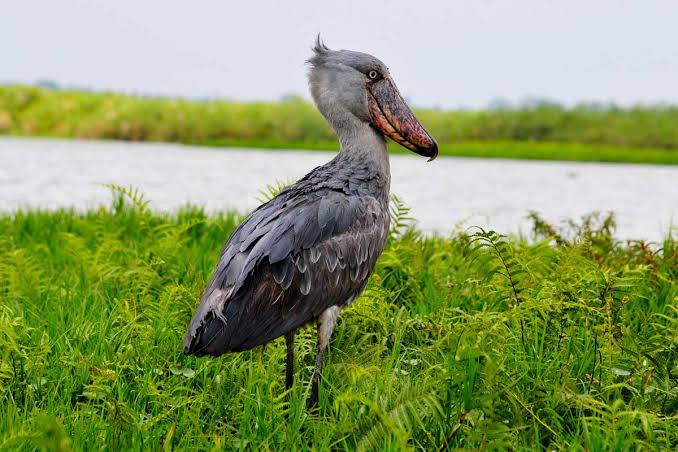
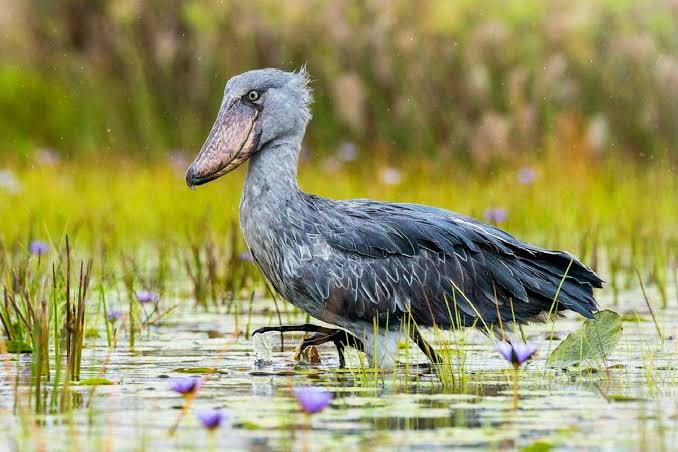
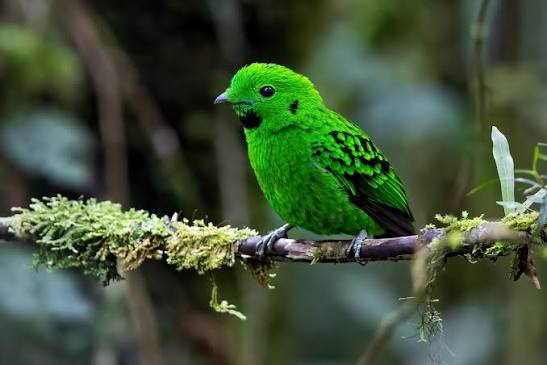
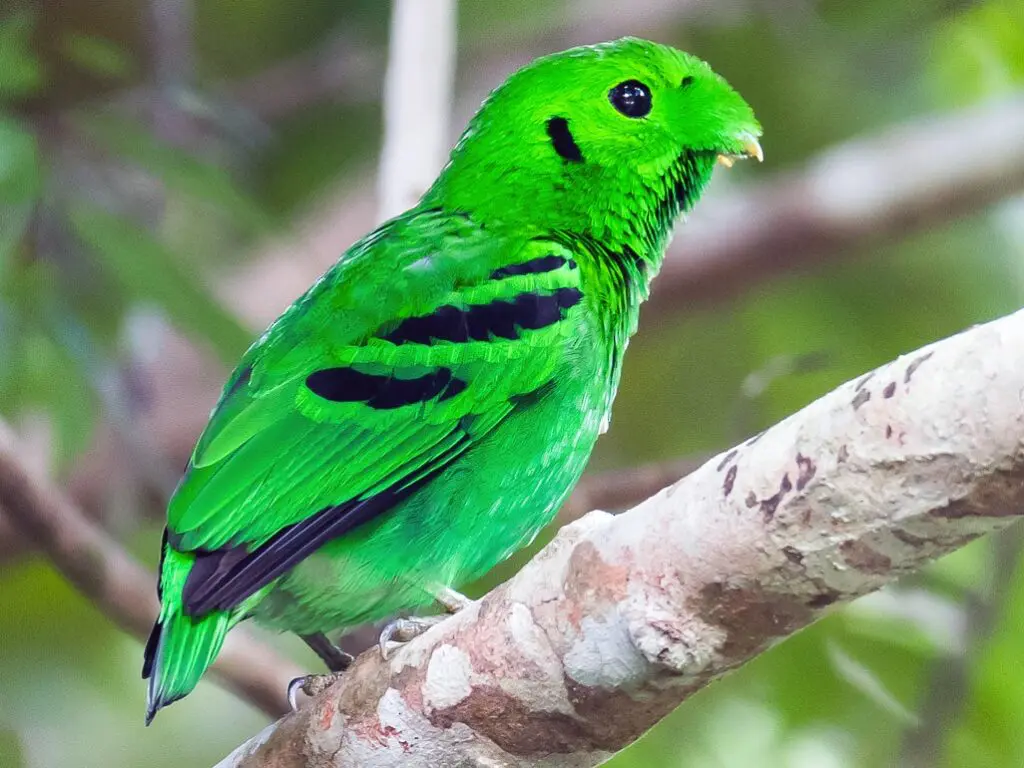
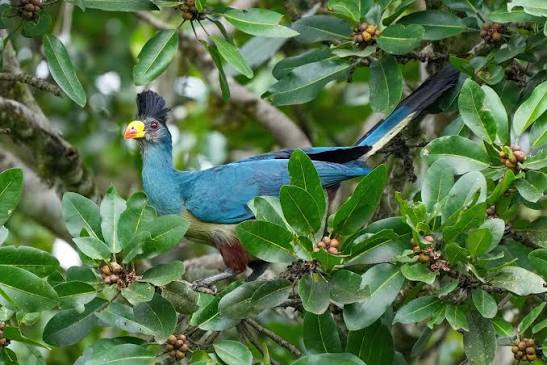
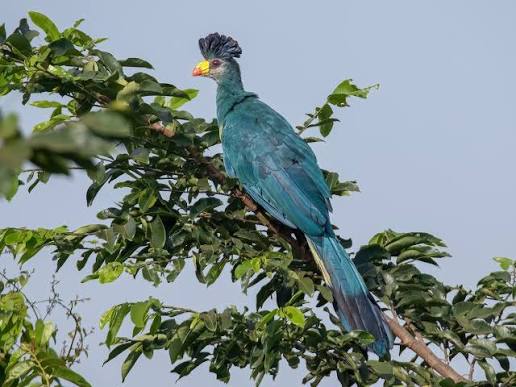
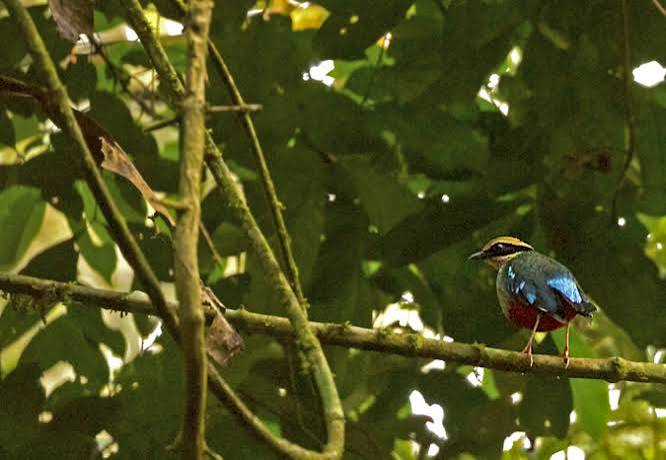
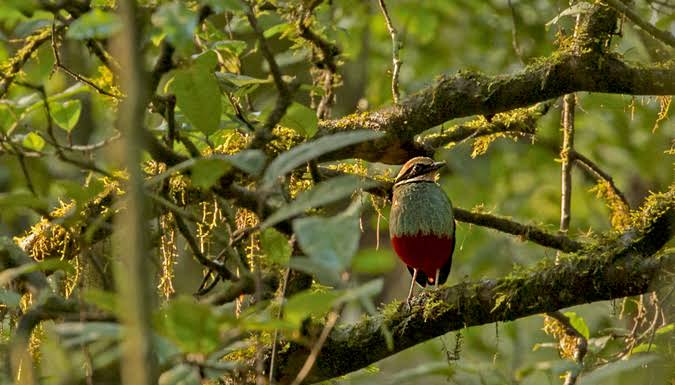
What makes birding in Uganda particularly rewarding is the opportunity to observe rare and highly sought-after species within a relatively compact travel circuit. Birders can search for iconic species such as the Shoebill Stork, African Green Broadbill, Green-breasted Pitta, Great Blue Turaco, Fox's Weaver, and Shelley’s Crimsonwing while also enjoying sightings of hundreds of colorful forest, wetland, and savannah birds. Uganda's position at the intersection of East African savannahs, Central African rainforests, and the Albertine Rift creates ideal conditions for an exceptional concentration of birdlife that is difficult to match anywhere else in Africa.
Beyond the impressive species count, birding in Uganda offers visitors the chance to combine birdwatching with other unforgettable safari experiences. Many travelers include gorilla trekking in Bwindi Impenetrable National Park, chimpanzee tracking in Kibale Forest, wildlife safaris in Queen Elizabeth National Park, or boat cruises along the Nile and Kazinga Channel as part of a broader Uganda safari. This unique combination of birds, wildlife, primates, and spectacular landscapes allows visitors to enjoy a diverse and rewarding adventure while exploring some of East Africa's most beautiful natural environments.
Whether you are an experienced birder searching for rare Albertine Rift endemics or a beginner hoping to spot your first Shoebill Stork, Uganda offers year-round birdwatching opportunities supported by knowledgeable local guides, well-established birding trails, and protected conservation areas. With its exceptional biodiversity, welcoming tourism infrastructure, and unmatched variety of habitats, Uganda has earned its reputation as one of Africa's premier birding destinations and remains a must-visit destination for anyone passionate about birds and nature.
Why Birding in Uganda Is So Special
Uganda has earned a reputation as one of Africa's top birdwatching destinations because of its incredible concentration of birdlife and the diversity of habitats found across the country. For anyone interested in birding in Uganda, the sheer variety of species and ecosystems creates opportunities to observe birds that would normally require travel across multiple African countries. From tropical rainforests and papyrus swamps to open savannahs, mountain forests, lakes, and river systems, Uganda offers an exceptional range of environments that support bird species throughout the year.
One of the main reasons birding in Uganda is so rewarding is the country's remarkable bird diversity. More than 1,000 bird species have been recorded in Uganda, representing approximately 50% of all bird species found in Africa and around 11% of the world's total bird population. This impressive number includes forest specialists, water birds, raptors, migratory species, and some of the continent's rarest endemic birds. Few destinations can offer such a high concentration of birdlife within a relatively compact geographical area.
Uganda is also home to several Albertine Rift endemic species, making it a dream destination for serious birders. These birds are largely restricted to the Albertine Rift mountain forests and cannot easily be seen elsewhere. Species such as the African Green Broadbill, Shelley’s Crimsonwing, Handsome Francolin, Regal Sunbird, and Rwenzori Turaco attract birdwatchers from around the world who visit specifically to search for these rare and localized birds.
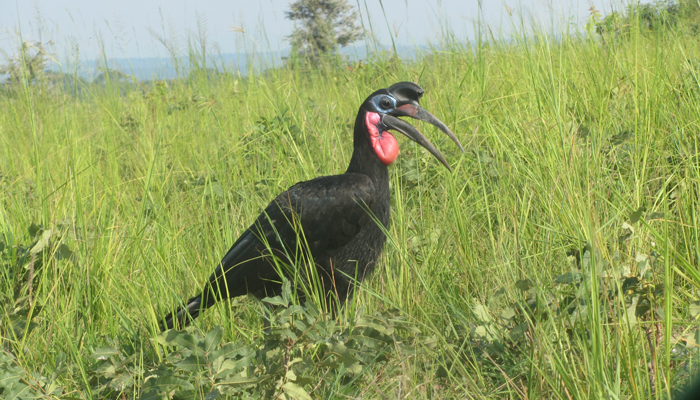
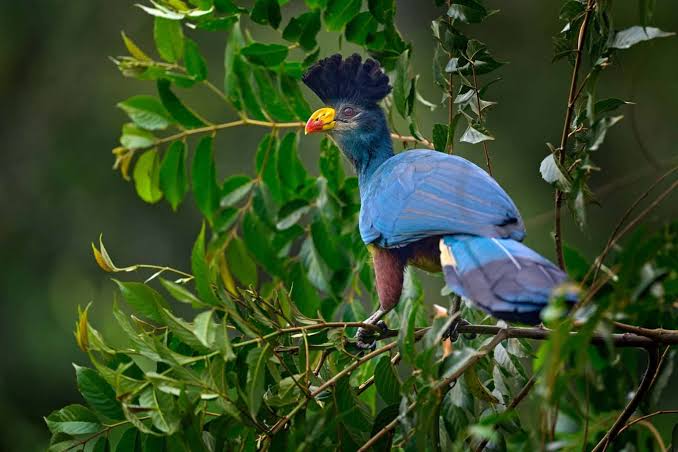
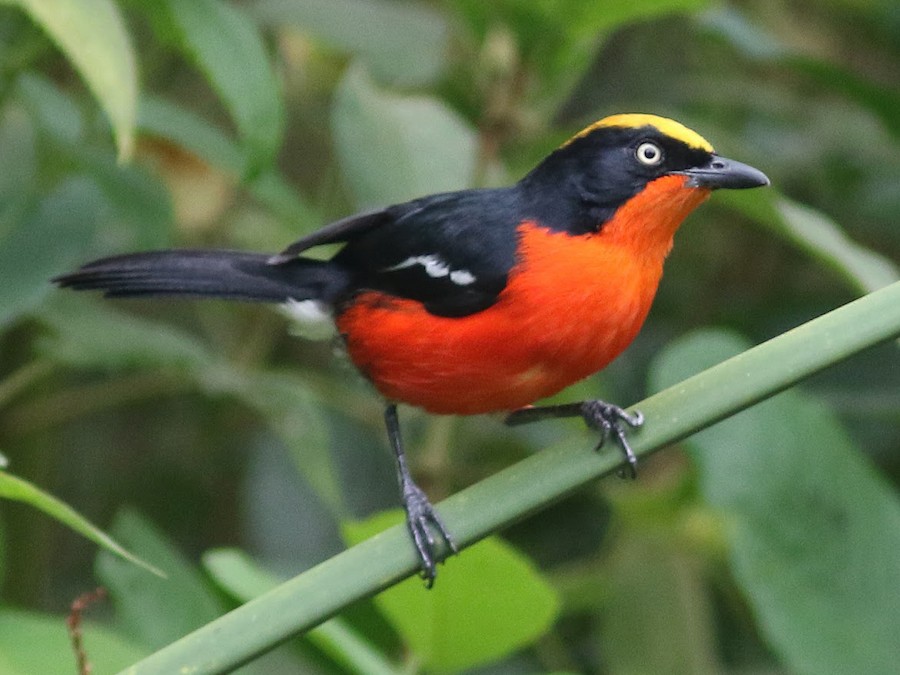
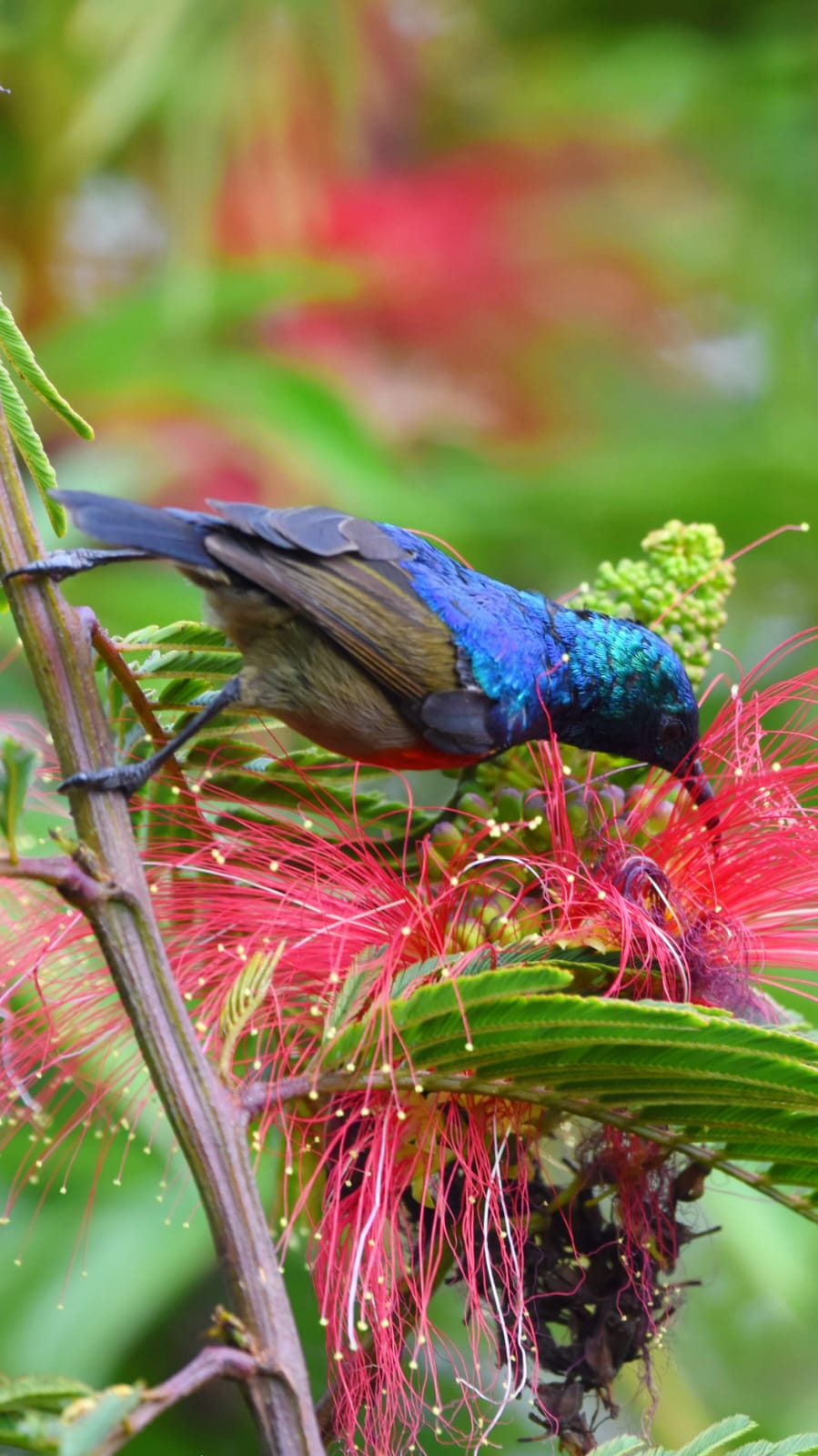
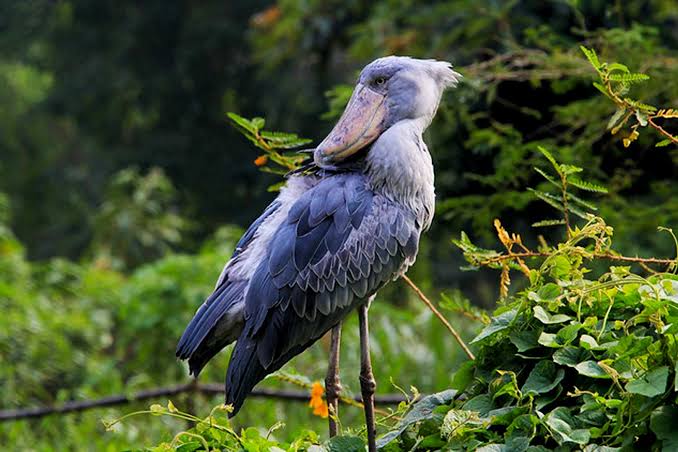
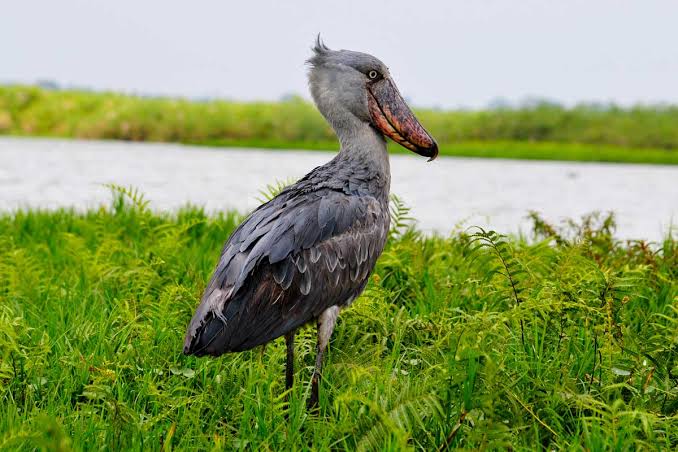
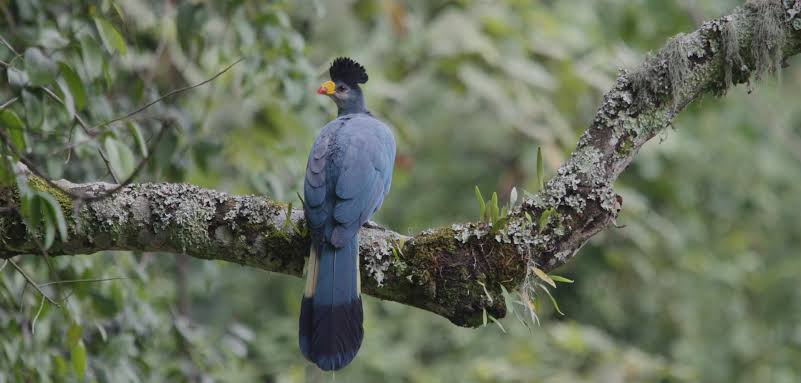
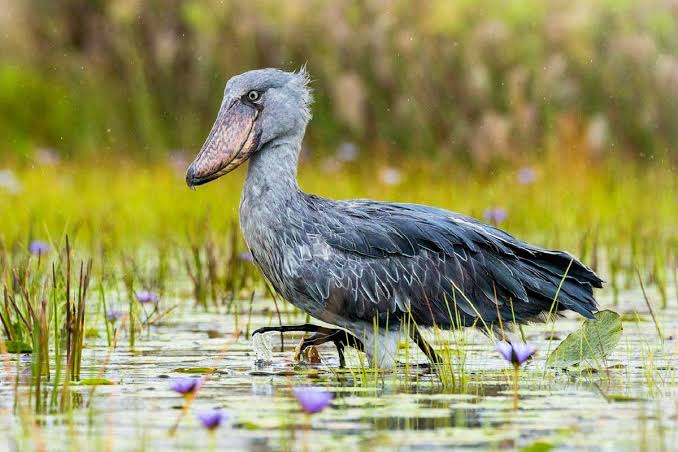
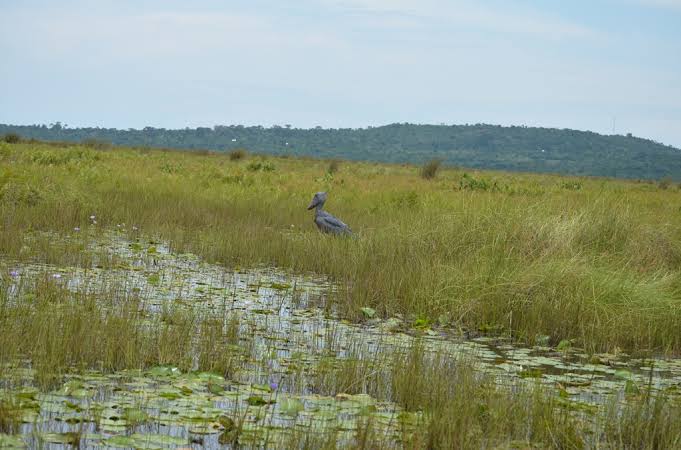
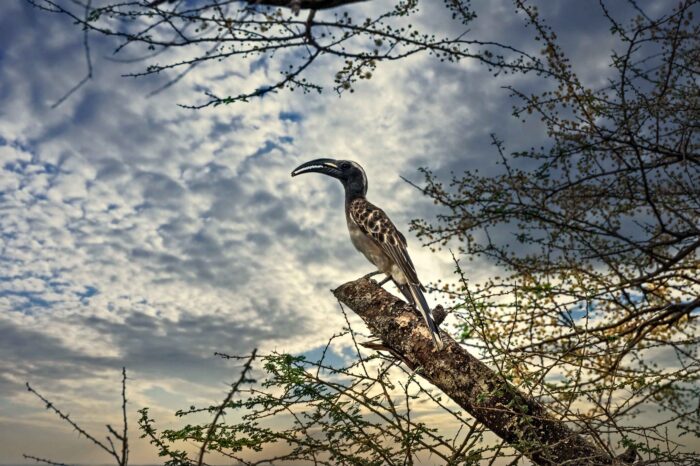
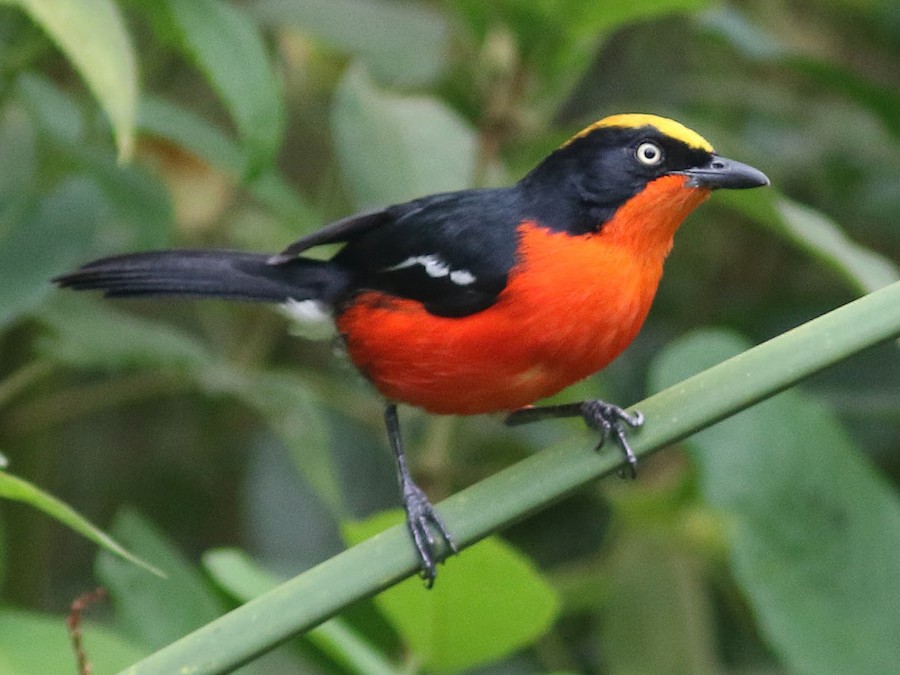
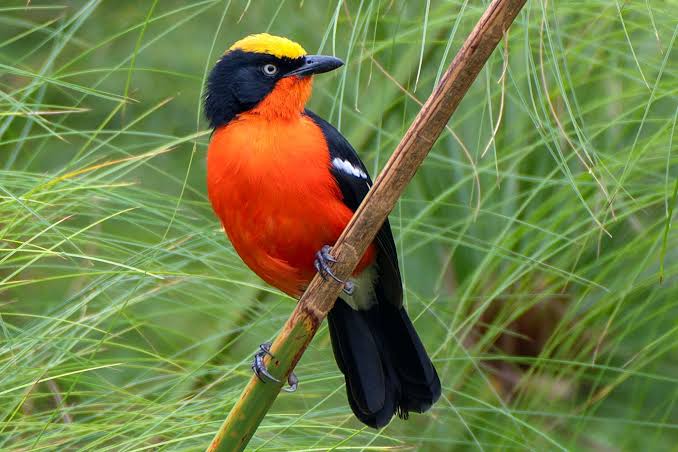
Another highlight of birding in Uganda is the opportunity to encounter iconic species that appear on many birders' wish lists. The prehistoric-looking Shoebill Stork remains one of the country's most famous attractions and can be searched for in wetlands such as Mabamba Swamp and the Nile Delta in Murchison Falls National Park. Other sought-after species include the Great Blue Turaco, Green-breasted Pitta, Papyrus Gonolek, African Finfoot, and numerous colorful kingfishers, bee-eaters, hornbills, and sunbirds.
The country's strategic location also makes it an important destination for migratory birds. Between November and April, various migratory species arrive from Europe and Asia, adding to Uganda's already impressive bird list. This seasonal movement provides additional opportunities for birdwatchers to observe species that are not present throughout the year.
Perhaps what truly sets birding in Uganda apart is the ability to combine birdwatching with other world-class wildlife experiences. A single itinerary can include birding in ancient forests, tracking mountain gorillas in Bwindi, observing chimpanzees in Kibale Forest, enjoying wildlife safaris in Queen Elizabeth National Park, and taking boat cruises along some of Africa's most scenic waterways. This diversity ensures that every day offers something different while maintaining excellent birding opportunities throughout the journey.
For both dedicated birdwatchers and casual nature enthusiasts, Uganda provides a unique blend of biodiversity, accessibility, and unforgettable wildlife encounters. Its combination of rare species, varied habitats, and outstanding safari experiences continues to make birding in Uganda one of the most rewarding birdwatching adventures in Africa.
Best Bird watching in Uganda Destinations
Bwindi Impenetrable National Park
Murchison Falls National Park
Queen Elizabeth National Park
Kibale National Park
Mabamba Swamp
Semuliki National Park
Lake Mburo National Park
Mgahinga Gorilla National Park
Located in the Virunga Mountains, Mgahinga Gorilla National Park offers exceptional montane birding opportunities. The park is home to several Albertine Rift endemics and attracts birders searching for species such as the Rwenzori Turaco, Dusky Crimsonwing, Archer’s Robin-Chat, and Stripe-breasted Tit. The bamboo forests and volcanic slopes provide a unique habitat that differs significantly from Uganda's other birding destinations.
Together, these destinations showcase the extraordinary diversity that makes birding in Uganda one of Africa's most rewarding wildlife experiences. Each location contributes unique species, habitats, and birdwatching opportunities, allowing visitors to create itineraries that range from short birding excursions to comprehensive multi-week birdwatching safaris across the country.
Top Bird Species to Look for During Birding in Uganda
Shoebill Stork
African Green Broadbill
Great Blue Turaco
Green-breasted Pitta
Rwenzori Turaco
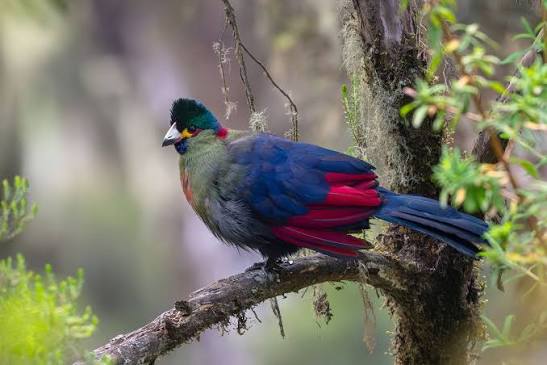
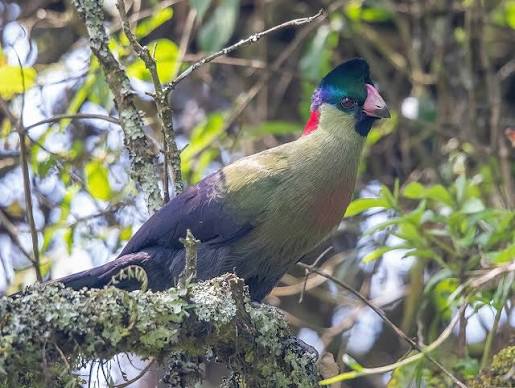
Fox's Weaver
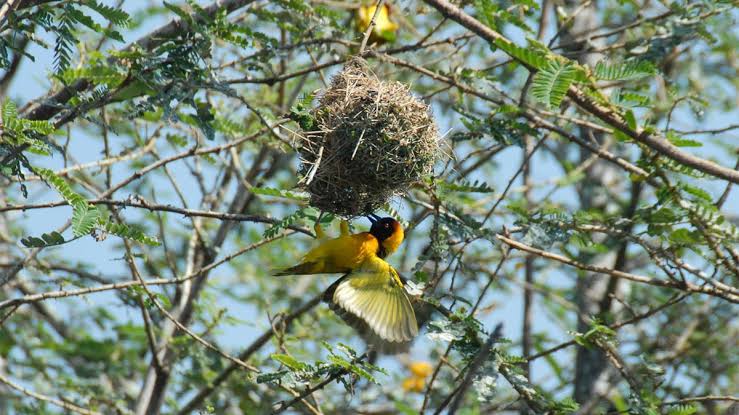
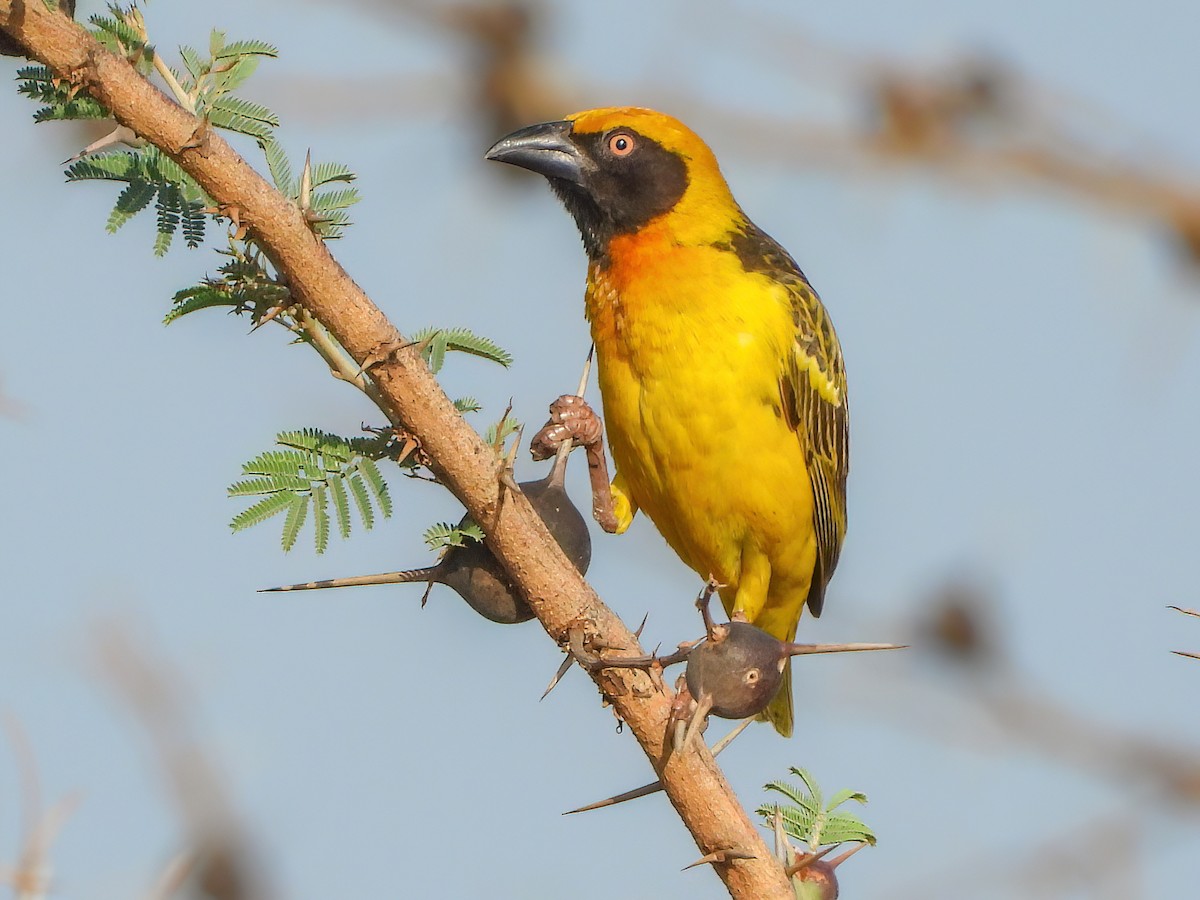
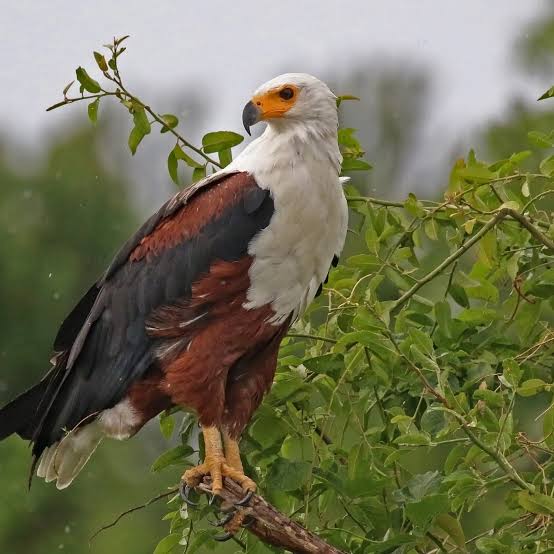
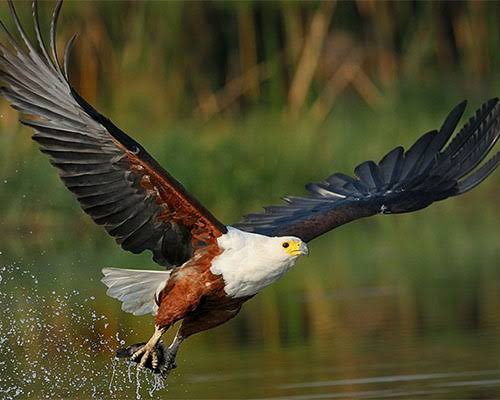
African Fish Eagle
Papyrus Gonolek
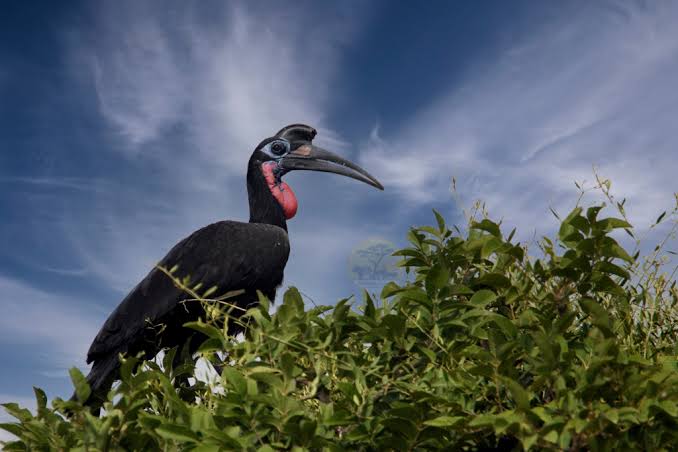
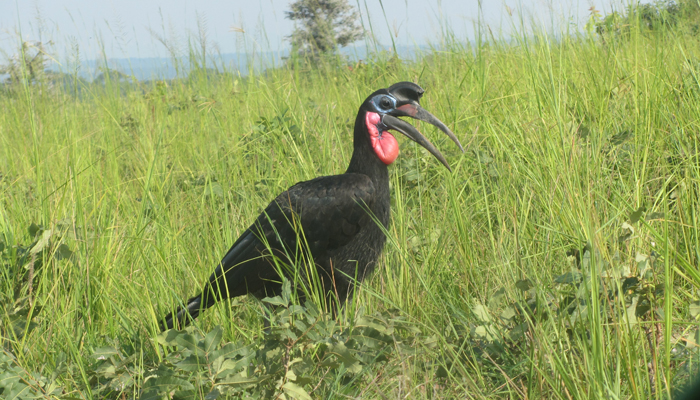
Abyssinian Ground Hornbill
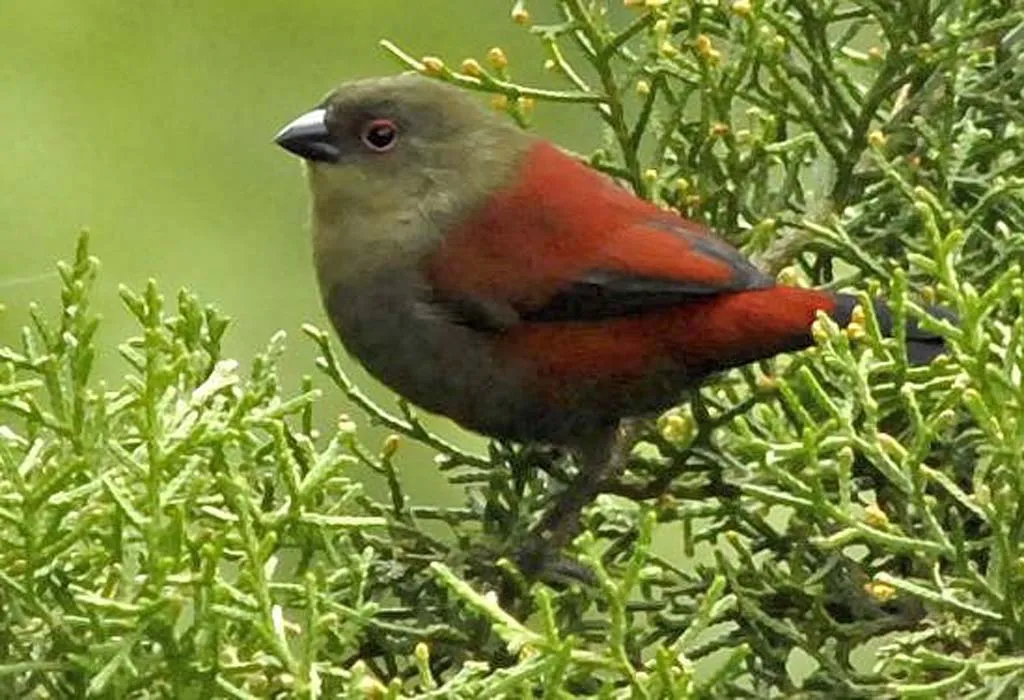
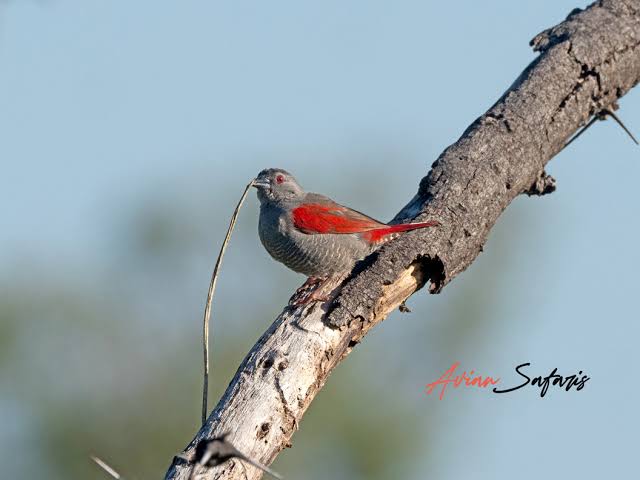
Shelley’s Crimsonwing
Best Time for Birding in Uganda
Birding in Uganda is rewarding throughout the year thanks to the country's favorable climate and incredible diversity of habitats. With forests, wetlands, savannahs, lakes, and mountain ecosystems spread across the country, birdwatchers can enjoy excellent sightings in every season. Whether you are searching for rare Albertine Rift endemics, iconic species like the Shoebill Stork, or migratory birds, Uganda offers outstanding birding opportunities year-round.
The dry seasons, which typically occur from December to February and June to September, are generally considered the best times for birding safaris. During these months, birding trails are easier to access, roads are in better condition, and outdoor activities can be enjoyed with minimal disruption from rainfall. The dry weather also provides excellent conditions for photography and allows travelers to easily combine birdwatching with gorilla trekking, chimpanzee tracking, wildlife safaris, and other nature-based experiences.
The wet seasons from March to May and October to November also offer unique advantages for birdwatchers. During these months, many bird species become more active as they enter their breeding season, displaying brighter plumage and engaging in courtship behaviors. The lush landscapes and increased food availability attract a wide variety of birds, while the lower number of tourists often creates a more peaceful birding experience.
Migratory birds arrive in Uganda between November and April, adding even more diversity to the country's already impressive bird list. This period provides opportunities to observe both resident and migratory species across wetlands, forests, and open grasslands. Birders hoping to see the famous Shoebill Stork can visit throughout the year, particularly in Mabamba Swamp and the Nile Delta of Murchison Falls National Park, where early morning excursions often provide the best chances of successful sightings.
Ultimately, there is no bad time for birding in Uganda. The dry seasons offer comfortable travel conditions and excellent visibility, while the wetter months provide vibrant landscapes, active birdlife, and rewarding opportunities to observe breeding and migratory species. Regardless of the season, Uganda remains one of Africa's most outstanding birdwatching destinations.
What to Expect During Birding in Uganda
A typical birding in Uganda experience begins early in the morning when bird activity is at its highest. Most birding excursions start shortly after sunrise, as this is the best time to observe birds feeding, calling, and moving through their natural habitats. Depending on the destination, birdwatchers may explore forest trails, wetlands, riverbanks, savannah grasslands, mountain slopes, or lakeshores while searching for both common and rare species.
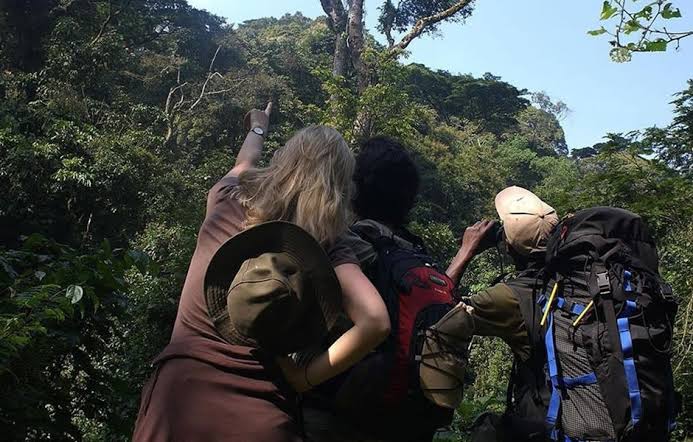
Guided birding walks are the most popular way to experience Uganda's rich birdlife. Professional bird guides use their extensive knowledge of bird calls, habitats, and behavior to help visitors locate species that might otherwise go unnoticed. Many of Uganda's top birding destinations, including Bwindi Impenetrable National Park, Kibale National Park, Mabamba Swamp, and Semuliki National Park, offer specialized birding guides who are familiar with the area's target species and seasonal movements.
Birdwatchers can expect a combination of walking safaris, boat excursions, and vehicle-based birding depending on the location. Wetland areas such as Mabamba Swamp are best explored by canoe, while destinations like Murchison Falls National Park and Queen Elizabeth National Park combine birdwatching with traditional wildlife game drives and boat cruises. Forest birding often involves walking through well-established trails while listening carefully for bird calls and movements within the vegetation.
One of the most exciting aspects of birding in Uganda is the possibility of encountering a wide range of wildlife alongside the birds. It is common to see monkeys, chimpanzees, elephants, buffaloes, antelopes, and other animals while birding in Uganda's national parks and conservation areas. This combination of birdwatching and wildlife viewing creates a more diverse and rewarding safari experience.
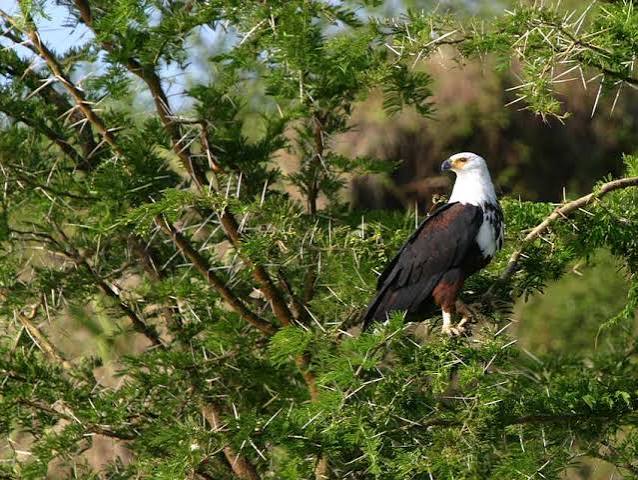
Photography opportunities are abundant throughout Uganda's birding destinations. From colorful turacos and kingfishers to majestic fish eagles and the iconic Shoebill Stork, bird photographers can capture an impressive variety of species in spectacular natural settings. Patience is often rewarded, particularly when searching for rare forest birds or photographing species in wetlands and along waterways.
Visitors should be prepared for varying terrain and weather conditions depending on the birding destination. Comfortable walking shoes, binoculars, a camera, neutral-colored clothing, a hat, and a field guide can significantly enhance the experience. While some birding sessions may last only a few hours, dedicated birdwatching safaris often involve full days in the field exploring multiple habitats in search of target species.
Whether you are an experienced birder building a life list or a first-time birdwatcher hoping to see Uganda's famous species, birding in Uganda offers a rewarding blend of discovery, wildlife encounters, beautiful scenery, and unforgettable moments in some of Africa's most biodiverse landscapes.
What to Pack for Birding in Uganda
Packing the right gear can make birding in Uganda more comfortable and rewarding. A good pair of binoculars is essential for spotting birds in forests, wetlands, and open savannahs, while a camera with a zoom lens is useful for photographing species such as the Shoebill Stork, Great Blue Turaco, and African Fish Eagle.
Wear neutral-colored clothing such as green, brown, or khaki to blend into the environment and avoid disturbing wildlife. Lightweight long-sleeved clothing, comfortable walking shoes or hiking boots, and a hat are recommended for protection from the sun, insects, and varying terrain.
Other useful items include sunscreen, insect repellent, a reusable water bottle, and a lightweight rain jacket, especially when visiting forested or mountainous areas. A bird field guide, birding app, or notebook can also help you identify and record the many species encountered during your birding safari in Uganda.
Combining Birding in Uganda with Other Safari Activities
One of the greatest advantages of birding in Uganda is the ability to combine birdwatching with a wide range of other wildlife and adventure experiences. Uganda's compact size and diverse attractions allow travelers to enjoy exceptional birding while exploring some of Africa's most famous primate, wildlife, and cultural destinations within a single itinerary.
Many visitors combine birding in Uganda with gorilla trekking in Bwindi Impenetrable National Park or Mgahinga Gorilla National Park. These forests not only offer unforgettable encounters with mountain gorillas but also provide excellent opportunities to observe Albertine Rift endemic bird species and numerous forest birds. Similarly, chimpanzee trekking in Kibale National Park can be paired with birdwatching, as the park supports over 375 bird species alongside its famous primate population.
Wildlife enthusiasts often add game drives in Queen Elizabeth National Park, Murchison Falls National Park, Kidepo Valley National Park, or Lake Mburo National Park to their birding itinerary. These parks allow visitors to enjoy sightings of lions, elephants, buffaloes, giraffes, antelopes, and other wildlife while continuing to observe a remarkable variety of bird species in different habitats.
Boat cruises also complement birding in Uganda exceptionally well. Popular excursions along the Kazinga Channel, the Nile River, Lake Mburo, and Mabamba Swamp provide excellent opportunities to observe water birds, kingfishers, herons, storks, fish eagles, and the iconic Shoebill Stork while enjoying Uganda's scenic waterways.
For travelers interested in culture and nature, birding can be combined with community visits, cultural encounters, nature walks, hiking experiences, and photography tours. This flexibility allows visitors to create a personalized safari that blends birdwatching with Uganda's diverse wildlife, landscapes, and cultural heritage, resulting in a richer and more rewarding travel experience.
Accommodation for bird watching safari in uganda.
Uganda offers a wide range of accommodation options for birdwatchers, from budget-friendly camps and guesthouses to comfortable mid-range lodges and luxury safari retreats located near the country's top birding destinations. Many lodges are strategically positioned close to national parks, wetlands, and forest reserves, allowing birders to access prime birding habitats early in the morning when bird activity is at its peak.
In Bwindi Impenetrable National Park, birders can stay at lodges such as Broadbill Forest Camp, Bakiga Lodge, Buhoma Community Rest Camp, and Mahogany Springs Lodge, all of which provide easy access to forest trails and Albertine Rift endemic bird species. Around Kibale National Park, popular options include Chimpanzee Forest Guesthouse, Kibale Forest Camp, Isunga Lodge, and Turaco Treetops Lodge, which offer excellent opportunities for both birdwatching and chimpanzee tracking.
Visitors exploring Murchison Falls National Park can choose from accommodations such as Red Chilli Rest Camp, Pakuba Safari Lodge, Murchison River Lodge, Paraa Safari Lodge, and Baker's Lodge, many of which are located near key birding areas along the Nile River and Delta. In Queen Elizabeth National Park, lodges such as Simba Safari Camp, Elephant Plains Lodge, Ihamba Lakeside Safari Lodge, and Mweya Safari Lodge provide convenient access to the park's diverse bird habitats and the wildlife-rich Kazinga Channel.
For birders searching for the Shoebill Stork in Mabamba Swamp, most visitors stay in Entebbe at accommodations including Papyrus Guest House, Airport Guesthouse, and Protea Hotel Entebbe before taking early morning excursions to the wetland. Whether you choose budget, mid-range, or luxury accommodation, staying close to major birding sites allows you to maximize your time in the field and enjoy the best of birding in Uganda.
Frequently Asked Questions About Birding in Uganda
Why is Uganda considered one of the best birding destinations in Africa?
How many bird species can be found in Uganda?
Where can I see the Shoebill Stork in Uganda?
What is the best time for birding in Uganda?
Which national park is best for birding in Uganda?
Can birding be combined with gorilla trekking and wildlife safaris?
What should I bring on a birding safari in Uganda?
Are birding safaris suitable for beginners?
How many days are recommended for birding in Uganda?
Gallery
Ready to plan this experience?
Get a tailored, no-obligation quote from our safari specialists.
Request a Quote