Gorilla Trekking in Bwindi Impenetrable Forest
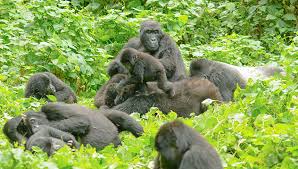
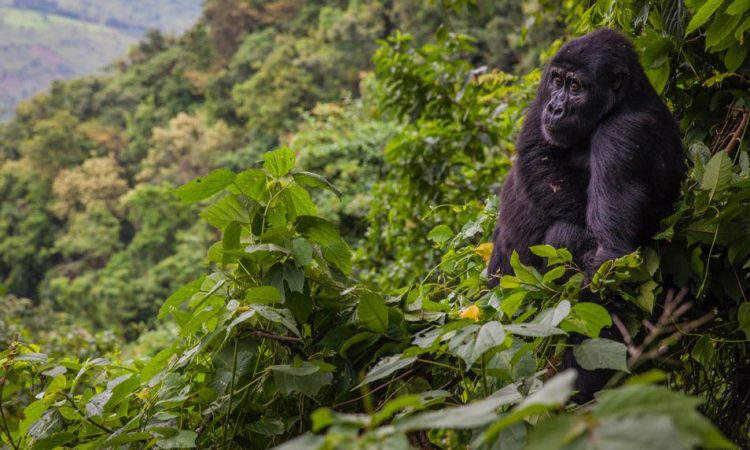
Experience the thrill of a lifetime by tracking endangered mountain gorillas in their natural habitat. Trek through the misty rainforests of Bwindi Impenetrable National Park or Mgahinga Gorilla National Park for an unforgettable encounter with these gentle giants. Uganda is home to over half of the world's remaining mountain gorillas.
Gorilla Trekking in Bwindi Impenetrable Forest
Gorilla
trekking in Bwindi Impenetrable Forest is the single most rewarding safari
activity you can do in Uganda, and for many travelers it is the entire reason
they come to East Africa in the first place. Tucked into the misty, ancient
hills of southwestern Uganda, Bwindi Impenetrable National Park is home to
roughly half of the world's remaining mountain gorillas, making gorilla
trekking in Bwindi the most reliable place on the planet to look a wild
mountain gorilla in the eyes.
The park
itself is a 321-square-kilometer tangle of ancient rainforest, one of the few
places on the continent where the ecosystem has remained largely untouched
since the last Ice Age. That age and density supports a remarkable variety of
life, from over 120 mammal species to more than 350 recorded bird species, and
it is also why every trek into this forest feels like stepping into a different
era entirely.
This guide
walks you through everything you need to plan gorilla trekking in Bwindi with
confidence: when to go, how much it costs, which trekking sector to choose,
what to pack, and where to stay before and after your trek.
What Is Gorilla Trekking in Bwindi Impenetrable Forest?
Gorilla
trekking in Bwindi is a guided forest hike led by Uganda Wildlife Authority
rangers, who track a habituated gorilla family through dense jungle until you
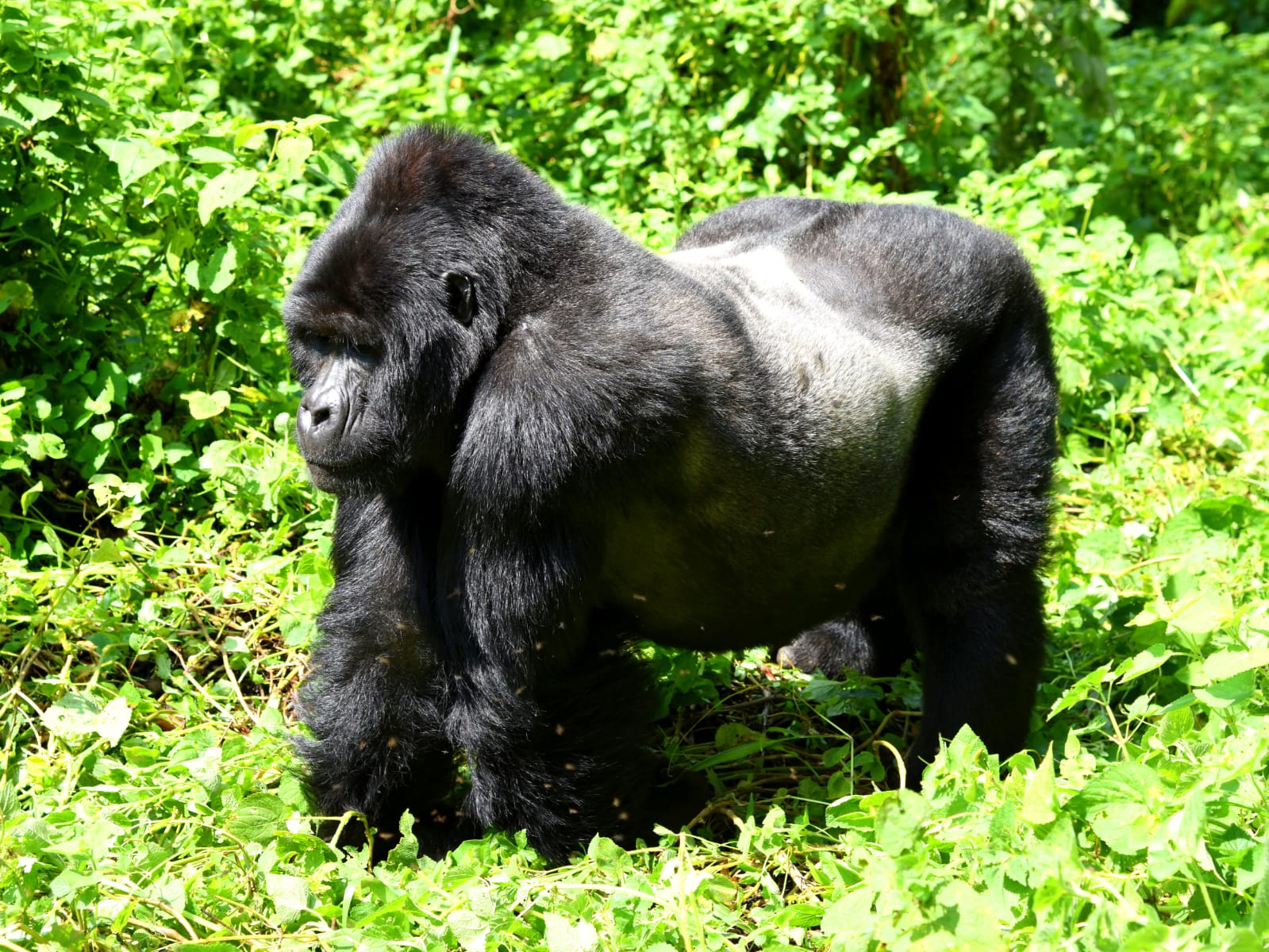
find them, then allow you exactly one hour in their presence. Bwindi
Impenetrable Forest, a UNESCO World Heritage Site, contains over 400 mountain
gorillas spread across more than a dozen habituated families, which is why
gorilla trekking in Bwindi consistently outperforms every other gorilla
destination in East Africa in terms of sighting success.
Unlike a game
drive, gorilla trekking in Bwindi is done entirely on foot, often on steep,
muddy, and densely vegetated terrain, which is exactly what gives the forest
its name. The reward, however, is unmatched: a close, quiet encounter with a
family of gorillas going about their daily routine, feeding, playing, and
resting, just a few meters from where you stand.
Revenue from
permits plays a direct role in protecting this population. A portion of every
permit fee funds anti-poaching patrols, veterinary monitoring of habituated
families, and community development projects in villages bordering the park,
which is part of why the mountain gorilla is one of the few great ape
populations in the world whose numbers are currently increasing rather than
declining.
Best Time for Gorilla Trekking in Bwindi
You can go
gorilla trekking in Bwindi all year round, since the forest is not a seasonal
destination the way savannah parks can be. That said, the two dry seasons, from
June to September and from December to February, offer the easiest trekking
conditions, with firmer trails and lower rainfall.
Travelers who
don't mind muddier trails and occasional showers often choose the wetter months
for gorilla trekking in Bwindi because permits are easier to secure on short
notice and the forest is noticeably greener and quieter of other tourists.
Temperatures
inside the forest stay fairly consistent year-round, typically ranging between
7°C at night and 20°C during the day, so packing layers matters more than
picking an exact month. Whichever season you choose, mornings start early, with
rangers briefing trekking groups at park headquarters between 7:00 and 7:30
a.m. before assigning each group to a specific gorilla family.
Gorilla Trekking Permits and Prices
A permit is
mandatory for gorilla trekking in Bwindi and must be booked in advance through
the Uganda Wildlife Authority or a licensed tour operator, since only a limited
number of permits are issued per gorilla family per day.
| Visitor Category | Permit Price 2026-27 | Notes |
|---|---|---|
| Foreign Resident | USD 800 | Standard rate, most international visitors |
| Foreign Resident | USD 700 | Requires valid Uganda work/resident permit |
| East African Citizen | UGX 300,000 | Kenya, Uganda, Rwanda, Tanzania, Burundi, South Sudan |
Because
permits for gorilla trekking in Bwindi sell out months in advance during peak
season, it's wise to book at least three to six months ahead, especially for
July, August, and December. Permits are typically booked through a licensed
tour operator, who handles payment, park registration, and confirmation with
the Uganda Wildlife Authority on your behalf, saving you from navigating the
booking system directly. Full payment is generally required at the time of
booking, and permits are non-transferable between individuals once issued.
Trekking Sectors for Gorilla Trekking in Bwindi
Buhoma Sector
Buhoma is located in the northern part of Bwindi and is the oldest gorilla trekking sector in the park. It was the first area opened for gorilla tourism and remains one of the most popular choices among visitors.
The sector is known for its well-developed tourism infrastructure, making it a convenient option for travelers combining gorilla trekking with a wildlife safari in Queen Elizabeth National Park. Trekking routes pass through mature rainforest, river valleys, and forest-covered hills. While some hikes can be challenging, many visitors find Buhoma suitable for moderate fitness levels.
Buhoma also offers additional activities such as nature walks, community tours, birdwatching, and cultural experiences, making it ideal for travelers planning to spend several days in the area.
Ruhija Sector
Ruhija is situated in eastern Bwindi and is famous for its beautiful mountain scenery and peaceful atmosphere. The sector generally receives fewer visitors than some other parts of the park, creating a quieter trekking experience.
The area sits at a higher altitude, resulting in cooler temperatures and impressive views across the forested landscape. Treks can involve steep sections, but the scenery often makes the effort worthwhile. Ruhija is also one of the best areas in Bwindi for birdwatching, attracting visitors interested in both gorillas and forest bird species.
Travelers looking for a less crowded gorilla trekking experience often choose Ruhija because of its tranquil environment and scenic trails.
Rushaga Sector
Rushaga is found in southern Bwindi and contains the largest number of habituated gorilla families in the park. Because of this, it usually offers the greatest availability of gorilla trekking permits, especially during peak travel seasons.
The sector features a mix of rolling hills, forested slopes, and open viewpoints overlooking the surrounding countryside. Trekking options vary from relatively easy hikes to more demanding walks depending on the assigned gorilla family.
Rushaga is also the only sector where visitors can participate in the Gorilla Habituation Experience, which allows more time with a gorilla group that is still undergoing the habituation process. This makes the sector particularly attractive to photographers and wildlife enthusiasts seeking a more immersive encounter.
Nkuringo Sector
Nkuringo is located in the southwestern corner of Bwindi and is known for its rugged terrain and spectacular scenery. The sector offers some of the most dramatic views in the park, including distant views of the Virunga Volcanoes on clear days.
Trekking in Nkuringo is often considered more demanding due to the steep hills and valleys that characterize the area. However, many visitors consider the scenery and sense of adventure well worth the effort.
The sector is popular with active travelers who enjoy challenging hikes and remote wilderness experiences. Its elevated location also provides excellent opportunities for photography and panoramic forest views.
Difficulty Levels and Fitness Requirements
The physical
demands of gorilla trekking in Bwindi vary widely from one outing to the next,
since rangers cannot predict exactly where a gorilla family will be on a given
day. Treks can last anywhere from thirty minutes to seven or eight hours round
trip, over steep, slippery, and uneven ground at altitudes between 1,160 and
2,607 meters.
A reasonable
level of fitness is recommended, but porters are available at a small fee to
carry bags and assist with balance on difficult sections, making the trek
accessible to most moderately fit travelers regardless of age. Hiring a porter
is also a direct, practical way to support the local community, since almost
all porters are recruited from villages bordering the park.
Travelers with
mobility concerns or chronic health conditions should mention this when
booking, since rangers can factor it into which gorilla family and sector
you're assigned; some families range closer to the trailhead than others on a
typical day, though this can never be guaranteed in advance.
What to Pack for Gorilla Trekking in Bwindi
Packing
correctly makes a real difference to comfort and safety during gorilla trekking
in Bwindi, since weather and trail conditions change quickly inside the forest.
| Item | Why You Need It |
|---|---|
| Waterproof hiking boots | Trails are frequently muddy and slippery |
| Waterproof rain jacket | Bwindi receives rain in most months |
| Long trousers and long-sleeved shirt | Protection from nettles, thorns, and safari ants |
| Gardening gloves | Grip on vegetation and thorny plants |
| Gaiters | Keep ants and mud out of boots |
| Daypack | Carries water, snacks, and camera gear |
| Insect repellent | Reduces bites from forest insects |
Rules and Etiquette During Gorilla Trekking in Bwindi
A strict set
of rules governs gorilla trekking in Bwindi to protect both visitors and the
gorillas themselves: keep a distance of at least seven meters from the
gorillas, speak in low voices, avoid direct eye contact with a silverback,
never eat or point at the gorillas, and stay in a group led by your ranger
guide at all times. Anyone with a cold, flu, or other communicable illness will
be asked not to trek, since gorillas can contract human respiratory diseases.
Flash
photography is not permitted, groups are capped at eight visitors per gorilla
family per day, and the one-hour visit limit is strictly enforced by the
accompanying ranger, regardless of how calm or approachable the gorillas seem
in the moment. These limits exist specifically to minimize stress on the
animals and reduce the risk of disease transmission between humans and
gorillas, who share about 98 percent of human DNA and are susceptible to many
of the same illnesses.
Where to Stay Near Bwindi Impenetrable National Park
Combining Gorilla Trekking in Bwindi with Other Uganda Safari Activities
Most travelers
pair gorilla trekking in Bwindi with a few days of game viewing at Queen
Elizabeth National Park, just a scenic three-hour drive away, or extend their
trip with chimpanzee tracking in Kibale Forest National Park. Many itineraries
also combine a Bwindi trek with the Kazinga Channel boat cruise or a stop in
Murchison Falls National Park for a fuller picture of what a Uganda safari has
to offer.
For travelers
with more time, it's also possible to continue on from Bwindi into Rwanda's
Volcanoes National Park for a second, different gorilla trekking experience, or
add a cultural visit to a nearby Batwa community to learn about the forest's
original inhabitants before it became a protected national park.
Frequently Asked Questions
How much does gorilla trekking in Bwindi cost?
A standard
permit costs USD 800 for foreign non-residents, USD 700 for foreign residents,
and UGX 300,000 for East African citizens, not including transport,
accommodation, or park entry fees.
How difficult is gorilla trekking in Bwindi?
Difficulty
ranges from moderate to strenuous depending on where the gorilla family is
located that day; treks can last from thirty minutes to over seven hours across
steep, muddy terrain.
What is the best sector for gorilla trekking in Bwindi?
Buhoma is the
most popular sector for first-time trekkers thanks to gentler terrain and more
lodge options, while Rushaga has the most permits and the Gorilla Habituation
Experience.
Can children go gorilla trekking in Bwindi?
The minimum
age for gorilla trekking is 15 years old, a rule enforced across all sectors to
protect the health of the gorillas.
Book Your Gorilla Trekking Adventure
Ready to experience gorilla trekking in Bwindi for yourself? Contact our team to secure your permit, choose the sector that fits your fitness level and schedule, and build a full Uganda safari itinerary around your trek. We handle permit booking, lodge reservations, transport, and park logistics from start to finish, so all that's left for you to do is show up and meet the gorilla
What to Bring
Gallery